
Britain backs 16 power storage projects as heatwave exposes grid strain
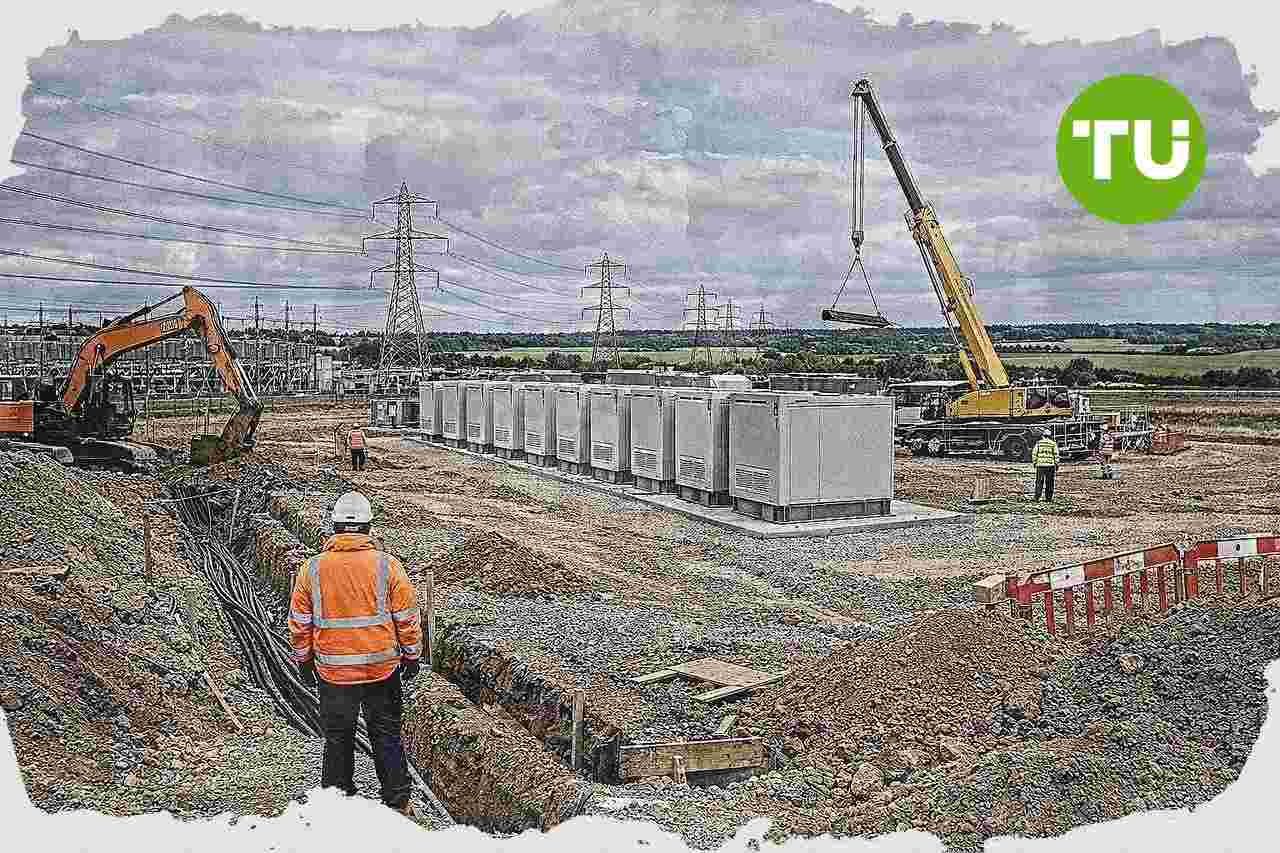
Britain is moving to strengthen electricity system resilience as hotter weather and a growing reliance on renewable generation test the balance between supply and demand. Provisional backing for 16 long-duration storage projects comes as grid operators seek extra power supplies during the heatwave and policymakers push for a faster shift to low-carbon power.
Highlights
- Ofgem provisionally approved revenue guarantee support for 16 storage projects totaling 7.6 GW, including SSE's Coire Glas hydropower and Storelectric's compressed air facility.
- Selected projects will operate under 'cap-and-floor' contracts, with final decisions expected in autumn following consultation, aiming for a broadly bill-neutral impact.
- The National Energy System Operator issued rare summer margin notices as heatwave conditions reduced generation efficiency and increased grid stress, with power bought from the continent at £1,379/MWh—15 times typical day-ahead rates.
Storage support plan and contract structure
As reported by Financial Times, Ofgem has provisionally approved revenue guarantee support for 16 large electricity storage projects, including SSE’s planned Coire Glas pumped hydropower site at Loch Lochy in Scotland and a compressed air storage plant proposed by Storelectric in north-east England.The regulator says it is minded to offer “cap-and-floor” contracts, under which projects receive revenue top-ups if wholesale power prices fall too low and return earnings above a set threshold. Ofgem says the mechanism is expected to be broadly neutral over time in direct bill terms, with final decisions due in the autumn after consultation.
The selected schemes include hydropower, compressed air, 11 lithium-ion batteries and one vanadium flow battery. Together they amount to 7.6 gigawatts of capacity, equivalent to about 6 per cent of the UK’s existing total electrical capacity, and are designed to discharge at full output for between eight and 32 hours depending on the project.
Akshay Kaul, Ofgem’s director-general for infrastructure, says the projects would help Britain maintain secure supply during periods of cold, hot, still or cloudy weather when solar or wind output is low.
Heatwave pressure and wider energy transition
Britain has been reshaping its power system over the past decade to reduce dependence on fossil fuels, and the government wants 95 per cent of generation to come from low-carbon sources by 2030, up from about 65 per cent now. That shift leaves the country more exposed to swings in solar and wind output and increases the need for technologies that can store electricity through night-time hours and weather changes.While Britain already has significant battery capacity for shorter bursts of supply, it has relatively limited ability to cover longer periods of system stress. The latest storage approvals aim to address that gap as the electricity network becomes more complex to manage.
The National Energy System Operator has issued an electricity margin notice for the second time this week, asking generators to provide extra supplies for Friday evening between 7pm and 10pm. A similar notice issued late on Tuesday for Wednesday night was later cancelled after the operator bought power from the continent for Wednesday evening at a cost of 1,379 pounds per megawatt-hour, around 15 times typical day-ahead rates.
Neso says the notices reflect a need for a greater safety cushion between supply and demand and do not signal imminent blackouts. But it is the first time such notices have been issued in summer, underscoring how heat is reducing the efficiency of gas plants and solar farms, while low wind speeds and stronger air-conditioning demand add pressure to the grid.
In our earlier article on US natural gas prices, we noted that hotter weather forecasts were boosting air-conditioning demand and increasing gas consumption in the power sector. We also highlighted how EIA storage injections and the supply-demand balance (including LNG feedgas and production trends) were shaping near-term price direction and resistance levels.


Latest UK News







-
 Afghanistan
-
 Albania
-
 Algeria
-
 Angola
-
 Argentina
-
 Armenia
-
 Australia
-
 Austria
-
 Azerbaijan
-
 Bahamas
-
 Bahrain
-
 Bangladesh
-
 Belarus
-
 Belgium
-
 Bolivia
-
 Botswana
-
 Brazil
-
 Brunei
-
 Bulgaria
-
 Cambodia
-
 Cameroon
-
 Canada
-
 Chile
Chile
-
 China
China
-
 Colombia
-
 Congo
Congo
-
 Costa Rica
-
 Cote d'Ivoire
-
 Croatia
-
 Cuba
Cuba
-
 Cyprus
-
 Czechia
-
 DR Congo
-
 Denmark
-
 Dominican Republic
-
 Ecuador
-
 Egypt
Egypt
-
 El Salvador
-
 Estonia
-
 Eswatini
-
 Ethiopia
-
 Finland
-
 France
-
 Georgia
-
 Germany
-
 Ghana
Ghana
-
 Greece
-
 Haiti
Haiti
-
 Hong Kong
-
 Hungary
-
 India
India
-
 Indonesia
-
 Iran, Islamic republic
-
 Iraq
Iraq
-
 Ireland
-
 Israel
-
 Italy
Italy
-
 Jamaica
-
 Japan
Japan
-
 Jordan
-
 Kazakhstan
-
 Kenya
Kenya
-
 Korea
Korea
-
 Kuwait
-
 Kyrgyzstan
-
 Laos
Laos
-
 Latvia
-
 Lebanon
-
 Lesotho
-
 Libya
Libya
-
 Lithuania
-
 Luxembourg
-
 Madagascar
-
 Malaysia
-
 Malta
Malta
-
 Mauritius
-
 Mexico
-
 Moldova
-
 Mongolia
-
 Montenegro
-
 Morocco
-
 Mozambique
-
 Myanmar
-
 Namibia
-
 Nepal
Nepal
-
 Netherlands
-
 New Zealand
-
 Nigeria
-
 North Macedonia
-
 Norway
-
 Oman
Oman
-
 Pakistan
-
 Palestine
-
 Panama
-
 Papua New Guinea
-
 Paraguay
-
 Peru
Peru
-
 Philippines
-
 Poland
-
 Portugal
-
 Puerto Rico
-
 Qatar
Qatar
-
 Reunion
-
 Romania
-
 Rwanda
-
 Saudi Arabia
-
 Serbia
-
 Singapore
-
 Slovakia
-
 Slovenia
-
 Somalia
-
 South Africa
-
 Spain
Spain
-
 Sri Lanka
-
 Sweden
-
 Switzerland
-
 Syria
Syria
-
 Taiwan
-
 Tajikistan
-
 Tanzania
-
 Thailand
-
 Trinidad and Tobago
-
 Tunisia
-
 Turkey
-
 UAE
UAE
-
 Uganda
-
 Ukraine
-
 United Kingdom
-
United States
-
 Uruguay
-
 Uzbekistan
-
 Venezuela
-
 Vietnam
-
 Yemen
Yemen
-
 Zambia
-
 Zimbabwe
- Forex
- Crypto











