House small business panel examines SBA investment office's role in capital access

The House Committee on Small Business is examining how the U.S. Small Business Administration's Office of Investment and Innovation supports small companies with research, funding and commercialization tools. The hearing centers on the agency's recent lending and investment activity, including record SBIC performance and efforts to direct more capital to manufacturers, rural areas and underserved communities.
Highlights
- Under SBA Administrator Kelly Loeffler, the SBIC program reached record performance, regulatory reforms, and bipartisan legislative successes, driving unprecedented private capital flow into small businesses.
- Rep. Dan Meuser highlighted $53 billion in private capital committed as the SBIC's largest sum in 67 years, with legislation like the Investing in All of America Act aiming to support rural, technology, and manufacturing sectors.
- SBA testimony stated 44% of the SBIC 2025 portfolio targets industrials with $3 billion deployed in manufacturing last year, as the agency expands national reach without loosening underwriting standards.
Hearing focus and program results
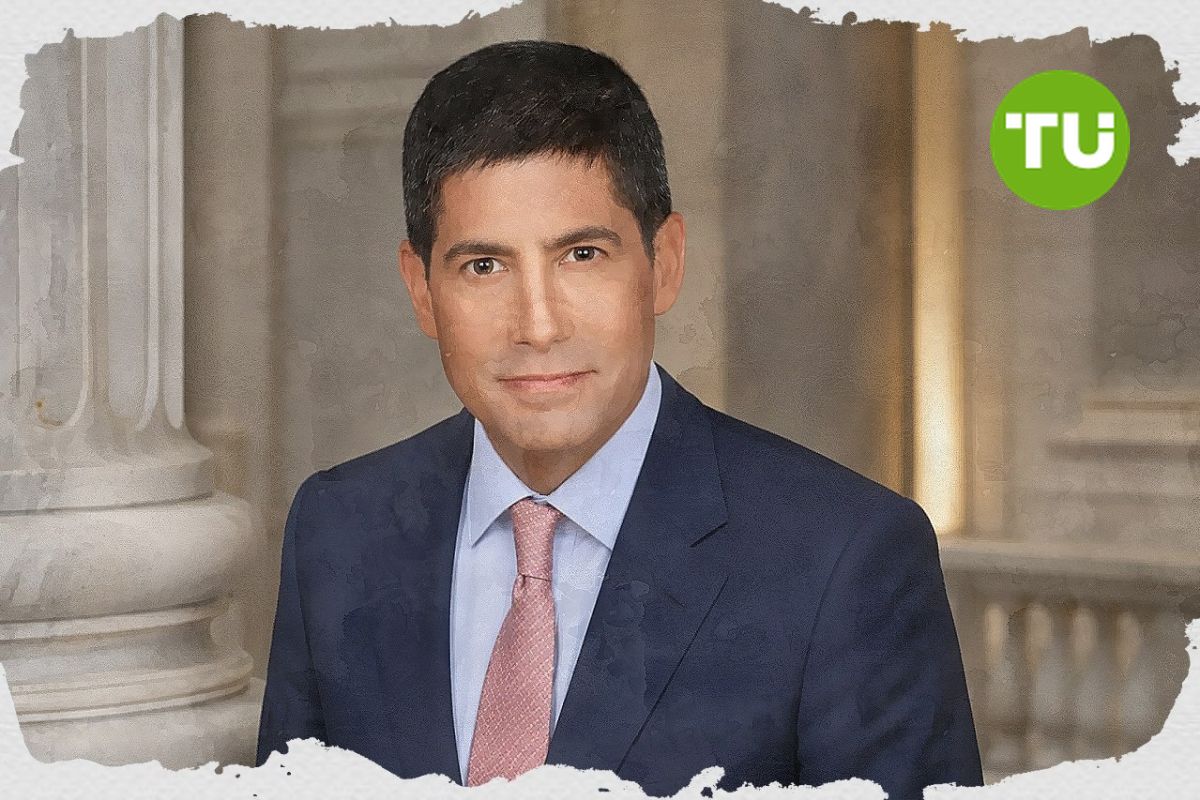
As reported by the House Committee on Small Business, Chairman Roger Williams held a hearing titled "From Startup to Scale: The Role of the SBA Office of Investment and Innovation in Powering America's Small Businesses" to review how the office links small businesses with capital and federally backed innovation support.Williams says the office has helped deliver historic results since SBA Administrator Kelly Loeffler took over last year, pointing to record SBIC performance, regulatory modernization and two bipartisan laws signed during that period. In the hearing, he says private capital is flowing into small businesses at a record pace under Loeffler's leadership.
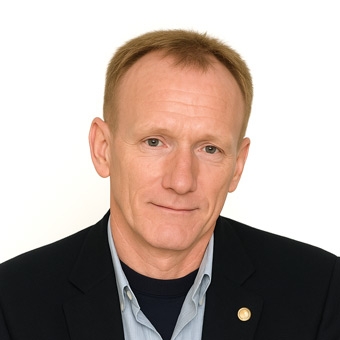
During testimony, Mr. Carter says the administration's priorities are centered on reindustrialization, supply-chain resilience and technology commercialization. He says about 44% of the SBIC portfolio in 2025 is in industrials, mainly manufacturing, and adds that the program saw $3 billion in that sector last year, including support for a cement wall manufacturer in Cleburne, Texas.
Capital distribution and regional reach
Lawmakers also focus on the scale of the SBIC program and whether recent legislation is broadening access beyond traditional coastal funding hubs. Rep. Dan Meuser cites $53 billion in combined private capital, which he describes as the largest amount in the program's 67-year history, and asks how the Investing in All of America Act is helping direct more support to rural areas, technology businesses and manufacturers.Carter says the measure strengthens the purchasing power of funds and creates incentives for investment in manufacturing, critical technologies and rural markets at a time when the U.S. is trying to rebuild industrial capacity. He argues the structure relies on professional investors to scale capital deployment rather than having the government select companies directly.
Rep. Mike Fuller raises the issue of underserved regions such as Appalachia, saying investment capital has too often remained concentrated on the East and West coasts. Carter responds that the SBA is expanding national reach without lowering underwriting standards, citing examples in Dalton, Georgia, and Torrance, California, and says the agency is working aggressively to increase the program's scale so more small businesses across the country can access funding.
Our earlier report on the sharp widening in the U.S. goods trade deficit outlined how a surge in imports and a drop in exports pushed the May gap well above expectations. We noted that businesses were pulling forward purchases amid Middle East-related supply and cost concerns, a shift that could weigh on second-quarter GDP after trade already dragged on growth in recent quarters.



Latest PulteGroup Inc News







-
 Afghanistan
-
 Albania
-
 Algeria
-
 Angola
-
 Argentina
-
 Armenia
-
 Australia
-
 Austria
-
 Azerbaijan
-
 Bahamas
-
 Bahrain
-
 Bangladesh
-
 Belarus
-
 Belgium
-
 Bolivia
-
 Botswana
-
 Brazil
-
 Brunei
-
 Bulgaria
-
 Cambodia
-
 Cameroon
-
 Canada
-
 Chile
Chile
-
 China
China
-
 Colombia
-
 Congo
Congo
-
 Costa Rica
-
 Cote d'Ivoire
-
 Croatia
-
 Cuba
Cuba
-
 Cyprus
-
 Czechia
-
 DR Congo
-
 Denmark
-
 Dominican Republic
-
 Ecuador
-
 Egypt
Egypt
-
 El Salvador
-
 Estonia
-
 Eswatini
-
 Ethiopia
-
 Finland
-
 France
-
 Georgia
-
 Germany
-
 Ghana
Ghana
-
 Greece
-
 Haiti
Haiti
-
 Hong Kong
-
 Hungary
-
 India
India
-
 Indonesia
-
 Iran, Islamic republic
-
 Iraq
Iraq
-
 Ireland
-
 Israel
-
 Italy
Italy
-
 Jamaica
-
 Japan
Japan
-
 Jordan
-
 Kazakhstan
-
 Kenya
Kenya
-
 Korea
Korea
-
 Kuwait
-
 Kyrgyzstan
-
 Laos
Laos
-
 Latvia
-
 Lebanon
-
 Lesotho
-
 Libya
Libya
-
 Lithuania
-
 Luxembourg
-
 Madagascar
-
 Malaysia
-
 Malta
Malta
-
 Mauritius
-
 Mexico
-
 Moldova
-
 Mongolia
-
 Montenegro
-
 Morocco
-
 Mozambique
-
 Myanmar
-
 Namibia
-
 Nepal
Nepal
-
 Netherlands
-
 New Zealand
-
 Nigeria
-
 North Macedonia
-
 Norway
-
 Oman
Oman
-
 Pakistan
-
 Palestine
-
 Panama
-
 Papua New Guinea
-
 Paraguay
-
 Peru
Peru
-
 Philippines
-
 Poland
-
 Portugal
-
 Puerto Rico
-
 Qatar
Qatar
-
 Reunion
-
 Romania
-
 Rwanda
-
 Saudi Arabia
-
 Serbia
-
 Singapore
-
 Slovakia
-
 Slovenia
-
 Somalia
-
 South Africa
-
 Spain
Spain
-
 Sri Lanka
-
 Sweden
-
 Switzerland
-
 Syria
Syria
-
 Taiwan
-
 Tajikistan
-
 Tanzania
-
 Thailand
-
 Trinidad and Tobago
-
 Tunisia
-
 Turkey
-
 UAE
UAE
-
 Uganda
-
 Ukraine
-
 United Kingdom
-
United States
-
 Uruguay
-
 Uzbekistan
-
 Venezuela
-
 Vietnam
-
 Yemen
Yemen
-
 Zambia
-
 Zimbabwe
- Forex
- Crypto











