
Geely's Lotus to begin Canada EV shipments in July under reduced-tariff import deal
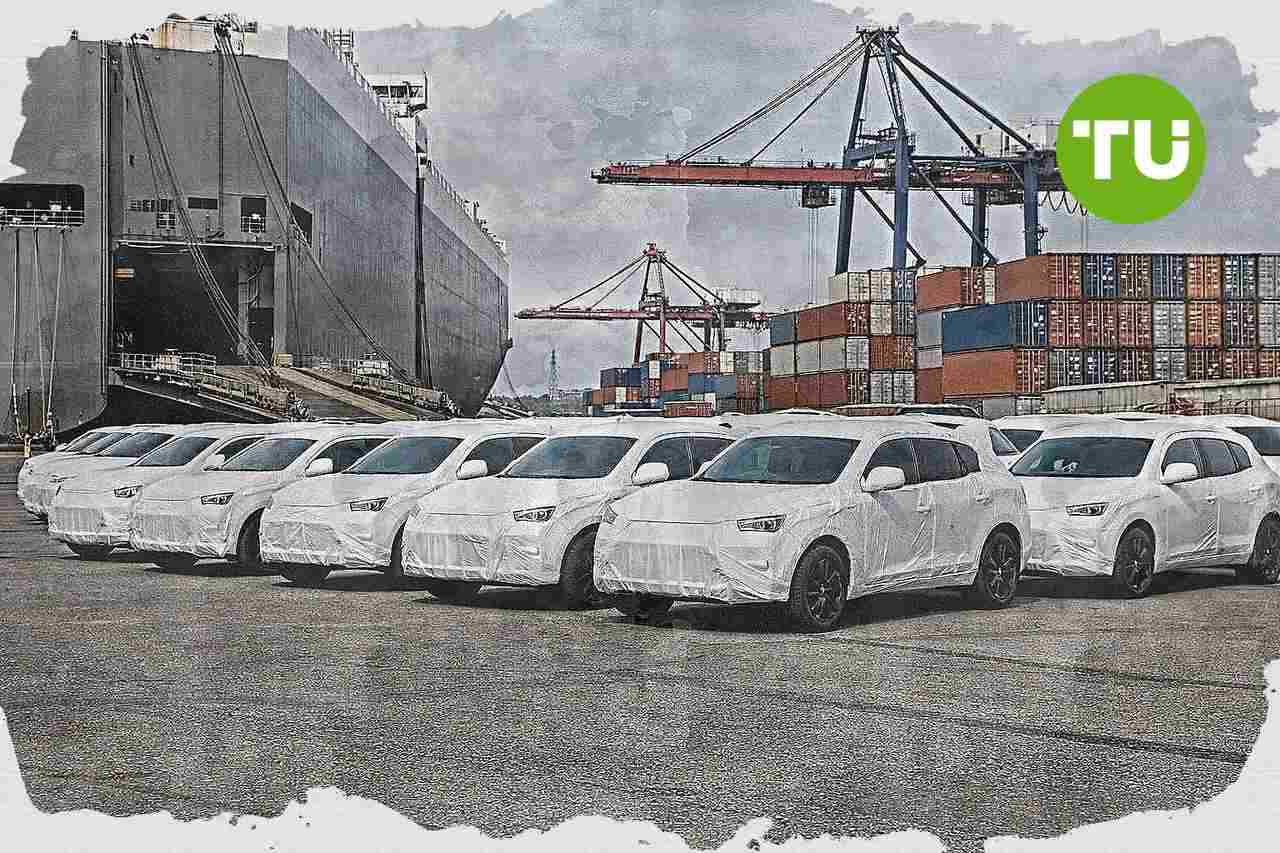
Canada is preparing to receive the first Chinese-owned and manufactured electric vehicles for sale under a new import arrangement aimed at broadening trade links beyond the U.S. The initial shipment involves Geely Holding Group's Lotus brand and is expected to arrive in Montreal next month.
Highlights
- Geely's Lotus will ship Chinese-made electric vehicles to Canada in July under a deal allowing up to 49,000 Chinese EVs per year at reduced tariffs.
- Other Chinese brands including BYD and Chery plan Canadian market entry later this year, with BYD likely starting sales next year as procedural requirements conclude.
- China increased Canadian exports by 27.5% since January, but key products like canola oil and pork still face high tariffs and some tariff relief expires year-end.
Import rollout under Canada-China EV agreement
As reported by Reuters, China's ambassador to Canada Wang Di says Geely Holding Group's Lotus electric vehicles will arrive in Canada in July under an agreement between Prime Minister Mark Carney and Chinese President Xi Jinping. Wang says a delivery ceremony is planned in Montreal when the vehicles arrive.The shipment marks the first sale of Chinese-owned and manufactured vehicles under a framework that allows up to 49,000 Chinese EVs to enter Canada each year at a reduced tariff rate. Lotus Cars does not immediately respond to a request for comment, and Canada's Global Affairs department does not immediately comment on the expected arrival.
Wang says other Chinese brands, including Chery and BYD, are working with Canadian government agencies to complete the required procedures before shipping vehicles to Canada. He adds that some cars have already arrived earlier for testing in Canadian conditions, and says he hopes other Chinese EV brands complete the process and enter the Canadian market in the autumn.
BYD Executive Vice President Stella Li recently tells Reuters that the company will likely start sales next year. U.S.-based Tesla has already imported Chinese-made vehicles into Canada.
Trade ambitions and supply chain implications
Canada is also seeking joint ventures and investment across its EV supply chain. Wang says Chinese EV makers are interested in setting up joint ventures, but are first focusing on building sales and assessing market demand.Carney's decision to allow Chinese EV imports faces criticism from some U.S. officials and lawmakers as his government works to diversify trade away from the United States. During his January visit to China, Carney also says Canada will seek to raise its exports to China by 50% by 2030.
Wang says last month that exports could increase by 100%, adding that Canadian exports have already risen 27.5% in the five months since Carney's visit. He also says Canada could supply nearly 22 million metric tons of crude oil to China each year, up from 15.5 million tons last year, and points to potential for Chinese purchases of Canadian liquefied natural gas, canola, peas and beef.
Tariff uncertainty remains for Canadian exporters. China cuts tariffs in March on some Canadian products but leaves duties on canola oil at 100% and pork at 25%, while relief on products including canola meal, peas and lobster is due to expire at the end of the year.
Our earlier article on the U.S. FCC import ban on Chinese telecom and surveillance equipment explained how Washington broadened national-security restrictions on firms including Huawei and ZTE. We noted that the move would raise regulatory barriers for Chinese manufacturers and add further pressure on supply chains linked to China, underscoring the wider trend toward geoeconomic fragmentation.













-
 Afghanistan
-
 Albania
-
 Algeria
-
 Angola
-
 Argentina
-
 Armenia
-
 Australia
-
 Austria
-
 Azerbaijan
-
 Bahamas
-
 Bahrain
-
 Bangladesh
-
 Belarus
-
 Belgium
-
 Bolivia
-
 Botswana
-
 Brazil
-
 Brunei
-
 Bulgaria
-
 Cambodia
-
 Cameroon
-
 Canada
-
 Chile
Chile
-
 China
China
-
 Colombia
-
 Congo
Congo
-
 Costa Rica
-
 Cote d'Ivoire
-
 Croatia
-
 Cuba
Cuba
-
 Cyprus
-
 Czechia
-
 DR Congo
-
 Denmark
-
 Dominican Republic
-
 Ecuador
-
 Egypt
Egypt
-
 El Salvador
-
 Estonia
-
 Eswatini
-
 Ethiopia
-
 Finland
-
 France
-
 Georgia
-
 Germany
-
 Ghana
Ghana
-
 Greece
-
 Haiti
Haiti
-
 Hong Kong
-
 Hungary
-
 India
India
-
 Indonesia
-
 Iran, Islamic republic
-
 Iraq
Iraq
-
 Ireland
-
 Israel
-
 Italy
Italy
-
 Jamaica
-
 Japan
Japan
-
 Jordan
-
 Kazakhstan
-
 Kenya
Kenya
-
 Korea
Korea
-
 Kuwait
-
 Kyrgyzstan
-
 Laos
Laos
-
 Latvia
-
 Lebanon
-
 Lesotho
-
 Libya
Libya
-
 Lithuania
-
 Luxembourg
-
 Madagascar
-
 Malaysia
-
 Malta
Malta
-
 Mauritius
-
 Mexico
-
 Moldova
-
 Mongolia
-
 Montenegro
-
 Morocco
-
 Mozambique
-
 Myanmar
-
 Namibia
-
 Nepal
Nepal
-
 Netherlands
-
 New Zealand
-
 Nigeria
-
 North Macedonia
-
 Norway
-
 Oman
Oman
-
 Pakistan
-
 Palestine
-
 Panama
-
 Papua New Guinea
-
 Paraguay
-
 Peru
Peru
-
 Philippines
-
 Poland
-
 Portugal
-
 Puerto Rico
-
 Qatar
Qatar
-
 Reunion
-
 Romania
-
 Rwanda
-
 Saudi Arabia
-
 Serbia
-
 Singapore
-
 Slovakia
-
 Slovenia
-
 Somalia
-
 South Africa
-
 Spain
Spain
-
 Sri Lanka
-
 Sweden
-
 Switzerland
-
 Syria
Syria
-
 Taiwan
-
 Tajikistan
-
 Tanzania
-
 Thailand
-
 Trinidad and Tobago
-
 Tunisia
-
 Turkey
-
 UAE
UAE
-
 Uganda
-
 Ukraine
-
 United Kingdom
-
United States
-
 Uruguay
-
 Uzbekistan
-
 Venezuela
-
 Vietnam
-
 Yemen
Yemen
-
 Zambia
-
 Zimbabwe
- Forex
- Crypto











