

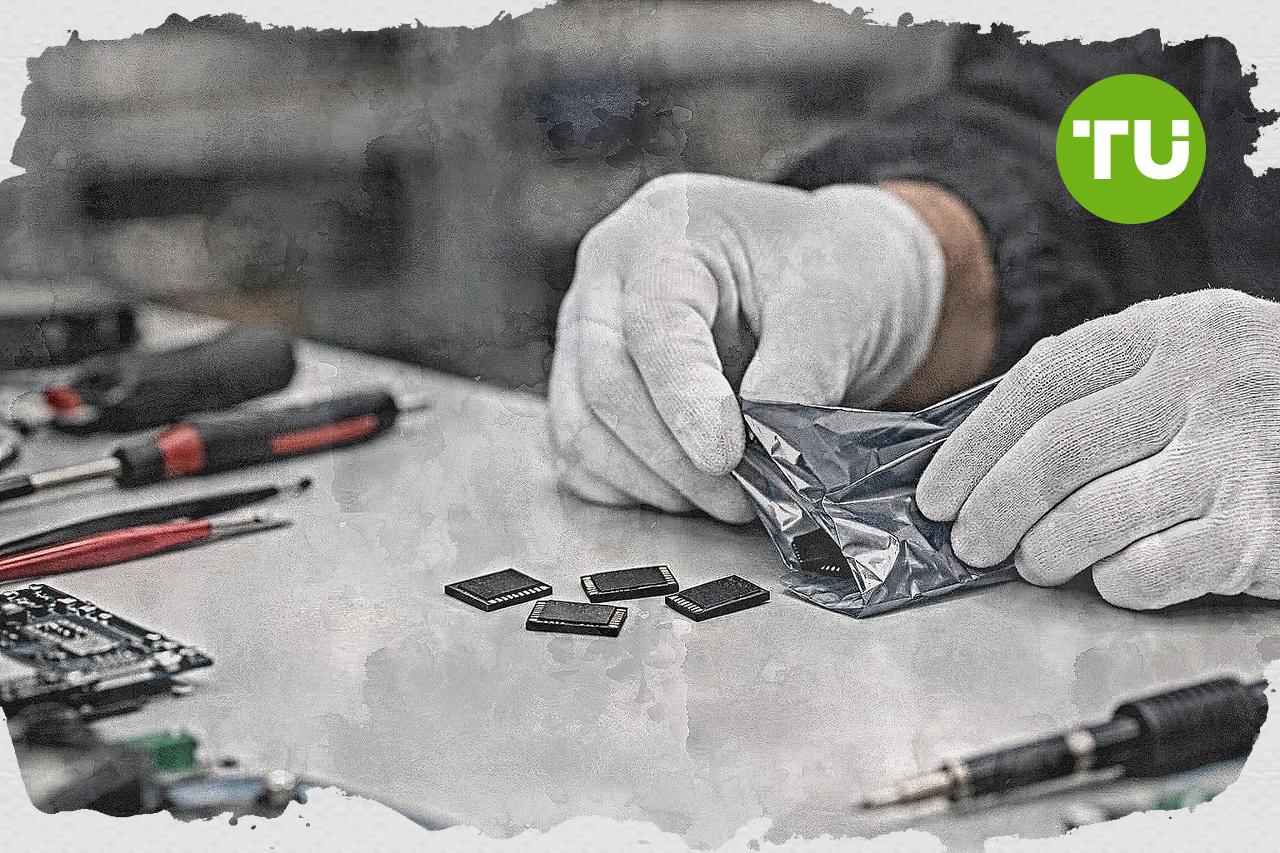
Rising memory chip prices are pushing Apple to look for new supply options as pressure builds on margins and consumer device pricing. The company is seeking Trump administration clearance to buy from Chinese chipmaker CXMT, whose Pentagon blacklist status adds political and national security risk to any deal.
Highlights
- Apple is lobbying the Trump administration for approval to purchase memory chips from China's CXMT amid rising DRam prices and supply shortages.
- Apple's move follows price increases on MacBooks and iPads that triggered a $263 billion market value decline, citing unsustainable memory costs as a key driver.
- Ongoing U.S.–China trade policy uncertainty and Congressional opposition intensify political and reputational risks, while CXMT gains Shanghai listing approval to challenge established memory suppliers.
Lobbying drive targets chip supply relief
As first reported by the Financial Times, Apple is lobbying the Trump administration for support to purchase memory chips from CXMT, a Chinese manufacturer that the Pentagon has placed on its Chinese Military Company blacklist over alleged links to the People’s Liberation Army.People familiar with the matter say Apple approached the Commerce Department more than a month ago and has also engaged other administration officials and allies in Washington. Apple is not legally barred from buying chips from CXMT or from YMTC, another Chinese memory producer on the same Pentagon list, but the designation creates reputational and political risk even where it does not automatically trigger legal restrictions.
The effort follows Apple’s decision on Thursday to raise prices for MacBooks and iPads, a move that erased $263 billion from its market value in its second-largest one-day drop. Apple has pointed to unsustainable memory costs, and securing CXMT as a supplier would help reduce dependence on existing vendors as tighter DRam supply pushes up prices.
Trade policy and industry implications intensify scrutiny
The lobbying campaign comes after President Donald Trump met Chinese President Xi Jinping in Beijing and during a period when Washington has held back from introducing new technology export controls that could hit Chinese groups. The Commerce Department last year prepared to place CXMT on the Entity List, a trade blacklist with stronger legal consequences, but the White House told officials to pause new controls while trade and rare earth negotiations with China were under way.Even so, several people familiar with the matter say it remains unclear whether Apple can obtain any assurance that CXMT will avoid future U.S. restrictions. The uncertainty is heightened by the Pentagon’s February update to the 1260H list, which was withdrawn within an hour and then reissued this month with both CXMT and YMTC reinstated after internal disagreement over their removal.
Any administration backing for Apple’s purchases would likely face a strong reaction from Congress. Apple already faced criticism in 2022 when it considered sourcing YMTC memory chips for China-sold iPhones, and security analysts now argue that approving reliance on a Chinese memory champion would cut against broader U.S. efforts to reduce dependence on China in critical technologies.
Outside China, the memory market is concentrated among Micron, Samsung and SK Hynix, which currently supply Apple’s DRam. CXMT has won regulatory approval for a Shanghai listing as it tries to challenge those incumbents, while an AI-driven boom in advanced memory demand has tightened supplies of traditional memory used in consumer electronics. Apple declined to comment, and the White House did not respond to a request for comment.
In our earlier article, we covered Apple’s broad product price increases as the company sought to offset surging memory and storage chip costs amid a global supply squeeze. We also noted that the move came alongside strong quarterly results and stepped-up shareholder returns, while AAPL’s technical picture remained pressured despite an oversold bounce.






Latest Kuna News





-
 Afghanistan
-
 Albania
-
 Algeria
-
 Angola
-
 Argentina
-
 Armenia
-
 Australia
-
 Austria
-
 Azerbaijan
-
 Bahamas
-
 Bahrain
-
 Bangladesh
-
 Belarus
-
 Belgium
-
 Bolivia
-
 Botswana
-
 Brazil
-
 Brunei
-
 Bulgaria
-
 Cambodia
-
 Cameroon
-
 Canada
-
 Chile
-
 China
-
 Colombia
-
 Congo
-
 Costa Rica
-
 Cote d'Ivoire
-
 Croatia
-
 Cuba
-
 Cyprus
-
 Czechia
-
 DR Congo
-
 Denmark
-
 Dominican Republic
-
 Ecuador
-
 Egypt
-
 El Salvador
-
 Estonia
-
 Eswatini
-
 Ethiopia
-
 Finland
-
 France
-
 Georgia
-
 Germany
-
 Ghana
-
 Greece
-
 Haiti
-
 Hong Kong
-
 Hungary
-
 India
-
 Indonesia
-
 Iran, Islamic republic
-
 Iraq
-
 Ireland
-
 Israel
-
 Italy
-
 Jamaica
-
 Japan
-
 Jordan
-
 Kazakhstan
-
 Kenya
-
 Korea
-
 Kuwait
-
 Kyrgyzstan
-
 Laos
-
 Latvia
-
 Lebanon
-
 Lesotho
-
 Libya
-
 Lithuania
-
 Luxembourg
-
 Madagascar
-
 Malaysia
-
 Malta
-
 Mauritius
-
 Mexico
-
 Moldova
-
 Mongolia
-
 Montenegro
-
 Morocco
-
 Mozambique
-
 Myanmar
-
 Namibia
-
 Nepal
-
 Netherlands
-
 New Zealand
-
 Nigeria
-
 North Macedonia
-
 Norway
-
 Oman
-
 Pakistan
-
 Palestine
-
 Panama
-
 Papua New Guinea
-
 Paraguay
-
 Peru
-
 Philippines
-
 Poland
-
 Portugal
-
 Puerto Rico
-
 Qatar
-
 Reunion
-
 Romania
-
 Rwanda
-
 Saudi Arabia
-
 Serbia
-
 Singapore
-
 Slovakia
-
 Slovenia
-
 Somalia
-
 South Africa
-
 Spain
-
 Sri Lanka
-
 Sweden
-
 Switzerland
-
 Syria
-
 Taiwan
-
 Tajikistan
-
 Tanzania
-
 Thailand
-
 Trinidad and Tobago
-
 Tunisia
-
 Turkey
-
 UAE
-
 Uganda
-
 Ukraine
-
 United Kingdom
-
United States
-
 Uruguay
-
 Uzbekistan
-
 Venezuela
-
 Vietnam
-
 Yemen
-
 Zambia
-
 Zimbabwe
- Forex
- Crypto












