
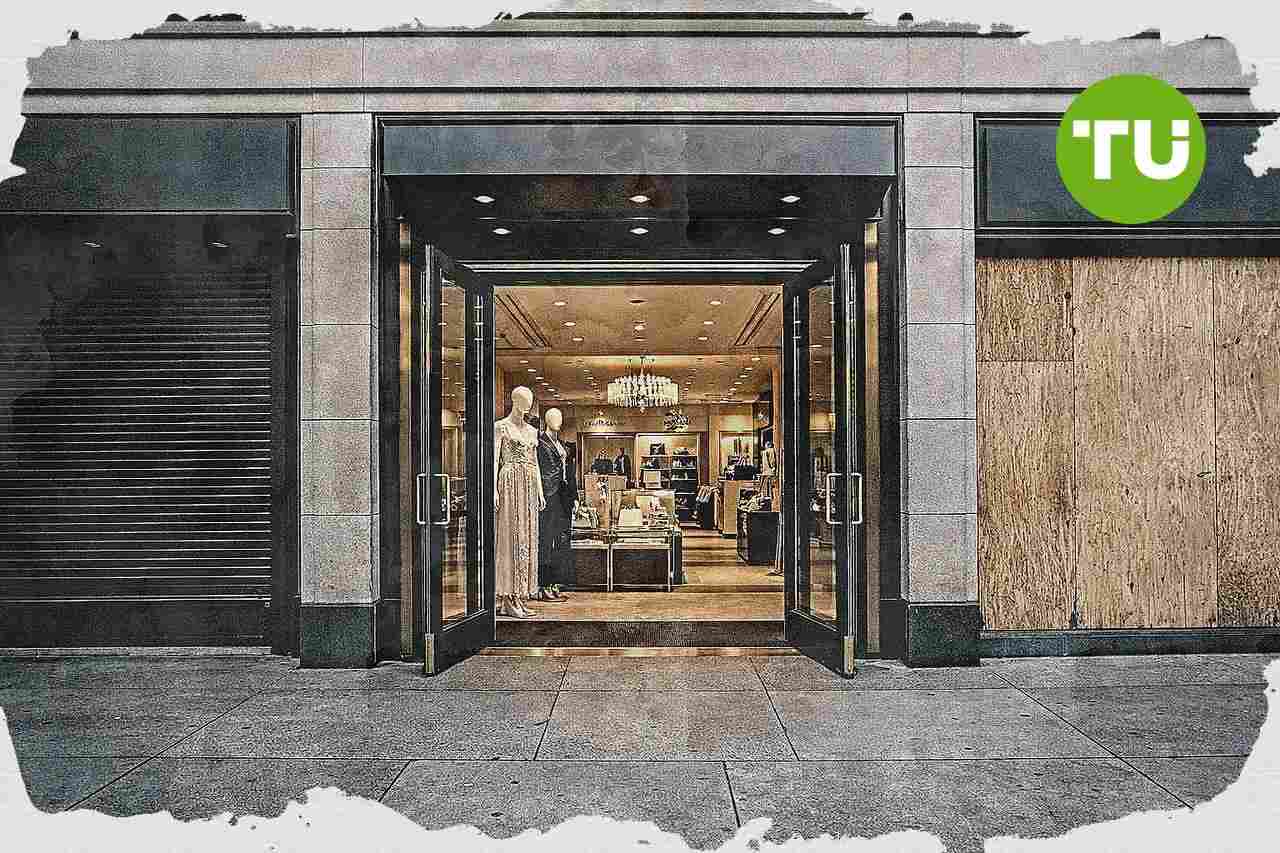
After emerging from Chapter 11 last week, Saks Global is narrowing its footprint and refocusing on premium luxury retail as it tries to stabilize operations. The restructured company, now renamed Exemplar Luxury Group, is also seeking to rebuild customer demand in a strained U.S. luxury market while pursuing growth targets for fiscal years 2027 through 2030.
Highlights
- Saks Global reduced its debt by 75% to about $1.2 billion and cut its store network by more than half after exiting Chapter 11 bankruptcy.
- The company targets a 7% compound annual revenue growth rate between fiscal years 2027 and 2030 by focusing on high-end luxury, shifting away from off-price retail.
- Concession and consignment agreements are increasing, favoring larger brands with more capital and putting smaller vendors at a disadvantage as wholesale grows to over 75% of Saks' business.
Restructuring plan centers on premium stores
Saks Global, as reported by Reuters, says it is on stronger financial footing after cutting its store network by more than half and largely stepping away from off-price stores. The company filed for Chapter 11 bankruptcy in January after vendor payment delays and months of withheld inventory, and it exited the process with its debt reduced by 75% to about $1.2 billion.The retailer was created through a debt-fueled 2024 merger bringing together Saks Fifth Avenue, Neiman Marcus and Bergdorf Goodman, three longstanding names in U.S. luxury fashion. Saks says the streamlined strategy should support a compound annual revenue growth rate of 7% between fiscal years 2027 and 2030, but that plan depends on drawing shoppers back to the chain.
Mark Cohen, former director of retail studies at Columbia Business School, says that remains uncertain because major luxury houses such as Chanel and Louis Vuitton often direct their strongest products to their own stores, especially during periods of instability at wholesale partners. He also says rivals Bloomingdale's and Nordstrom have moved to capture business during Saks' troubles.
Vendor tensions persist across the luxury sector
Saks' biggest luxury suppliers secured exclusive payouts for pre-bankruptcy claims during the court process, while many smaller brands have limited options for recovery, according to four people with direct knowledge of the payments. The company says nearly half of the vendors offered recovery on pre-petition claims were small and independent designers and brands.Gary Wassner, chief executive of factoring firm Hilldun, says high-end designer and luxury is the segment the group understands best, and Jonathan Saven, chief executive of L'Agence, says he trusts the new management team. Still, some smaller vendors remain exposed, including one supplier owed at least $20,000 in unpaid invoices who says he has not recovered any pre-bankruptcy claims and no longer expects repayment.
Court filings show Saks is keeping hundreds of concession and consignment agreements that allow brands to lease store space or retain control of goods until sale. More brands are now seeking those arrangements, according to three sources familiar with vendors' plans, although Saks says wholesale accounts for 75% of its business and will make up an even larger share of revenue going forward.
That model could sharpen pressure on smaller and emerging labels because concession and consignment structures tend to favor brands with deeper capital resources. Thomai Serdari, a luxury brand strategist and marketing professor at New York University's Stern School of Business, says the system is not fair because it advantages better-funded brands.
Our earlier article on Kohl’s turnaround described how the retailer is trying to regain relevance by refocusing on its core middle-income customer with proprietary brands, traditional promotions, and a more dependable in-store assortment. It also noted that while recent results and the stock rebound suggest stabilization, Kohl’s still faces intense competition and must prove it can turn early momentum into sustained growth.


Latest Retail Sales News







-
 Afghanistan
-
 Albania
-
 Algeria
-
 Angola
-
 Argentina
-
 Armenia
-
 Australia
-
 Austria
-
 Azerbaijan
-
 Bahamas
-
 Bahrain
-
 Bangladesh
-
 Belarus
-
 Belgium
-
 Bolivia
-
 Botswana
-
 Brazil
-
 Brunei
-
 Bulgaria
-
 Cambodia
-
 Cameroon
-
 Canada
-
 Chile
Chile
-
 China
China
-
 Colombia
-
 Congo
Congo
-
 Costa Rica
-
 Cote d'Ivoire
-
 Croatia
-
 Cuba
Cuba
-
 Cyprus
-
 Czechia
-
 DR Congo
-
 Denmark
-
 Dominican Republic
-
 Ecuador
-
 Egypt
Egypt
-
 El Salvador
-
 Estonia
-
 Eswatini
-
 Ethiopia
-
 Finland
-
 France
-
 Georgia
-
 Germany
-
 Ghana
Ghana
-
 Greece
-
 Haiti
Haiti
-
 Hong Kong
-
 Hungary
-
 India
India
-
 Indonesia
-
 Iran, Islamic republic
-
 Iraq
Iraq
-
 Ireland
-
 Israel
-
 Italy
Italy
-
 Jamaica
-
 Japan
Japan
-
 Jordan
-
 Kazakhstan
-
 Kenya
Kenya
-
 Korea
Korea
-
 Kuwait
-
 Kyrgyzstan
-
 Laos
Laos
-
 Latvia
-
 Lebanon
-
 Lesotho
-
 Libya
Libya
-
 Lithuania
-
 Luxembourg
-
 Madagascar
-
 Malaysia
-
 Malta
Malta
-
 Mauritius
-
 Mexico
-
 Moldova
-
 Mongolia
-
 Montenegro
-
 Morocco
-
 Mozambique
-
 Myanmar
-
 Namibia
-
 Nepal
Nepal
-
 Netherlands
-
 New Zealand
-
 Nigeria
-
 North Macedonia
-
 Norway
-
 Oman
Oman
-
 Pakistan
-
 Palestine
-
 Panama
-
 Papua New Guinea
-
 Paraguay
-
 Peru
Peru
-
 Philippines
-
 Poland
-
 Portugal
-
 Puerto Rico
-
 Qatar
Qatar
-
 Reunion
-
 Romania
-
 Rwanda
-
 Saudi Arabia
-
 Serbia
-
 Singapore
-
 Slovakia
-
 Slovenia
-
 Somalia
-
 South Africa
-
 Spain
Spain
-
 Sri Lanka
-
 Sweden
-
 Switzerland
-
 Syria
Syria
-
 Taiwan
-
 Tajikistan
-
 Tanzania
-
 Thailand
-
 Trinidad and Tobago
-
 Tunisia
-
 Turkey
-
 UAE
UAE
-
 Uganda
-
 Ukraine
-
 United Kingdom
-
United States
-
 Uruguay
-
 Uzbekistan
-
 Venezuela
-
 Vietnam
-
 Yemen
Yemen
-
 Zambia
-
 Zimbabwe
- Forex
- Crypto












