UK defence plan allocates £5bn for drones as funding debate persists
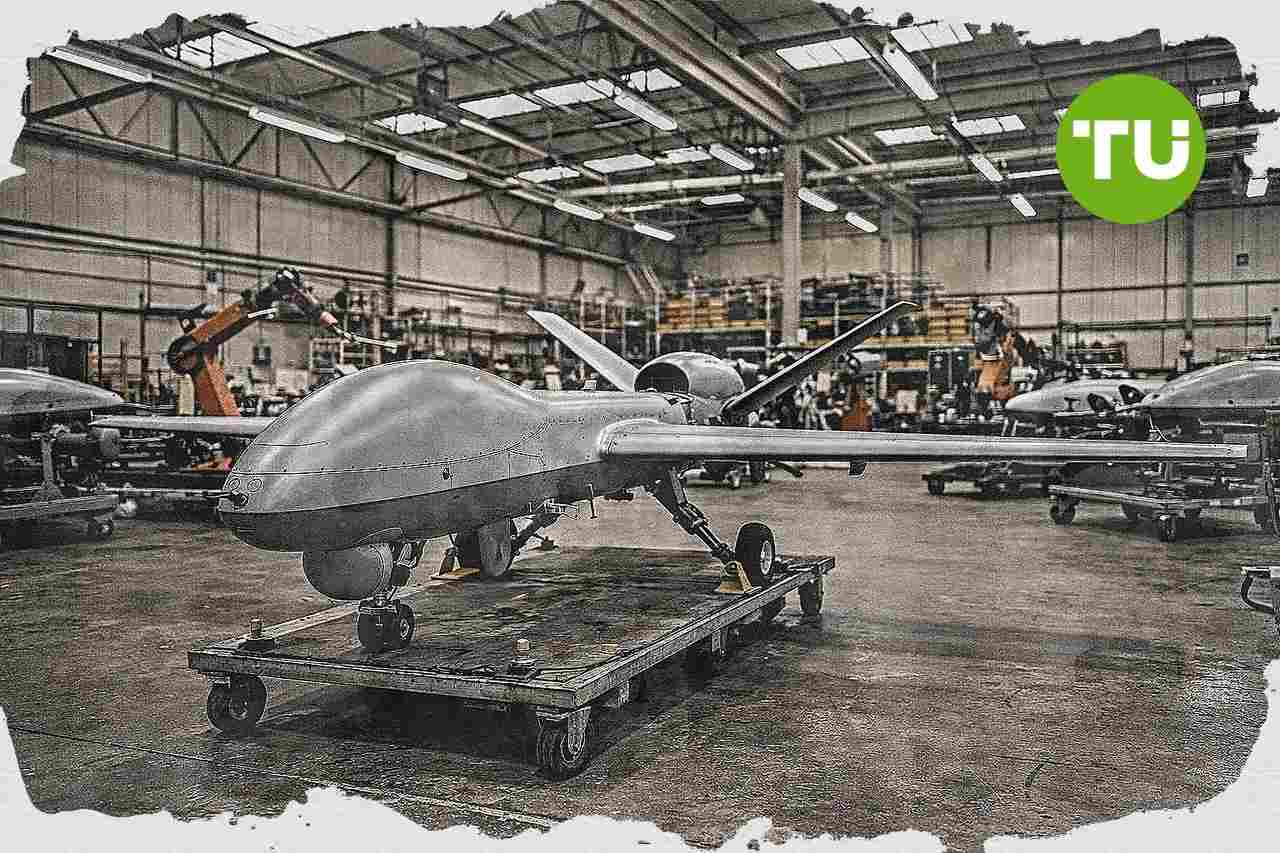
Britain is preparing to publish a delayed defence investment plan that sets aside £5bn for drones and other uncrewed systems amid pressure to modernise military capabilities. The package is expected to lift defence spending by about £14.5bn, but current and former senior officers warn it may still leave existing budgets under strain.
Highlights
- UK defence plan increases total spending package to £14.5bn, adding £1bn after John Healey's resignation and allocating £5bn specifically for drones and uncrewed systems.
- The £5bn drone allocation is £1bn higher than the previous four-year strategic defence review, driven by lessons from Ukraine and demands for faster technological adaptation.
- Focus on sovereign UK AI and autonomous technology aims to bolster domestic manufacturing, with ministry signalling procurement preference for British-based suppliers.
Defence investment plan and procurement priorities
As first reported by the Financial Times, Prime Minister Keir Starmer is due to unveil the plan on Tuesday after tense negotiations between the Ministry of Defence and the Treasury, and after John Healey’s resignation as defence secretary this month. The expected rise in defence spending has been increased by £1bn in the wake of that departure, taking the total package to around £14.5bn, and it has been signed off by Starmer’s expected successor, Andy Burnham.The £5bn allocation for drones and other uncrewed systems is intended to answer criticism that the defence ministry is moving too slowly to adapt to a new era of warfare. The figure represents a £1bn increase on plans set out in the strategic defence review for the next four years.
The Ministry of Defence said on Monday that Defence Secretary Dan Jarvis has spent the past two weeks refocusing the Defence Investment Plan to prioritise getting the latest equipment into the hands of service personnel. Healey had pushed the Treasury for a total increase closer to £18bn, while many former senior officers argue that even that level would still be insufficient.
Industrial strategy and battlefield lessons
Starmer is expected to present the plan as support for British manufacturing, with an emphasis on sovereign UK artificial intelligence and autonomous technology. Burnham reinforced that message in a speech on Monday, saying government procurement has done too little to back British-based suppliers and that taxpayer funding should do more to safeguard domestic manufacturing and production capability.The stronger focus on drones reflects lessons military planners are drawing from Ukraine, where officials estimate about 200,000 drones are used each month. In the recent Iran war, hundreds of offensive drones were reportedly launched each day at the height of the conflict.
The UK says future forces will increasingly combine crewed and autonomous platforms, including attack drones operating alongside Army Apache helicopters, electronic warfare drones supporting RAF combat aircraft, and uncrewed vessels integrated into Royal Navy task groups. Jarvis said uncrewed systems are defining conflicts in Ukraine and the Middle East, and that the investment is designed to help the armed forces stay ahead of adversaries.
In our earlier coverage of Andy Burnham’s devolution agenda, we looked at his push to shift decision-making away from Westminster and closer to local authorities to speed up execution and improve responsiveness. We also noted how this approach echoes corporate efforts to cut bureaucracy, while raising questions about the practical limits, costs and funding of decentralisation under existing fiscal rules.











-
 Afghanistan
-
 Albania
-
 Algeria
-
 Angola
-
 Argentina
-
 Armenia
-
 Australia
-
 Austria
-
 Azerbaijan
-
 Bahamas
-
 Bahrain
-
 Bangladesh
-
 Belarus
-
 Belgium
-
 Bolivia
-
 Botswana
-
 Brazil
-
 Brunei
-
 Bulgaria
-
 Cambodia
-
 Cameroon
-
 Canada
-
 Chile
Chile
-
 China
China
-
 Colombia
-
 Congo
Congo
-
 Costa Rica
-
 Cote d'Ivoire
-
 Croatia
-
 Cuba
Cuba
-
 Cyprus
-
 Czechia
-
 DR Congo
-
 Denmark
-
 Dominican Republic
-
 Ecuador
-
 Egypt
Egypt
-
 El Salvador
-
 Estonia
-
 Eswatini
-
 Ethiopia
-
 Finland
-
 France
-
 Georgia
-
 Germany
-
 Ghana
Ghana
-
 Greece
-
 Haiti
Haiti
-
 Hong Kong
-
 Hungary
-
 India
India
-
 Indonesia
-
 Iran, Islamic republic
-
 Iraq
Iraq
-
 Ireland
-
 Israel
-
 Italy
Italy
-
 Jamaica
-
 Japan
Japan
-
 Jordan
-
 Kazakhstan
-
 Kenya
Kenya
-
 Korea
Korea
-
 Kuwait
-
 Kyrgyzstan
-
 Laos
Laos
-
 Latvia
-
 Lebanon
-
 Lesotho
-
 Libya
Libya
-
 Lithuania
-
 Luxembourg
-
 Madagascar
-
 Malaysia
-
 Malta
Malta
-
 Mauritius
-
 Mexico
-
 Moldova
-
 Mongolia
-
 Montenegro
-
 Morocco
-
 Mozambique
-
 Myanmar
-
 Namibia
-
 Nepal
Nepal
-
 Netherlands
-
 New Zealand
-
 Nigeria
-
 North Macedonia
-
 Norway
-
 Oman
Oman
-
 Pakistan
-
 Palestine
-
 Panama
-
 Papua New Guinea
-
 Paraguay
-
 Peru
Peru
-
 Philippines
-
 Poland
-
 Portugal
-
 Puerto Rico
-
 Qatar
Qatar
-
 Reunion
-
 Romania
-
 Rwanda
-
 Saudi Arabia
-
 Serbia
-
 Singapore
-
 Slovakia
-
 Slovenia
-
 Somalia
-
 South Africa
-
 Spain
Spain
-
 Sri Lanka
-
 Sweden
-
 Switzerland
-
 Syria
Syria
-
 Taiwan
-
 Tajikistan
-
 Tanzania
-
 Thailand
-
 Trinidad and Tobago
-
 Tunisia
-
 Turkey
-
 UAE
UAE
-
 Uganda
-
 Ukraine
-
 United Kingdom
-
United States
-
 Uruguay
-
 Uzbekistan
-
 Venezuela
-
 Vietnam
-
 Yemen
Yemen
-
 Zambia
-
 Zimbabwe
- Forex
- Crypto