Scottish Power seeks bad debt securitisation for UK energy sector
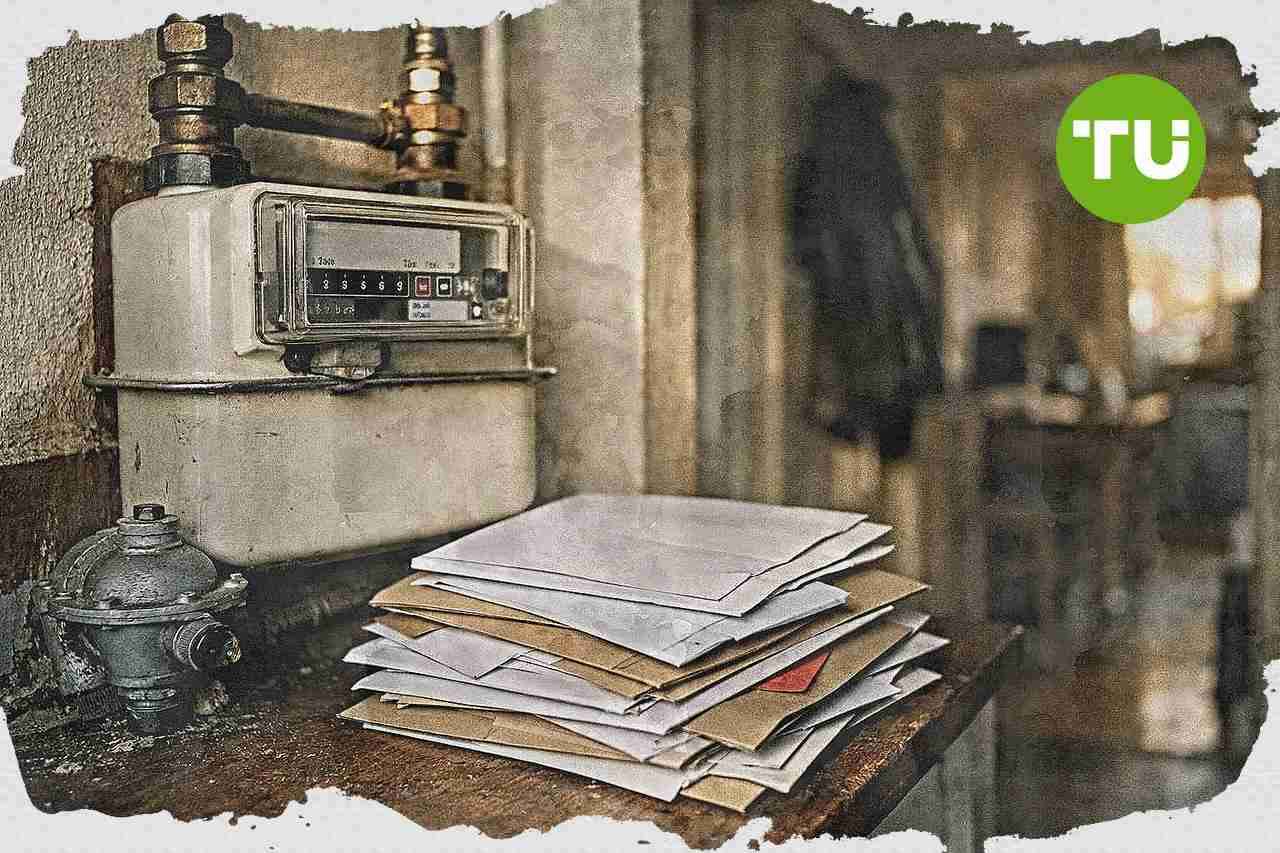
Rising household arrears are intensifying financial pressure across the UK energy market as suppliers pass unpaid costs on to bill payers. Scottish Power says a portion of the £4.8 billion debt burden should be separated and financed over a longer period to limit the impact on annual household bills.
Highlights
- Scottish Power proposes securitising £1.6 billion of household energy debt, with repayments to banks over 10 years and annual household costs under £10.
- Ofgem data shows UK household energy debt reached £4.8 billion in Q1 2024, up from £1.1 billion in 2018, with forecasts hitting £7 billion by end-2027.
- The UK price cap for typical household energy bills increases 13 per cent on Wednesday, while the electricity unit rate is nearly 60 per cent higher than in 2019.
Proposal to spread unpaid bills over time
As first reported by Financial Times, Scottish Power is urging regulators to allow part of the household energy debt pile to be pooled and sold to banks, in what the company presents as a way to ease strain on suppliers and consumers. Andrew Ward, chief executive of Scottish Power’s retail energy division, says about one-third of the current £4.8 billion in debt, or roughly £1.6 billion, comes from households that are genuinely unable to pay and should be ringfenced under a securitisation model.Ward says banks could then be repaid over about 10 years, with the annual cost to households staying below £10 each, based on the company’s analysis. He argues this would leave customers still contributing to the wider debt burden, but paying less overall than under the current system, where suppliers recover bad debt through higher charges on all users.
Scottish Power, which supplies gas and electricity to about five million homes and businesses, says it has raised the proposal with Ofgem and the government’s energy department. Ward adds that suppliers would still need to prove they have pursued unpaid bills properly and identified which households cannot realistically afford repayment.
Debt growth adds pressure across the market
Ofgem figures show household energy debt, defined as arrears more than 91 days old, stands at £4.8 billion across Britain in the first quarter of this year, up from £1.1 billion at the start of 2018. The increase follows repeated bill shocks after wholesale gas prices surged in 2021 after the pandemic, in 2022 after Russia’s invasion of Ukraine, and again this year at the start of the U.S.-Israeli war against Iran.Under current Ofgem rules, suppliers are allowed to recover bad debt costs from the wider customer base, adding about £55 a year to a typical household energy bill. Consultancy Baringa says in a report published Tuesday that total debt is on course to reach £7 billion by the end of 2027, a level that could raise the burden to £100 per household and deepen financial strain.
The UK price cap for typical household energy bills is set to rise 13 per cent on Wednesday, while the unit rate for electricity is almost 60 per cent higher than in 2019. A government spokesperson says tackling the affordability crisis remains its top priority and that ministers are working with Ofgem, which is considering a range of options to reduce debt in the system. Support across the sector for Scottish Power’s plan remains unclear, although rival EDF has also described energy debt levels as out of control.
In our earlier coverage of the Lloyds business barometer for June, we noted that UK business confidence weakened as cost pressures and broader uncertainty weighed on sentiment, even as firms remained relatively more upbeat about their own trading outlook. The survey also showed a sharp drop in manufacturing confidence, while hiring intentions improved for the first time in three months, suggesting companies were still planning for expansion despite a softer economic mood.





Latest UK News










-
 Afghanistan
-
 Albania
-
 Algeria
-
 Angola
-
 Argentina
-
 Armenia
-
 Australia
-
 Austria
-
 Azerbaijan
-
 Bahamas
-
 Bahrain
-
 Bangladesh
-
 Belarus
-
 Belgium
-
 Bolivia
-
 Botswana
-
 Brazil
-
 Brunei
-
 Bulgaria
-
 Cambodia
-
 Cameroon
-
 Canada
-
 Chile
Chile
-
 China
China
-
 Colombia
-
 Congo
Congo
-
 Costa Rica
-
 Cote d'Ivoire
-
 Croatia
-
 Cuba
Cuba
-
 Cyprus
-
 Czechia
-
 DR Congo
-
 Denmark
-
 Dominican Republic
-
 Ecuador
-
 Egypt
Egypt
-
 El Salvador
-
 Estonia
-
 Eswatini
-
 Ethiopia
-
 Finland
-
 France
-
 Georgia
-
 Germany
-
 Ghana
Ghana
-
 Greece
-
 Haiti
Haiti
-
 Hong Kong
-
 Hungary
-
 India
India
-
 Indonesia
-
 Iran, Islamic republic
-
 Iraq
Iraq
-
 Ireland
-
 Israel
-
 Italy
Italy
-
 Jamaica
-
 Japan
Japan
-
 Jordan
-
 Kazakhstan
-
 Kenya
Kenya
-
 Korea
Korea
-
 Kuwait
-
 Kyrgyzstan
-
 Laos
Laos
-
 Latvia
-
 Lebanon
-
 Lesotho
-
 Libya
Libya
-
 Lithuania
-
 Luxembourg
-
 Madagascar
-
 Malaysia
-
 Malta
Malta
-
 Mauritius
-
 Mexico
-
 Moldova
-
 Mongolia
-
 Montenegro
-
 Morocco
-
 Mozambique
-
 Myanmar
-
 Namibia
-
 Nepal
Nepal
-
 Netherlands
-
 New Zealand
-
 Nigeria
-
 North Macedonia
-
 Norway
-
 Oman
Oman
-
 Pakistan
-
 Palestine
-
 Panama
-
 Papua New Guinea
-
 Paraguay
-
 Peru
Peru
-
 Philippines
-
 Poland
-
 Portugal
-
 Puerto Rico
-
 Qatar
Qatar
-
 Reunion
-
 Romania
-
 Rwanda
-
 Saudi Arabia
-
 Serbia
-
 Singapore
-
 Slovakia
-
 Slovenia
-
 Somalia
-
 South Africa
-
 Spain
Spain
-
 Sri Lanka
-
 Sweden
-
 Switzerland
-
 Syria
Syria
-
 Taiwan
-
 Tajikistan
-
 Tanzania
-
 Thailand
-
 Trinidad and Tobago
-
 Tunisia
-
 Turkey
-
 UAE
UAE
-
 Uganda
-
 Ukraine
-
 United Kingdom
-
United States
-
 Uruguay
-
 Uzbekistan
-
 Venezuela
-
 Vietnam
-
 Yemen
Yemen
-
 Zambia
-
 Zimbabwe
- Forex
- Crypto











