
Britain defence procurement costs threaten value of spending increase
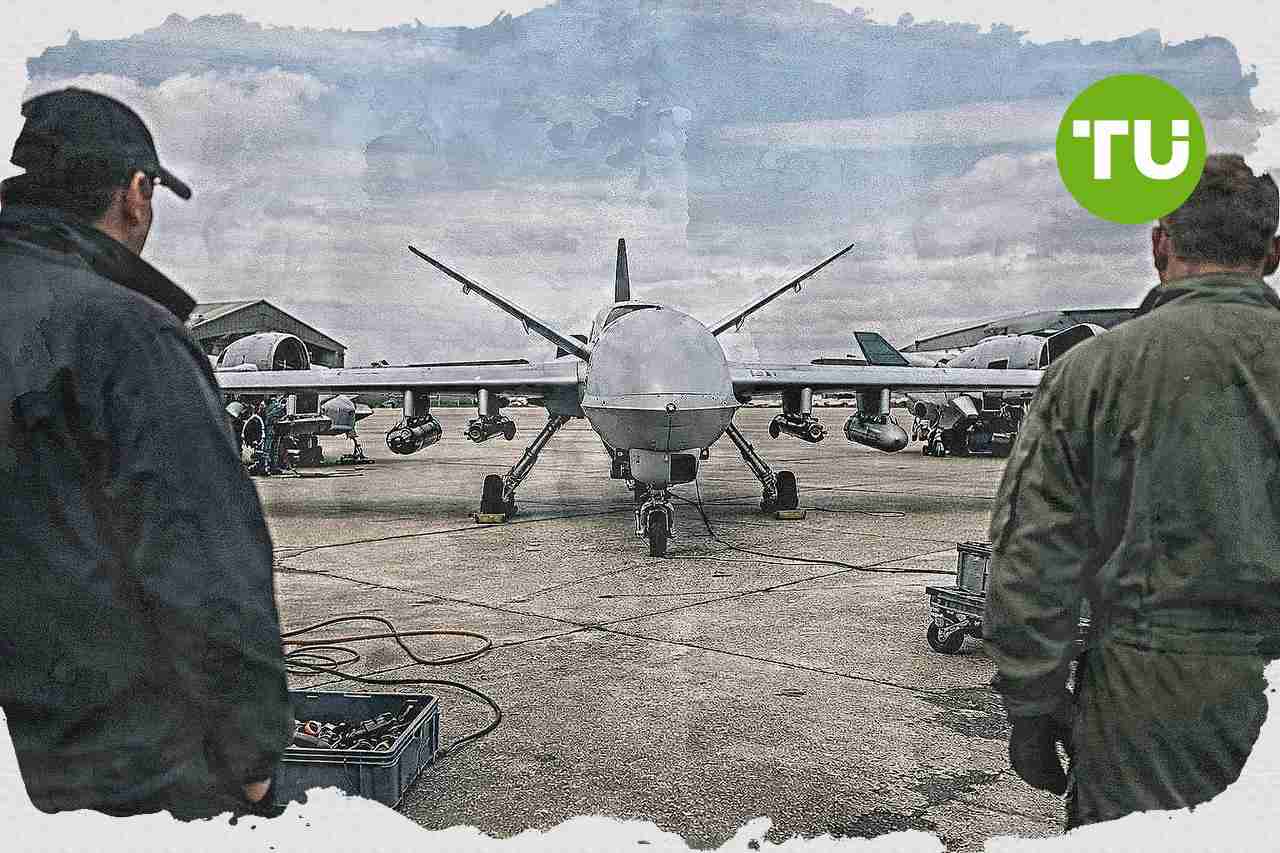
Britain is committing larger sums to defence, including billions for drones, but procurement constraints are limiting how far that money can go. The spending plan still sits below the longer-term target for defence outlays, while past delays and cost overruns point to execution risks at the Ministry of Defence.
Highlights
- The UK government will add £15bn to defence spending over four years, reaching £300bn, with £5bn allocated to drones, but remains £25bn short of its 3.5% of GDP target by 2035.
- Britain's limited supplier base, dominated by BAE Systems, raises concerns over procurement efficiency and cost competitiveness compared to the U.S., where drone unit prices are expected to fall to $3,000.
- Cost overruns and procurement delays persist, as demonstrated by the Protector drone programme's cost rising to £1.76bn for 16 units—£500mn above plan—with only nine delivered by May 2024.
Drone spending plan faces procurement test
As reported by Financial Times, the UK government is adding £15bn to defence spending over the next four years, taking the total to £300bn, with £5bn earmarked for drones. But the scale of the commitment is drawing scrutiny because Britain remains below its 2035 target of spending 3.5 per cent of GDP on defence, and estimates from the Office for Budget Responsibility indicate that reaching that level would require about another £25bn in today's money.The more immediate concern is whether the Ministry of Defence can convert higher budgets into equipment efficiently. The article points to the U.S. drone programme as a benchmark, where the Defense Innovation Unit is due to receive 30,000 expendable one-way attack drones and plans to order another 60,000 in September, with unit costs expected to fall from $5,000 to $3,000 as production scales up.
Britain may struggle to match those economics because its supplier base is narrower. BAE Systems remains the dominant player, alongside a smaller group of companies including Tekever, and that limited field can reduce competitive pressure on pricing and delivery.
Past overruns highlight broader industry impact
The UK defence sector has already absorbed the cost of slow and complex procurement. A plan from the David Cameron era to expand the country's fleet of armed drones ran into delays, and by 2023 the cost of buying and operating 16 U.S.-made Protector drones had risen to £1.76bn, about £500mn above initial estimates; as of May this year, only nine of the aircraft were in service, according to a freedom of information request cited in the text.At the same time, the UK is extending the retirement timetable for Watchkeeper drones by two years to next March while waiting for replacements. That combination of delayed acquisition and prolonged use of older systems suggests that without faster and tougher procurement rules, higher defence budgets may deliver less operational benefit than the headline figures imply.
Our earlier report on the UK’s £15bn defence spending uplift outlined how the government plans to raise military investment over the next four years while still falling short of faster GDP-based spending targets. We noted that more than £5bn was set aside for a drone “transformation,” but many procurement timelines and concrete delivery milestones remained unclear, alongside wider reprioritisation and cancellations across several defence programmes.


Latest UK News







-
 Afghanistan
-
 Albania
-
 Algeria
-
 Angola
-
 Argentina
-
 Armenia
-
 Australia
-
 Austria
-
 Azerbaijan
-
 Bahamas
-
 Bahrain
-
 Bangladesh
-
 Belarus
-
 Belgium
-
 Bolivia
-
 Botswana
-
 Brazil
-
 Brunei
-
 Bulgaria
-
 Cambodia
-
 Cameroon
-
 Canada
-
 Chile
Chile
-
 China
China
-
 Colombia
-
 Congo
Congo
-
 Costa Rica
-
 Cote d'Ivoire
-
 Croatia
-
 Cuba
Cuba
-
 Cyprus
-
 Czechia
-
 DR Congo
-
 Denmark
-
 Dominican Republic
-
 Ecuador
-
 Egypt
Egypt
-
 El Salvador
-
 Estonia
-
 Eswatini
-
 Ethiopia
-
 Finland
-
 France
-
 Georgia
-
 Germany
-
 Ghana
Ghana
-
 Greece
-
 Haiti
Haiti
-
 Hong Kong
-
 Hungary
-
 India
India
-
 Indonesia
-
 Iran, Islamic republic
-
 Iraq
Iraq
-
 Ireland
-
 Israel
-
 Italy
Italy
-
 Jamaica
-
 Japan
Japan
-
 Jordan
-
 Kazakhstan
-
 Kenya
Kenya
-
 Korea
Korea
-
 Kuwait
-
 Kyrgyzstan
-
 Laos
Laos
-
 Latvia
-
 Lebanon
-
 Lesotho
-
 Libya
Libya
-
 Lithuania
-
 Luxembourg
-
 Madagascar
-
 Malaysia
-
 Malta
Malta
-
 Mauritius
-
 Mexico
-
 Moldova
-
 Mongolia
-
 Montenegro
-
 Morocco
-
 Mozambique
-
 Myanmar
-
 Namibia
-
 Nepal
Nepal
-
 Netherlands
-
 New Zealand
-
 Nigeria
-
 North Macedonia
-
 Norway
-
 Oman
Oman
-
 Pakistan
-
 Palestine
-
 Panama
-
 Papua New Guinea
-
 Paraguay
-
 Peru
Peru
-
 Philippines
-
 Poland
-
 Portugal
-
 Puerto Rico
-
 Qatar
Qatar
-
 Reunion
-
 Romania
-
 Rwanda
-
 Saudi Arabia
-
 Serbia
-
 Singapore
-
 Slovakia
-
 Slovenia
-
 Somalia
-
 South Africa
-
 Spain
Spain
-
 Sri Lanka
-
 Sweden
-
 Switzerland
-
 Syria
Syria
-
 Taiwan
-
 Tajikistan
-
 Tanzania
-
 Thailand
-
 Trinidad and Tobago
-
 Tunisia
-
 Turkey
-
 UAE
UAE
-
 Uganda
-
 Ukraine
-
 United Kingdom
-
United States
-
 Uruguay
-
 Uzbekistan
-
 Venezuela
-
 Vietnam
-
 Yemen
Yemen
-
 Zambia
-
 Zimbabwe
- Forex
- Crypto












