
House Homeland Security panel highlights northern border security gaps

Lawmakers are focusing on the U.S.-Canada frontier as shifting migration and trafficking patterns test enforcement across remote terrain and waterways. A joint House hearing is examining illegal crossings, counterterrorism risks and resource gaps as officials warn criminal networks may increasingly target the northern border.
Highlights
- Chairmen Michael Guest and August Pfluger note the nearly 4,000-mile northern border faces significant security gaps in personnel, technology and infrastructure.
- CBP data indicates the northern border's share of nationwide encounters has more than doubled since FY23, with drug seizures reaching record levels this year.
- Lawmakers cite over 1,500 Terrorist Screening Dataset encounters at northern border ports in five years, urging Congress to fund performance standards and new enforcement investments.
Northern border risks and hearing focus
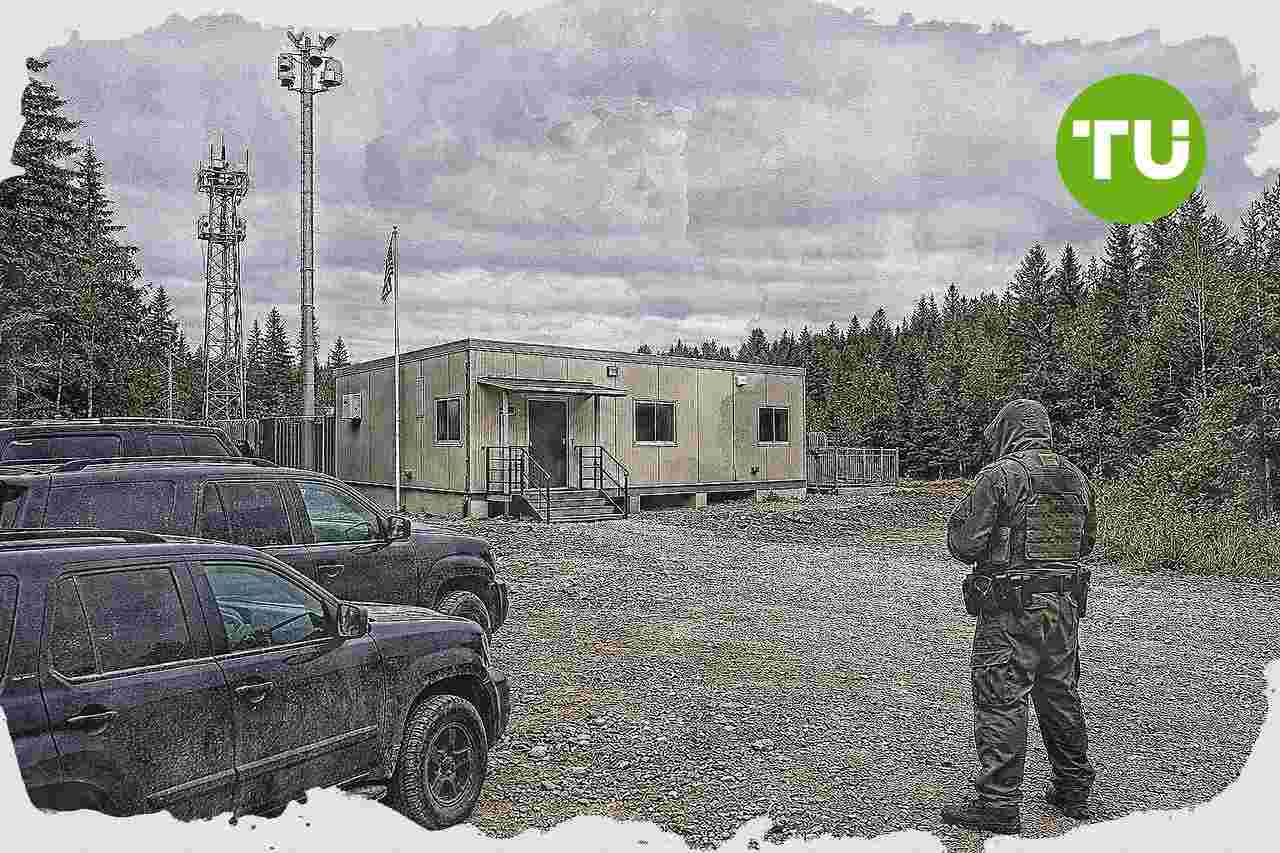
As reported by the House Committee on Homeland Security, Subcommittee Chairman Michael Guest and Subcommittee Chairman August Pfluger open a joint hearing on security challenges along the northern U.S. border, pointing to its nearly 4,000-mile span, remote geography and gaps in personnel, technology and infrastructure.The opening statements describe the border with Canada as one of the world's largest land frontiers, stretching across forests, mountains and more than 2,000 miles of waterways, including the Great Lakes. The lawmakers say that terrain creates a distinct threat environment for the Department of Homeland Security and requires continued oversight of enforcement strategy and capabilities.
They also say the hearing is intended to review where progress has been made, identify remaining vulnerabilities and assess what additional authorities, resources and oversight may be needed to strengthen border security.
Enforcement trends and national security implications
The chairmen argue that tighter security at the southwest border is contributing to shifts in smuggling routes as transnational criminal organizations look for weaker points of entry. They say CBP data shows illegal crossings have begun to move north over the last year, even as overall encounters at the northern border decline.According to the statements, the northern border's share of nationwide encounters has more than doubled since FY23, and drug seizures there have steadily increased to record levels this year. The lawmakers also cite CBP encounters with more than 1,500 individuals on the Terrorist Screening Dataset over the last five fiscal years at and between ports of entry along the northern border.
The statements say the Department of Homeland Security has expanded surveillance, air and marine operations, intelligence sharing and coordination with federal, state, local and tribal partners over the past decade. Even so, the chairmen say Congress must continue to back measurable performance standards and investments in staffing, infrastructure and technology so law enforcement agencies can respond as criminal groups adapt.
Our earlier article covered a bipartisan House hearing examining private equity’s growing role in U.S. youth sports and concerns that consolidation is pushing fees higher and limiting affordable access for families. Lawmakers discussed possible responses including greater fee transparency, stronger antitrust enforcement and more public investment, while a recent acquisition involving RCX Sports added momentum to the policy debate.





Latest Canada News






-
 Afghanistan
-
 Albania
-
 Algeria
-
 Angola
-
 Argentina
-
 Armenia
-
 Australia
-
 Austria
-
 Azerbaijan
-
 Bahamas
-
 Bahrain
-
 Bangladesh
-
 Belarus
-
 Belgium
-
 Bolivia
-
 Botswana
-
 Brazil
-
 Brunei
-
 Bulgaria
-
 Cambodia
-
 Cameroon
-
 Canada
-
 Chile
Chile
-
 China
China
-
 Colombia
-
 Congo
Congo
-
 Costa Rica
-
 Cote d'Ivoire
-
 Croatia
-
 Cuba
Cuba
-
 Cyprus
-
 Czechia
-
 DR Congo
-
 Denmark
-
 Dominican Republic
-
 Ecuador
-
 Egypt
Egypt
-
 El Salvador
-
 Estonia
-
 Eswatini
-
 Ethiopia
-
 Finland
-
 France
-
 Georgia
-
 Germany
-
 Ghana
Ghana
-
 Greece
-
 Haiti
Haiti
-
 Hong Kong
-
 Hungary
-
 India
India
-
 Indonesia
-
 Iran, Islamic republic
-
 Iraq
Iraq
-
 Ireland
-
 Israel
-
 Italy
Italy
-
 Jamaica
-
 Japan
Japan
-
 Jordan
-
 Kazakhstan
-
 Kenya
Kenya
-
 Korea
Korea
-
 Kuwait
-
 Kyrgyzstan
-
 Laos
Laos
-
 Latvia
-
 Lebanon
-
 Lesotho
-
 Libya
Libya
-
 Lithuania
-
 Luxembourg
-
 Madagascar
-
 Malaysia
-
 Malta
Malta
-
 Mauritius
-
 Mexico
-
 Moldova
-
 Mongolia
-
 Montenegro
-
 Morocco
-
 Mozambique
-
 Myanmar
-
 Namibia
-
 Nepal
Nepal
-
 Netherlands
-
 New Zealand
-
 Nigeria
-
 North Macedonia
-
 Norway
-
 Oman
Oman
-
 Pakistan
-
 Palestine
-
 Panama
-
 Papua New Guinea
-
 Paraguay
-
 Peru
Peru
-
 Philippines
-
 Poland
-
 Portugal
-
 Puerto Rico
-
 Qatar
Qatar
-
 Reunion
-
 Romania
-
 Rwanda
-
 Saudi Arabia
-
 Serbia
-
 Singapore
-
 Slovakia
-
 Slovenia
-
 Somalia
-
 South Africa
-
 Spain
Spain
-
 Sri Lanka
-
 Sweden
-
 Switzerland
-
 Syria
Syria
-
 Taiwan
-
 Tajikistan
-
 Tanzania
-
 Thailand
-
 Trinidad and Tobago
-
 Tunisia
-
 Turkey
-
 UAE
UAE
-
 Uganda
-
 Ukraine
-
 United Kingdom
-
United States
-
 Uruguay
-
 Uzbekistan
-
 Venezuela
-
 Vietnam
-
 Yemen
Yemen
-
 Zambia
-
 Zimbabwe
- Forex
- Crypto











