
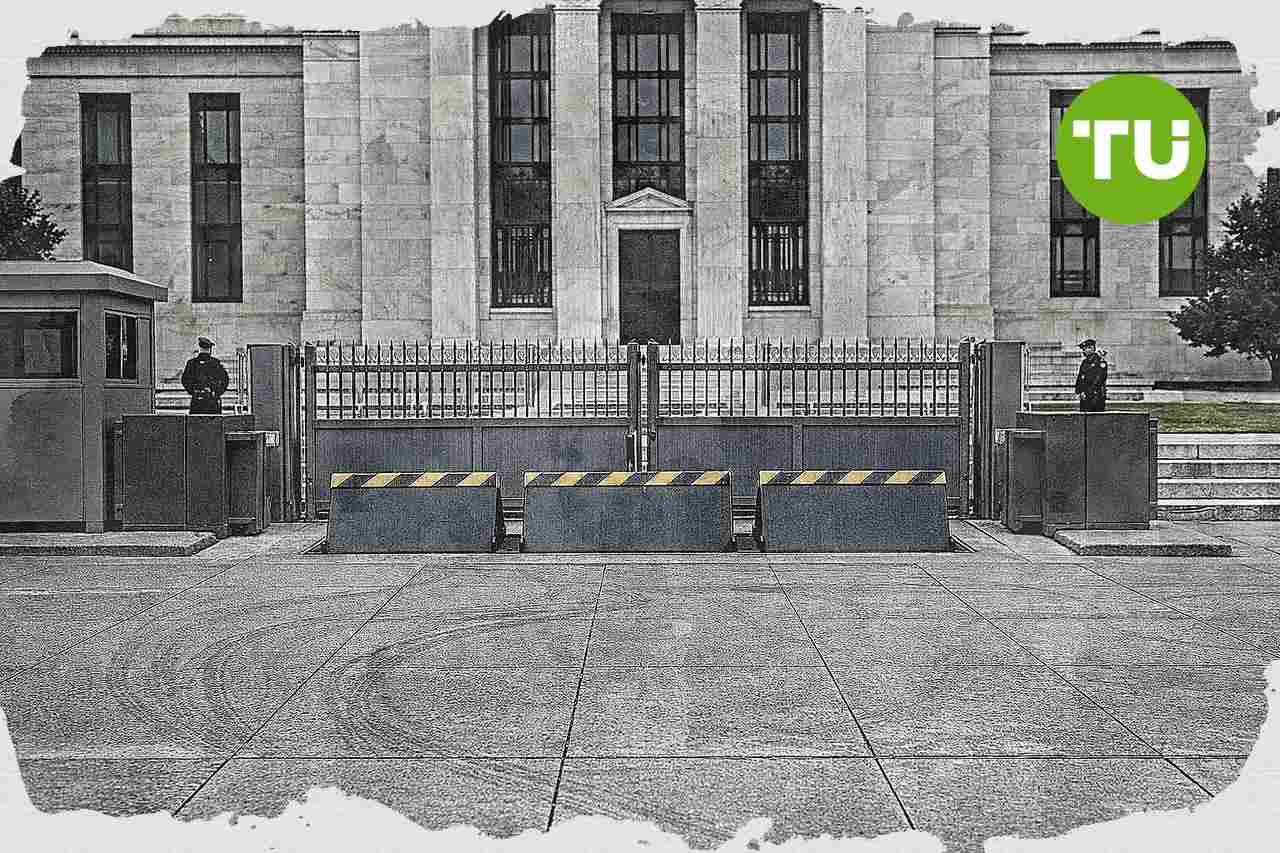
Pressure on the Federal Reserve remains a central risk for U.S. monetary policy as President Donald Trump and his allies continue attacking the central bank's autonomy. Kevin Warsh, presented as Trump's chosen chair, faces scrutiny over whether he would defend the Fed's institutional independence and internal consensus-driven culture.
Highlights
- Political pressure from Trump and allies threatens Federal Reserve independence, raising concerns about Warsh's ability to resist White House influence if appointed.
- Warsh faces a broader challenge than interest rates, needing to maintain internal Fed consensus and public credibility amid sustained efforts to undermine autonomy.
- Powell's precedent shows that direct public response to political intimidation was crucial for maintaining market trust, setting expectations for Warsh's leadership style and the Fed's perceived independence.
Leadership test for the central bank
As Bloomberg Opinion argues, the White House's continued pressure on the Federal Reserve raises questions about how Warsh would handle political intimidation if he leads the institution.Trump and his allies are described as pursuing a sustained effort to weaken the independence of the U.S. central bank, a campaign the article characterizes as dangerous and misguided. The focus is not only on policy outcomes, but also on whether the Fed can preserve its decision-making autonomy from direct political influence.
Warsh's challenge, in this framing, is broader than setting interest rates or guiding markets. He would need to show colleagues that he can lead an institution built on intellectual debate and consensus, while maintaining credibility in the face of pressure from the White House.
Powell precedent and market implications
Jerome Powell initially stayed silent when confronted with attacks on the Fed, but that approach changed after it became clear that letting Trump dominate the public narrative only strengthened the campaign against the central bank.Powell eventually responded directly in a blunt Jan. 11 video address to the American people. The comparison suggests Warsh's credibility would depend on whether he is willing to speak out early and clearly against attempts to intimidate the Fed, a stance that would matter for institutional trust as well as for market confidence in the independence of U.S. monetary policy.
In our earlier article on the U.S. approaching the 250th anniversary of the Declaration of Independence, we examined how the country’s founding ideals and constitutional checks are being tested by polarization and strains on institutions. We noted that safeguards against overreach can depend as much on public sentiment as on formal rules, framing current political dynamics as a stress test for American democracy’s resilience.





Latest Bank of Canada News









-
 Afghanistan
-
 Albania
-
 Algeria
-
 Angola
-
 Argentina
-
 Armenia
-
 Australia
-
 Austria
-
 Azerbaijan
-
 Bahamas
-
 Bahrain
-
 Bangladesh
-
 Belarus
-
 Belgium
-
 Bolivia
-
 Botswana
-
 Brazil
-
 Brunei
-
 Bulgaria
-
 Cambodia
-
 Cameroon
-
 Canada
-
 Chile
Chile
-
 China
China
-
 Colombia
-
 Congo
Congo
-
 Costa Rica
-
 Cote d'Ivoire
-
 Croatia
-
 Cuba
Cuba
-
 Cyprus
-
 Czechia
-
 DR Congo
-
 Denmark
-
 Dominican Republic
-
 Ecuador
-
 Egypt
Egypt
-
 El Salvador
-
 Estonia
-
 Eswatini
-
 Ethiopia
-
 Finland
-
 France
-
 Georgia
-
 Germany
-
 Ghana
Ghana
-
 Greece
-
 Haiti
Haiti
-
 Hong Kong
-
 Hungary
-
 India
India
-
 Indonesia
-
 Iran, Islamic republic
-
 Iraq
Iraq
-
 Ireland
-
 Israel
-
 Italy
Italy
-
 Jamaica
-
 Japan
Japan
-
 Jordan
-
 Kazakhstan
-
 Kenya
Kenya
-
 Korea
Korea
-
 Kuwait
-
 Kyrgyzstan
-
 Laos
Laos
-
 Latvia
-
 Lebanon
-
 Lesotho
-
 Libya
Libya
-
 Lithuania
-
 Luxembourg
-
 Madagascar
-
 Malaysia
-
 Malta
Malta
-
 Mauritius
-
 Mexico
-
 Moldova
-
 Mongolia
-
 Montenegro
-
 Morocco
-
 Mozambique
-
 Myanmar
-
 Namibia
-
 Nepal
Nepal
-
 Netherlands
-
 New Zealand
-
 Nigeria
-
 North Macedonia
-
 Norway
-
 Oman
Oman
-
 Pakistan
-
 Palestine
-
 Panama
-
 Papua New Guinea
-
 Paraguay
-
 Peru
Peru
-
 Philippines
-
 Poland
-
 Portugal
-
 Puerto Rico
-
 Qatar
Qatar
-
 Reunion
-
 Romania
-
 Rwanda
-
 Saudi Arabia
-
 Serbia
-
 Singapore
-
 Slovakia
-
 Slovenia
-
 Somalia
-
 South Africa
-
 Spain
Spain
-
 Sri Lanka
-
 Sweden
-
 Switzerland
-
 Syria
Syria
-
 Taiwan
-
 Tajikistan
-
 Tanzania
-
 Thailand
-
 Trinidad and Tobago
-
 Tunisia
-
 Turkey
-
 UAE
UAE
-
 Uganda
-
 Ukraine
-
 United Kingdom
-
United States
-
 Uruguay
-
 Uzbekistan
-
 Venezuela
-
 Vietnam
-
 Yemen
Yemen
-
 Zambia
-
 Zimbabwe
- Forex
- Crypto











