
Federal Reserve leadership faces pressure as Trump allies target Warsh
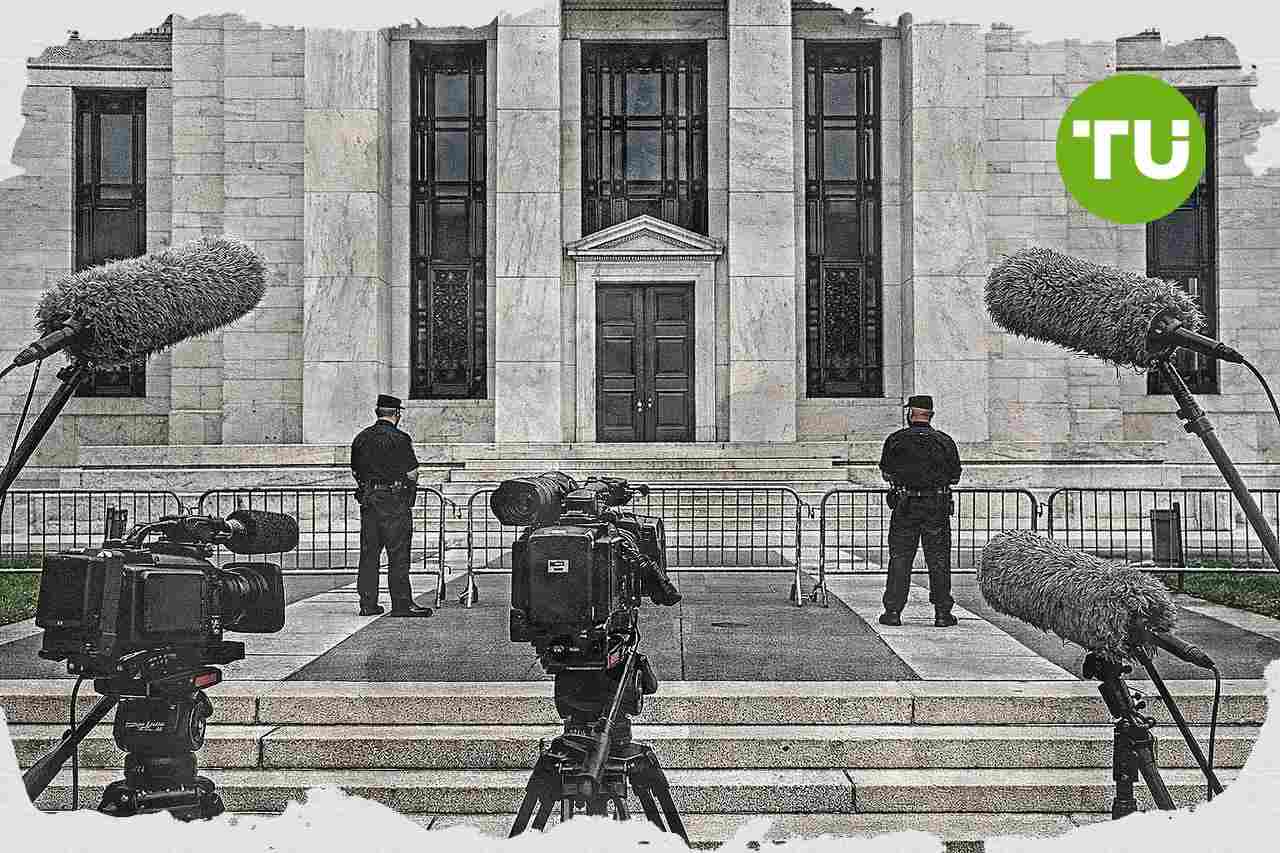
Political pressure on the Federal Reserve is again raising questions about the central bank's independence as Kevin Warsh emerges as Donald Trump's preferred choice to lead it. The debate centers on whether Warsh would resist White House intimidation more forcefully than Jerome Powell initially did during earlier attacks on the Fed.
Highlights
- Trump allies intensify efforts to influence Fed leadership, focusing on whether Warsh would resist political interference if appointed as chair.
- Jerome Powell shifted from silence to direct public rebuttal on Jan. 11, signaling a new stance against White House pressure on the Federal Reserve.
- Market confidence in U.S. monetary policy could erode if the Fed chair is perceived as susceptible to political influence, threatening central bank credibility.
Leadership test for a prospective Fed chair
As Bloomberg's analysis argues, Trump and his allies are not abandoning efforts to weaken the independence of the Federal Reserve, placing Warsh's prospective leadership under scrutiny. The central question is whether he would defend the institution against political interference if he were to take the chair.Jerome Powell at first responded to attacks on the Fed with silence, but that approach changed once it became clear that letting Trump dominate the public narrative only encouraged a more aggressive campaign. Powell later pushed back directly in a blunt video address to the American people on Jan. 11.
If Warsh wants to lead an institution built on intellectual debate and consensus, he needs to secure the confidence of fellow policymakers and show a high level of integrity. That process, in this view, begins with openly resisting pressure from the White House and speaking against intimidation.
Implications for central bank credibility
The issue carries broader significance for financial markets because the Federal Reserve's credibility depends heavily on its ability to operate without political direction. Any perception that the White House can shape monetary policy through pressure on the chair risks undermining confidence in the central bank's decision-making.For the U.S. economy, the dispute is not only about personalities but about institutional governance. A Fed leader seen as independent can better preserve trust in policy deliberations, while a leader viewed as politically constrained could face doubts over the bank's ability to build consensus and act in the country's long-term economic interest.
In our earlier coverage of the U.S. 250th anniversary of the Declaration of Independence, we examined how the country’s founding ideals are being tested again by polarization and renewed strain on democratic checks and balances. The piece argued that constitutional safeguards ultimately depend on public support, warning that disputes over institutional limits have become a live stress test for U.S. governance.




Latest Fed News







-
 Afghanistan
-
 Albania
-
 Algeria
-
 Angola
-
 Argentina
-
 Armenia
-
 Australia
-
 Austria
-
 Azerbaijan
-
 Bahamas
-
 Bahrain
-
 Bangladesh
-
 Belarus
-
 Belgium
-
 Bolivia
-
 Botswana
-
 Brazil
-
 Brunei
-
 Bulgaria
-
 Cambodia
-
 Cameroon
-
 Canada
-
 Chile
Chile
-
 China
China
-
 Colombia
-
 Congo
Congo
-
 Costa Rica
-
 Cote d'Ivoire
-
 Croatia
-
 Cuba
Cuba
-
 Cyprus
-
 Czechia
-
 DR Congo
-
 Denmark
-
 Dominican Republic
-
 Ecuador
-
 Egypt
Egypt
-
 El Salvador
-
 Estonia
-
 Eswatini
-
 Ethiopia
-
 Finland
-
 France
-
 Georgia
-
 Germany
-
 Ghana
Ghana
-
 Greece
-
 Haiti
Haiti
-
 Hong Kong
-
 Hungary
-
 India
India
-
 Indonesia
-
 Iran, Islamic republic
-
 Iraq
Iraq
-
 Ireland
-
 Israel
-
 Italy
Italy
-
 Jamaica
-
 Japan
Japan
-
 Jordan
-
 Kazakhstan
-
 Kenya
Kenya
-
 Korea
Korea
-
 Kuwait
-
 Kyrgyzstan
-
 Laos
Laos
-
 Latvia
-
 Lebanon
-
 Lesotho
-
 Libya
Libya
-
 Lithuania
-
 Luxembourg
-
 Madagascar
-
 Malaysia
-
 Malta
Malta
-
 Mauritius
-
 Mexico
-
 Moldova
-
 Mongolia
-
 Montenegro
-
 Morocco
-
 Mozambique
-
 Myanmar
-
 Namibia
-
 Nepal
Nepal
-
 Netherlands
-
 New Zealand
-
 Nigeria
-
 North Macedonia
-
 Norway
-
 Oman
Oman
-
 Pakistan
-
 Palestine
-
 Panama
-
 Papua New Guinea
-
 Paraguay
-
 Peru
Peru
-
 Philippines
-
 Poland
-
 Portugal
-
 Puerto Rico
-
 Qatar
Qatar
-
 Reunion
-
 Romania
-
 Rwanda
-
 Saudi Arabia
-
 Serbia
-
 Singapore
-
 Slovakia
-
 Slovenia
-
 Somalia
-
 South Africa
-
 Spain
Spain
-
 Sri Lanka
-
 Sweden
-
 Switzerland
-
 Syria
Syria
-
 Taiwan
-
 Tajikistan
-
 Tanzania
-
 Thailand
-
 Trinidad and Tobago
-
 Tunisia
-
 Turkey
-
 UAE
UAE
-
 Uganda
-
 Ukraine
-
 United Kingdom
-
United States
-
 Uruguay
-
 Uzbekistan
-
 Venezuela
-
 Vietnam
-
 Yemen
Yemen
-
 Zambia
-
 Zimbabwe
- Forex
- Crypto











