
U.S.-Iran ceasefire frays as Trump questions prospects for new deal
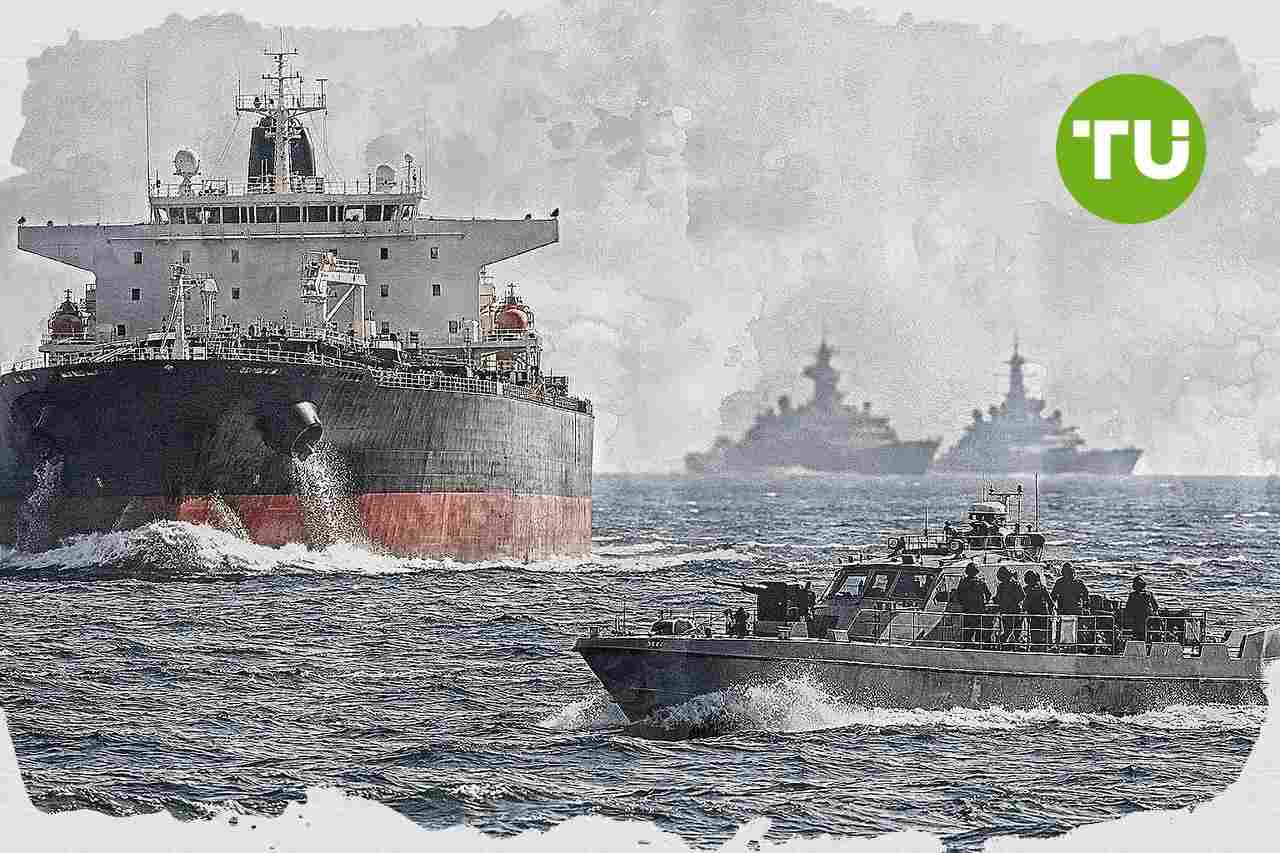
Tensions around the Strait of Hormuz are escalating again after a temporary U.S.-Iran ceasefire began to unravel amid renewed maritime and military clashes. President Donald Trump says he is no longer sure he wants an agreement with Tehran, while also signaling the U.S. could take further military action.
Highlights
- Trump declares the U.S.-Iran ceasefire effectively finished after Iran attacks three commercial vessels in or near the Strait of Hormuz on Tuesday.
- The U.S. revokes its waiver on sanctions for Iranian oil sales and launches dozens of retaliatory strikes on Iranian military infrastructure and small boats.
- The Strait of Hormuz remains a key risk point for global oil flows, with Iran threatening tolls and contesting U.S. maritime dominance as ceasefire terms break down.
Renewed Strait of Hormuz conflict strains ceasefire
As reported by CNBC, Trump says the recent ceasefire arrangement with Iran is effectively finished after new violence in and around the Strait of Hormuz. Speaking at a press conference in Ankara during a NATO summit, he says he is not sure he wants to make a deal with Tehran and adds that trying to engage with the Islamic republic is a waste of time.Earlier Wednesday, Trump says the U.S. ceasefire with Iran is over. He later says the U.S. might order more military action "tonight," though he also qualifies that threat by saying he only might authorize further strikes.
According to U.S. Central Command and the Joint Maritime Information Center, Tehran attacks three commercial vessels on Tuesday in or near the Strait of Hormuz. The U.S. then revokes its waiver on sanctions for Iranian oil sales, a measure that had formed part of the temporary agreement reached last month, and says it launches dozens of retaliatory strikes on Iranian military infrastructure and small boats.
Oil trade risks and regional leverage come back into focus
The Strait of Hormuz remains a critical artery for global oil flows and a central pressure point in the conflict. Iran's capacity to disrupt passage through the waterway, and its stated intent to charge tolls on ships seeking transit, gives Tehran leverage against the larger U.S. military presence, while Washington responds with pressure on Iranian maritime access in the area.Under the earlier deal, the U.S. agrees to lift its blockade and Iran agrees to make its best efforts to ensure the safe passage of commercial vessels in the Gulf region. On Wednesday, Iranian Foreign Affairs Ministry spokesman Esmaeil Baqaei writes in a post on X that the U.S. violates that clause, saying the agreement emphasizes Iran's authority in determining arrangements for ships transiting the strait.
Baqaei says U.S. unilateral actions and attacks undermine the structure of the agreement and adds that Iran will continue to defend its national interests and sovereignty. Trump, however, says he no longer wants to deal with Iran and that, as far as he is concerned, the ceasefire is over.
Our earlier article on the temporary Strait of Hormuz transit arrangement explained how the June 17 understanding was already fraying as Washington and Tehran clashed over who sets shipping routes and controls passage. It noted that repeated attacks on commercial vessels and tit-for-tat strikes were undermining the truce and complicating follow-up diplomacy, while keeping a geopolitical risk premium in oil prices in play.




Latest Fed News








-
 Afghanistan
-
 Albania
-
 Algeria
-
 Angola
-
 Argentina
-
 Armenia
-
 Australia
-
 Austria
-
 Azerbaijan
-
 Bahamas
-
 Bahrain
-
 Bangladesh
-
 Belarus
-
 Belgium
-
 Bolivia
-
 Botswana
-
 Brazil
-
 Brunei
-
 Bulgaria
-
 Cambodia
-
 Cameroon
-
 Canada
-
 Chile
Chile
-
 China
China
-
 Colombia
-
 Congo
Congo
-
 Costa Rica
-
 Cote d'Ivoire
-
 Croatia
-
 Cuba
Cuba
-
 Cyprus
-
 Czechia
-
 DR Congo
-
 Denmark
-
 Dominican Republic
-
 Ecuador
-
 Egypt
Egypt
-
 El Salvador
-
 Estonia
-
 Eswatini
-
 Ethiopia
-
 Finland
-
 France
-
 Georgia
-
 Germany
-
 Ghana
Ghana
-
 Greece
-
 Haiti
Haiti
-
 Hong Kong
-
 Hungary
-
 India
India
-
 Indonesia
-
 Iran, Islamic republic
-
 Iraq
Iraq
-
 Ireland
-
 Israel
-
 Italy
Italy
-
 Jamaica
-
 Japan
Japan
-
 Jordan
-
 Kazakhstan
-
 Kenya
Kenya
-
 Korea
Korea
-
 Kuwait
-
 Kyrgyzstan
-
 Laos
Laos
-
 Latvia
-
 Lebanon
-
 Lesotho
-
 Libya
Libya
-
 Lithuania
-
 Luxembourg
-
 Madagascar
-
 Malaysia
-
 Malta
Malta
-
 Mauritius
-
 Mexico
-
 Moldova
-
 Mongolia
-
 Montenegro
-
 Morocco
-
 Mozambique
-
 Myanmar
-
 Namibia
-
 Nepal
Nepal
-
 Netherlands
-
 New Zealand
-
 Nigeria
-
 North Macedonia
-
 Norway
-
 Oman
Oman
-
 Pakistan
-
 Palestine
-
 Panama
-
 Papua New Guinea
-
 Paraguay
-
 Peru
Peru
-
 Philippines
-
 Poland
-
 Portugal
-
 Puerto Rico
-
 Qatar
Qatar
-
 Reunion
-
 Romania
-
 Rwanda
-
 Saudi Arabia
-
 Serbia
-
 Singapore
-
 Slovakia
-
 Slovenia
-
 Somalia
-
 South Africa
-
 Spain
Spain
-
 Sri Lanka
-
 Sweden
-
 Switzerland
-
 Syria
Syria
-
 Taiwan
-
 Tajikistan
-
 Tanzania
-
 Thailand
-
 Trinidad and Tobago
-
 Tunisia
-
 Turkey
-
 UAE
UAE
-
 Uganda
-
 Ukraine
-
 United Kingdom
-
United States
-
 Uruguay
-
 Uzbekistan
-
 Venezuela
-
 Vietnam
-
 Yemen
Yemen
-
 Zambia
-
 Zimbabwe
- Forex
- Crypto











