
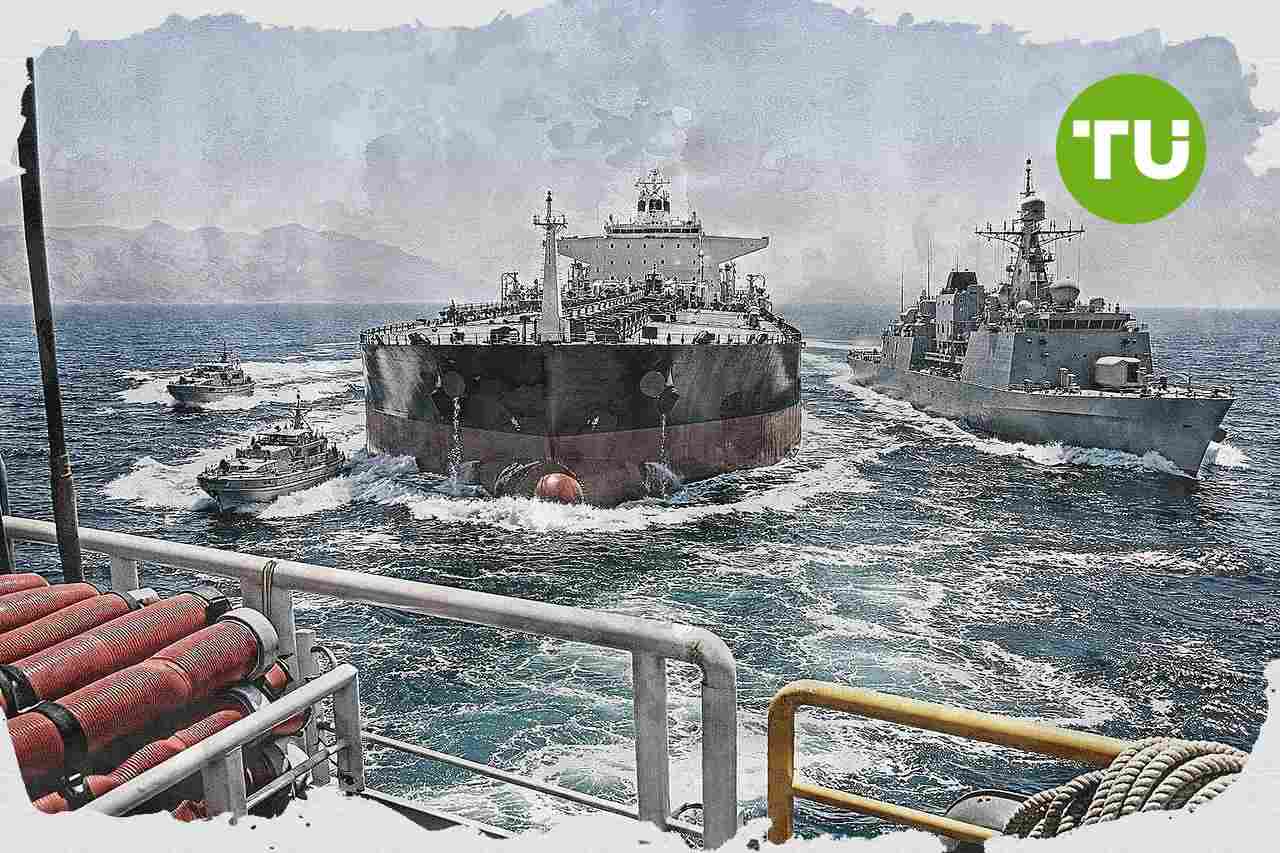
A temporary arrangement to restore traffic through the Strait of Hormuz is faltering as Washington and Tehran remain divided over who controls passage through the waterway. The dispute is sustaining repeated military exchanges, disrupting oil flows and clouding planned talks on a broader settlement including Iran’s nuclear programme.
Highlights
- Iran and the U.S. agreed on June 17 to reopen the Strait of Hormuz and extend the ceasefire, but shipping route disputes fuel recurring clashes undermining the truce.
- Iran leverages Hormuz transit disruptions for economic bargaining power, while President Donald Trump seeks rapid shipping restoration to address the U.S. energy crisis before midterm elections.
- High-level talks in Switzerland on June 21 and in Qatar last week showed tentative progress, but recent attacks and uncertainty around Ayatollah Ali Khamenei's funeral delay further negotiations past July 12.
Hormuz transit dispute drives renewed clashes
As reported by Financial Times, the interim memorandum of understanding signed on June 17 is struggling to hold even after the U.S. and Iran agreed to reopen the Strait of Hormuz and extend the April 8 ceasefire. Under the arrangement, Tehran agrees to let ships pass without charge during a 60-day truce extension, while the U.S. lifts its naval blockade on Iranian ports and Iran demines the strait within 30 days.The central dispute remains shipping routes. Iran insists vessels use a corridor close to its coastline, allowing it to monitor traffic through a waterway that carried about a fifth of the world’s oil and liquid natural gas before the war. The U.S., by contrast, encourages ships to transit near Oman’s coast, where American warplanes have been able to provide air cover since the end of May, reducing Tehran’s effective control.
That tension is feeding repeated retaliation. When Iran targets ships it says are using unauthorised routes, the U.S. responds with strikes and Tehran answers in turn, undermining both the ceasefire and diplomatic efforts to secure a permanent agreement. Mediators are trying to keep negotiations on track, but the latest exchange of attacks has added new strain to an already fragile process.
Energy market pressure and diplomatic risks grow
For Tehran, the strait has become a key source of leverage because disruptions there raise the economic cost of the conflict globally. Iran is reluctant to surrender that bargaining power before securing broader U.S. economic relief, while President Donald Trump is pushing to restore shipping quickly as part of efforts to ease an energy crisis ahead of U.S. midterm elections.Ellie Geranmayeh of the European Council on Foreign Relations says the absence of a mutually accepted shipping protocol is increasing the risk of deadlock and a return to wider war. The deal has already been tested despite a U.S. waiver allowing Tehran to sell crude and oil-related products in dollars, and despite efforts by both sides to set up a hotline to prevent incidents and miscommunication in the strait.
High-level talks in Switzerland on June 21, led by U.S. Vice President JD Vance, are followed by further discussions in Qatar last week, where mediators believe tentative progress is made before the latest attacks. Talks are expected to resume on July 12 after funeral ceremonies for Iran’s assassinated supreme leader, Ayatollah Ali Khamenei, but that timetable is now uncertain as the shipping industry remains on edge and insurers warn confidence will take time to rebuild.
WTI’s rebound amid renewed U.S.–Iran tensions highlighted how attacks involving commercial shipping in the Strait of Hormuz and tighter pressure on Iranian oil exports can quickly revive a geopolitical risk premium in crude. Our earlier article also noted that while headlines can drive sharp near-term moves, higher OPEC+ output and a mixed supply outlook may limit how long any rally can be sustained.




Latest FirstEnergy Corporation News








-
 Afghanistan
-
 Albania
-
 Algeria
-
 Angola
-
 Argentina
-
 Armenia
-
 Australia
-
 Austria
-
 Azerbaijan
-
 Bahamas
-
 Bahrain
-
 Bangladesh
-
 Belarus
-
 Belgium
-
 Bolivia
-
 Botswana
-
 Brazil
-
 Brunei
-
 Bulgaria
-
 Cambodia
-
 Cameroon
-
 Canada
-
 Chile
Chile
-
 China
China
-
 Colombia
-
 Congo
Congo
-
 Costa Rica
-
 Cote d'Ivoire
-
 Croatia
-
 Cuba
Cuba
-
 Cyprus
-
 Czechia
-
 DR Congo
-
 Denmark
-
 Dominican Republic
-
 Ecuador
-
 Egypt
Egypt
-
 El Salvador
-
 Estonia
-
 Eswatini
-
 Ethiopia
-
 Finland
-
 France
-
 Georgia
-
 Germany
-
 Ghana
Ghana
-
 Greece
-
 Haiti
Haiti
-
 Hong Kong
-
 Hungary
-
 India
India
-
 Indonesia
-
 Iran, Islamic republic
-
 Iraq
Iraq
-
 Ireland
-
 Israel
-
 Italy
Italy
-
 Jamaica
-
 Japan
Japan
-
 Jordan
-
 Kazakhstan
-
 Kenya
Kenya
-
 Korea
Korea
-
 Kuwait
-
 Kyrgyzstan
-
 Laos
Laos
-
 Latvia
-
 Lebanon
-
 Lesotho
-
 Libya
Libya
-
 Lithuania
-
 Luxembourg
-
 Madagascar
-
 Malaysia
-
 Malta
Malta
-
 Mauritius
-
 Mexico
-
 Moldova
-
 Mongolia
-
 Montenegro
-
 Morocco
-
 Mozambique
-
 Myanmar
-
 Namibia
-
 Nepal
Nepal
-
 Netherlands
-
 New Zealand
-
 Nigeria
-
 North Macedonia
-
 Norway
-
 Oman
Oman
-
 Pakistan
-
 Palestine
-
 Panama
-
 Papua New Guinea
-
 Paraguay
-
 Peru
Peru
-
 Philippines
-
 Poland
-
 Portugal
-
 Puerto Rico
-
 Qatar
Qatar
-
 Reunion
-
 Romania
-
 Rwanda
-
 Saudi Arabia
-
 Serbia
-
 Singapore
-
 Slovakia
-
 Slovenia
-
 Somalia
-
 South Africa
-
 Spain
Spain
-
 Sri Lanka
-
 Sweden
-
 Switzerland
-
 Syria
Syria
-
 Taiwan
-
 Tajikistan
-
 Tanzania
-
 Thailand
-
 Trinidad and Tobago
-
 Tunisia
-
 Turkey
-
 UAE
UAE
-
 Uganda
-
 Ukraine
-
 United Kingdom
-
United States
-
 Uruguay
-
 Uzbekistan
-
 Venezuela
-
 Vietnam
-
 Yemen
Yemen
-
 Zambia
-
 Zimbabwe
- Forex
- Crypto











