


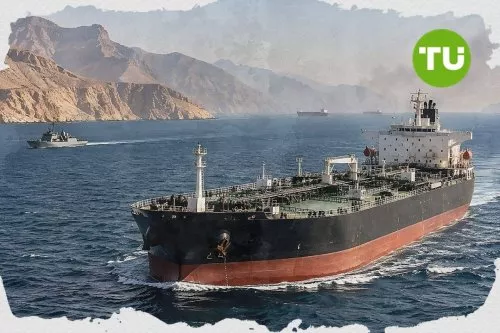
WTI has staged a sharp rebound after renewed tensions between the United States and Iran reignited concerns about crude supply security. Fresh attacks involving commercial shipping in the Strait of Hormuz and Washington's decision to tighten pressure on Iranian oil exports have revived the geopolitical risk premium, lifting crude prices from recent lows.

Markets remain highly sensitive to any signs of disruption across one of the world's most important energy transit routes.
Supply outlook continues to limit sustained upside
Despite the latest rally, the broader fundamental backdrop remains mixed. OPEC+ continues to gradually increase production, while energy agencies expect additional Middle Eastern supply to return over the coming quarters as exports normalize. These factors continue to offset part of the geopolitical premium and reduce the likelihood of a prolonged supply deficit if the conflict does not escalate further.
Technical picture still favors the broader downtrend
The hourly chart shows WTI rebounding strongly from recent lows and trading back above its short and medium-term moving averages. However, the price remains below the declining 200-period moving average, while the long-term sequence of lower highs and lower lows has not yet been broken. As a result, the current advance should be viewed as a recovery within the broader bearish trend rather than confirmation of a full trend reversal. A sustained break above longer-term resistance would be required before the technical outlook turns decisively constructive.
Outlook
Near-term price action will remain heavily driven by geopolitical headlines. Any further escalation between the United States and Iran or additional disruption to shipping through the Strait of Hormuz could extend the recovery. Even so, traders are also weighing higher expected OPEC+ production, the prospect of recovering regional exports, and uncertainty surrounding global demand. Unless those longer-term headwinds begin to fade, rallies may continue to face selling pressure despite elevated geopolitical risk.
Long-term outlook, as stated in WTI stabilizes as rising supply meets resilient demand, remains negative.





Latest WTI News




-
 Afghanistan
-
 Albania
-
 Algeria
-
 Angola
-
 Argentina
-
 Armenia
-
 Australia
-
 Austria
-
 Azerbaijan
-
 Bahamas
-
 Bahrain
-
 Bangladesh
-
 Belarus
-
 Belgium
-
 Bolivia
-
 Botswana
-
 Brazil
-
 Brunei
-
 Bulgaria
-
 Cambodia
-
 Cameroon
-
 Canada
-
 Chile
Chile
-
 China
China
-
 Colombia
-
 Congo
Congo
-
 Costa Rica
-
 Cote d'Ivoire
-
 Croatia
-
 Cuba
Cuba
-
 Cyprus
-
 Czechia
-
 DR Congo
-
 Denmark
-
 Dominican Republic
-
 Ecuador
-
 Egypt
Egypt
-
 El Salvador
-
 Estonia
-
 Eswatini
-
 Ethiopia
-
 Finland
-
 France
-
 Georgia
-
 Germany
-
 Ghana
Ghana
-
 Greece
-
 Haiti
Haiti
-
 Hong Kong
-
 Hungary
-
 India
India
-
 Indonesia
-
 Iran, Islamic republic
-
 Iraq
Iraq
-
 Ireland
-
 Israel
-
 Italy
Italy
-
 Jamaica
-
 Japan
Japan
-
 Jordan
-
 Kazakhstan
-
 Kenya
Kenya
-
 Korea
Korea
-
 Kuwait
-
 Kyrgyzstan
-
 Laos
Laos
-
 Latvia
-
 Lebanon
-
 Lesotho
-
 Libya
Libya
-
 Lithuania
-
 Luxembourg
-
 Madagascar
-
 Malaysia
-
 Malta
Malta
-
 Mauritius
-
 Mexico
-
 Moldova
-
 Mongolia
-
 Montenegro
-
 Morocco
-
 Mozambique
-
 Myanmar
-
 Namibia
-
 Nepal
Nepal
-
 Netherlands
-
 New Zealand
-
 Nigeria
-
 North Macedonia
-
 Norway
-
 Oman
Oman
-
 Pakistan
-
 Palestine
-
 Panama
-
 Papua New Guinea
-
 Paraguay
-
 Peru
Peru
-
 Philippines
-
 Poland
-
 Portugal
-
 Puerto Rico
-
 Qatar
Qatar
-
 Reunion
-
 Romania
-
 Rwanda
-
 Saudi Arabia
-
 Serbia
-
 Singapore
-
 Slovakia
-
 Slovenia
-
 Somalia
-
 South Africa
-
 Spain
Spain
-
 Sri Lanka
-
 Sweden
-
 Switzerland
-
 Syria
Syria
-
 Taiwan
-
 Tajikistan
-
 Tanzania
-
 Thailand
-
 Trinidad and Tobago
-
 Tunisia
-
 Turkey
-
 UAE
UAE
-
 Uganda
-
 Ukraine
-
 United Kingdom
-
United States
-
 Uruguay
-
 Uzbekistan
-
 Venezuela
-
 Vietnam
-
 Yemen
Yemen
-
 Zambia
-
 Zimbabwe
- Forex
- Crypto












