
U.S. container imports rise in June as buyers accelerate shipments
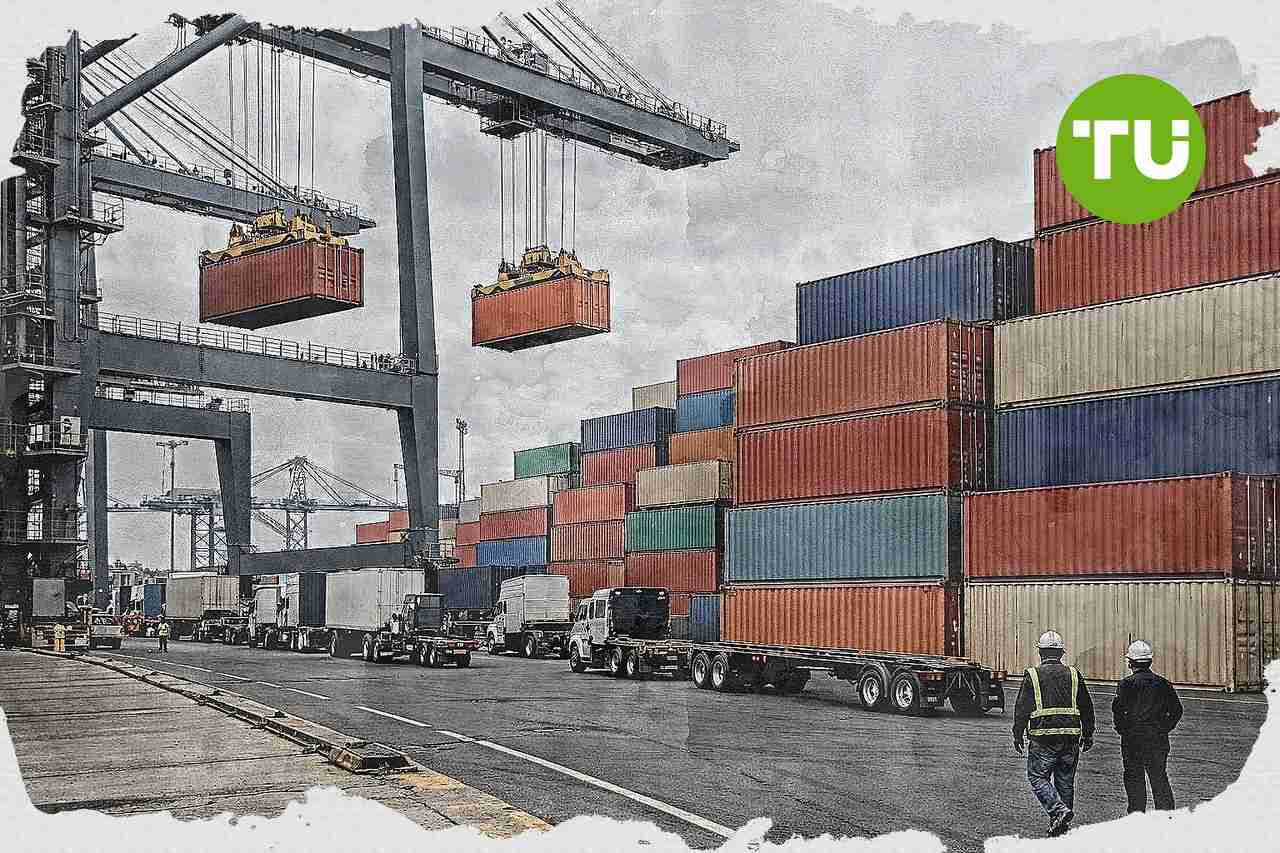
Import demand at U.S. seaports strengthens in June as companies bring in goods before higher freight expenses and possible tariff changes take effect. The increase is driven largely by shipments from China, even as total imports for the first half of 2026 remain slightly below the same period a year earlier.
Highlights
- U.S. container imports rose 8.2% year-on-year in June to 2,400,627 TEUs as buyers accelerated shipments ahead of cost increases.
- Importers advanced cargo arrivals to beat a July 1 ocean freight contract price hike caused by higher fuel costs from the U.S.-Israeli war in Iran and impending forced labor tariffs.
- China shipments surged 27.4% to 814,474 TEUs, driving June's growth, but U.S. first-half 2026 imports remain down 0.3% versus 2025, pointing to short-term scheduling shifts.
June import surge ahead of cost increases
As reported by Reuters, Descartes Systems Group says U.S. container imports rise 8.2% in June from a year earlier to 2,400,627 20-foot equivalent units, as buyers move faster to avoid expected cost increases and trade restrictions.Analysts and shippers say many importers bring cargo forward before a July 1 increase in ocean freight costs. Those higher contract costs reflect additional fuel expenses linked to the oil price spike that results from the U.S.-Israeli war in Iran.
The U.S. is also expected to impose new tariffs tied to forced labor at the end of July, adding another incentive for companies to accelerate shipments.
China volumes support broader port activity
China accounts for most of the year-over-year growth in June imports, with shipment volume from the country jumping 27.4% to 814,474 TEUs, according to Descartes Systems Group.Despite the June increase, Descartes says U.S. imports for the first half of 2026 are down 0.3% from the same period in 2025. The figures suggest importers are adjusting shipping schedules around near-term cost and tariff pressures rather than signaling a broader sustained rebound in cargo demand.
Our earlier coverage of the latest U.S.-Iran escalation highlighted how renewed risks around the Strait of Hormuz pushed oil prices higher and made investors more cautious in U.S. equity futures. We also noted that markets were weighing the inflationary impact of higher energy costs alongside the Fed’s rate outlook, with upcoming minutes in focus for signals on policy direction.















-
 Afghanistan
-
 Albania
-
 Algeria
-
 Angola
-
 Argentina
-
 Armenia
-
 Australia
-
 Austria
-
 Azerbaijan
-
 Bahamas
-
 Bahrain
-
 Bangladesh
-
 Belarus
-
 Belgium
-
 Bolivia
-
 Botswana
-
 Brazil
-
 Brunei
-
 Bulgaria
-
 Cambodia
-
 Cameroon
-
 Canada
-
 Chile
Chile
-
 China
China
-
 Colombia
-
 Congo
Congo
-
 Costa Rica
-
 Cote d'Ivoire
-
 Croatia
-
 Cuba
Cuba
-
 Cyprus
-
 Czechia
-
 DR Congo
-
 Denmark
-
 Dominican Republic
-
 Ecuador
-
 Egypt
Egypt
-
 El Salvador
-
 Estonia
-
 Eswatini
-
 Ethiopia
-
 Finland
-
 France
-
 Georgia
-
 Germany
-
 Ghana
Ghana
-
 Greece
-
 Haiti
Haiti
-
 Hong Kong
-
 Hungary
-
 India
India
-
 Indonesia
-
 Iran, Islamic republic
-
 Iraq
Iraq
-
 Ireland
-
 Israel
-
 Italy
Italy
-
 Jamaica
-
 Japan
Japan
-
 Jordan
-
 Kazakhstan
-
 Kenya
Kenya
-
 Korea
Korea
-
 Kuwait
-
 Kyrgyzstan
-
 Laos
Laos
-
 Latvia
-
 Lebanon
-
 Lesotho
-
 Libya
Libya
-
 Lithuania
-
 Luxembourg
-
 Madagascar
-
 Malaysia
-
 Malta
Malta
-
 Mauritius
-
 Mexico
-
 Moldova
-
 Mongolia
-
 Montenegro
-
 Morocco
-
 Mozambique
-
 Myanmar
-
 Namibia
-
 Nepal
Nepal
-
 Netherlands
-
 New Zealand
-
 Nigeria
-
 North Macedonia
-
 Norway
-
 Oman
Oman
-
 Pakistan
-
 Palestine
-
 Panama
-
 Papua New Guinea
-
 Paraguay
-
 Peru
Peru
-
 Philippines
-
 Poland
-
 Portugal
-
 Puerto Rico
-
 Qatar
Qatar
-
 Reunion
-
 Romania
-
 Rwanda
-
 Saudi Arabia
-
 Serbia
-
 Singapore
-
 Slovakia
-
 Slovenia
-
 Somalia
-
 South Africa
-
 Spain
Spain
-
 Sri Lanka
-
 Sweden
-
 Switzerland
-
 Syria
Syria
-
 Taiwan
-
 Tajikistan
-
 Tanzania
-
 Thailand
-
 Trinidad and Tobago
-
 Tunisia
-
 Turkey
-
 UAE
UAE
-
 Uganda
-
 Ukraine
-
 United Kingdom
-
United States
-
 Uruguay
-
 Uzbekistan
-
 Venezuela
-
 Vietnam
-
 Yemen
Yemen
-
 Zambia
-
 Zimbabwe
- Forex
- Crypto











