
U.S. power sector faces equipment shortages as data center demand surges
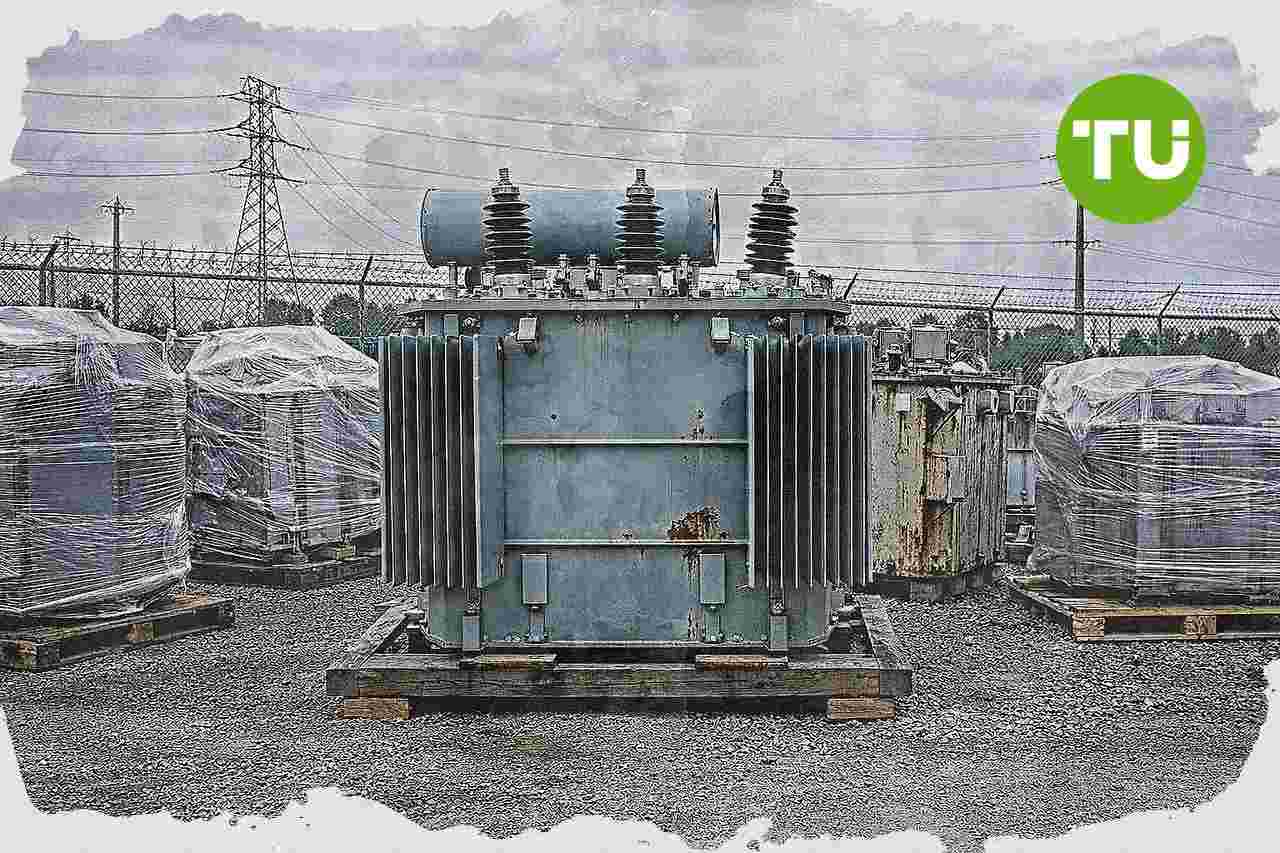
A rapid expansion of artificial intelligence data centers is intensifying shortages of transformers and other critical power grid equipment across the U.S. The strain is extending delivery times to multiple years, raising costs and forcing utilities and developers to secure supplies much earlier in project planning.
Highlights
- Lead times for generator step-up transformers in the U.S. exceeded 160 weeks for Q1 2026, up from 143 weeks in 2024, driven by surging data center demand.
- Wood Mackenzie projects U.S. data center capacity will climb from 24 GW now to 110 GW by 2030, raising data centers' share of the electrical equipment market to as much as 40%.
- Utilities and developers are mitigating equipment shortages by expanding procurement lead times to as much as five years, sourcing more from overseas, and offering upfront payments to secure supply.
Supply bottlenecks deepen amid AI buildout
As reported by Reuters, shortages of transformers have persisted for about five years as demand rebounds faster than supply after COVID-19-related lockdowns, and the buildout of AI infrastructure is now putting additional pressure on the market.Ben Boucher, a senior analyst at Wood Mackenzie, said equipment availability is becoming the biggest concern for developers because of the importance of speed to market. He said large power transformers are seeing the sharpest shortages, while growing data center construction is also lifting demand for circuit breakers and switchgear, which are expected to face wider market deficits.
Wood Mackenzie estimates U.S. data center capacity is set to reach 110 gigawatts by 2030 from about 24 gigawatts currently. Under accelerated scenarios, data centers' share of the electrical equipment market could rise to 40%, from just under 2% in 2020.
According to Boucher, lead times for generator step-up transformers exceeded 160 weeks in the first quarter of 2026, compared with an average of 143 weeks in 2024. High-voltage circuit breaker lead times rose to 125 weeks in the second half of last year, versus 77 weeks in 2023, while transformer prices could increase by about 4% to 10% over the next year depending on the type.
Utilities adjust procurement and sourcing strategies
Long waits for equipment are complicating efforts by the power industry to add supply quickly enough to meet faster-rising data center electricity demand and contain higher prices. Last month, federal regulators ordered grid operators to examine new protocols to speed connections for data centers and other large energy users.Louis Finkel, senior vice president of government relations at the National Rural Electric Cooperative Association, said long-term supply agreements can ease some pressure but do not fully solve the problem, especially for smaller utilities without the same scale. In response, utilities and developers are purchasing equipment far earlier, refurbishing older transformers, asking customers to pre-pay for long-lead items and broadening their supplier base.
California's Roseville Electric Utility now plans equipment purchases on a three-year timeline instead of about one year, its CEO Dan Beans said. With wait times for large substation transformers extending beyond three years, the utility is also buying equipment for projects it expects five years ahead.
Miska Pukkila, senior manager of strategic sourcing at Wärtsilä Energy Storage, said developers are increasingly using multiple suppliers across different geographies and locking in delivery through long-term agreements. Beans said about three-fourths of bids to Roseville Electric Utility now come from overseas suppliers such as China and South Korea, as domestic suppliers usually quote longer lead times and higher prices.
In some cases, utilities and developers are also offering more favorable payment terms or paying upfront to secure earlier production slots, Pukkila said. Over the longer term, the industry is looking at delaying some power plant retirements and expanding domestic manufacturing capacity to reduce equipment bottlenecks and other project delays.
Our earlier report on Meta’s planned 1 gigawatt data center in Alberta explained how the company is expanding its AI infrastructure footprint with a roughly $9 billion, multi-year build. It also highlighted the scale of capital spending and the need to coordinate power planning with local grid and energy partners, alongside community concerns tied to large data centers’ environmental impact.



Latest National Grid News





-
 Afghanistan
-
 Albania
-
 Algeria
-
 Angola
-
 Argentina
-
 Armenia
-
 Australia
-
 Austria
-
 Azerbaijan
-
 Bahamas
-
 Bahrain
-
 Bangladesh
-
 Belarus
-
 Belgium
-
 Bolivia
-
 Botswana
-
 Brazil
-
 Brunei
-
 Bulgaria
-
 Cambodia
-
 Cameroon
-
 Canada
-
 Chile
Chile
-
 China
China
-
 Colombia
-
 Congo
Congo
-
 Costa Rica
-
 Cote d'Ivoire
-
 Croatia
-
 Cuba
Cuba
-
 Cyprus
-
 Czechia
-
 DR Congo
-
 Denmark
-
 Dominican Republic
-
 Ecuador
-
 Egypt
Egypt
-
 El Salvador
-
 Estonia
-
 Eswatini
-
 Ethiopia
-
 Finland
-
 France
-
 Georgia
-
 Germany
-
 Ghana
Ghana
-
 Greece
-
 Haiti
Haiti
-
 Hong Kong
-
 Hungary
-
 India
India
-
 Indonesia
-
 Iran, Islamic republic
-
 Iraq
Iraq
-
 Ireland
-
 Israel
-
 Italy
Italy
-
 Jamaica
-
 Japan
Japan
-
 Jordan
-
 Kazakhstan
-
 Kenya
Kenya
-
 Korea
Korea
-
 Kuwait
-
 Kyrgyzstan
-
 Laos
Laos
-
 Latvia
-
 Lebanon
-
 Lesotho
-
 Libya
Libya
-
 Lithuania
-
 Luxembourg
-
 Madagascar
-
 Malaysia
-
 Malta
Malta
-
 Mauritius
-
 Mexico
-
 Moldova
-
 Mongolia
-
 Montenegro
-
 Morocco
-
 Mozambique
-
 Myanmar
-
 Namibia
-
 Nepal
Nepal
-
 Netherlands
-
 New Zealand
-
 Nigeria
-
 North Macedonia
-
 Norway
-
 Oman
Oman
-
 Pakistan
-
 Palestine
-
 Panama
-
 Papua New Guinea
-
 Paraguay
-
 Peru
Peru
-
 Philippines
-
 Poland
-
 Portugal
-
 Puerto Rico
-
 Qatar
Qatar
-
 Reunion
-
 Romania
-
 Rwanda
-
 Saudi Arabia
-
 Serbia
-
 Singapore
-
 Slovakia
-
 Slovenia
-
 Somalia
-
 South Africa
-
 Spain
Spain
-
 Sri Lanka
-
 Sweden
-
 Switzerland
-
 Syria
Syria
-
 Taiwan
-
 Tajikistan
-
 Tanzania
-
 Thailand
-
 Trinidad and Tobago
-
 Tunisia
-
 Turkey
-
 UAE
UAE
-
 Uganda
-
 Ukraine
-
 United Kingdom
-
United States
-
 Uruguay
-
 Uzbekistan
-
 Venezuela
-
 Vietnam
-
 Yemen
Yemen
-
 Zambia
-
 Zimbabwe
- Forex
- Crypto











