
U.S. auto market shifts toward hybrids as EV demand weakens
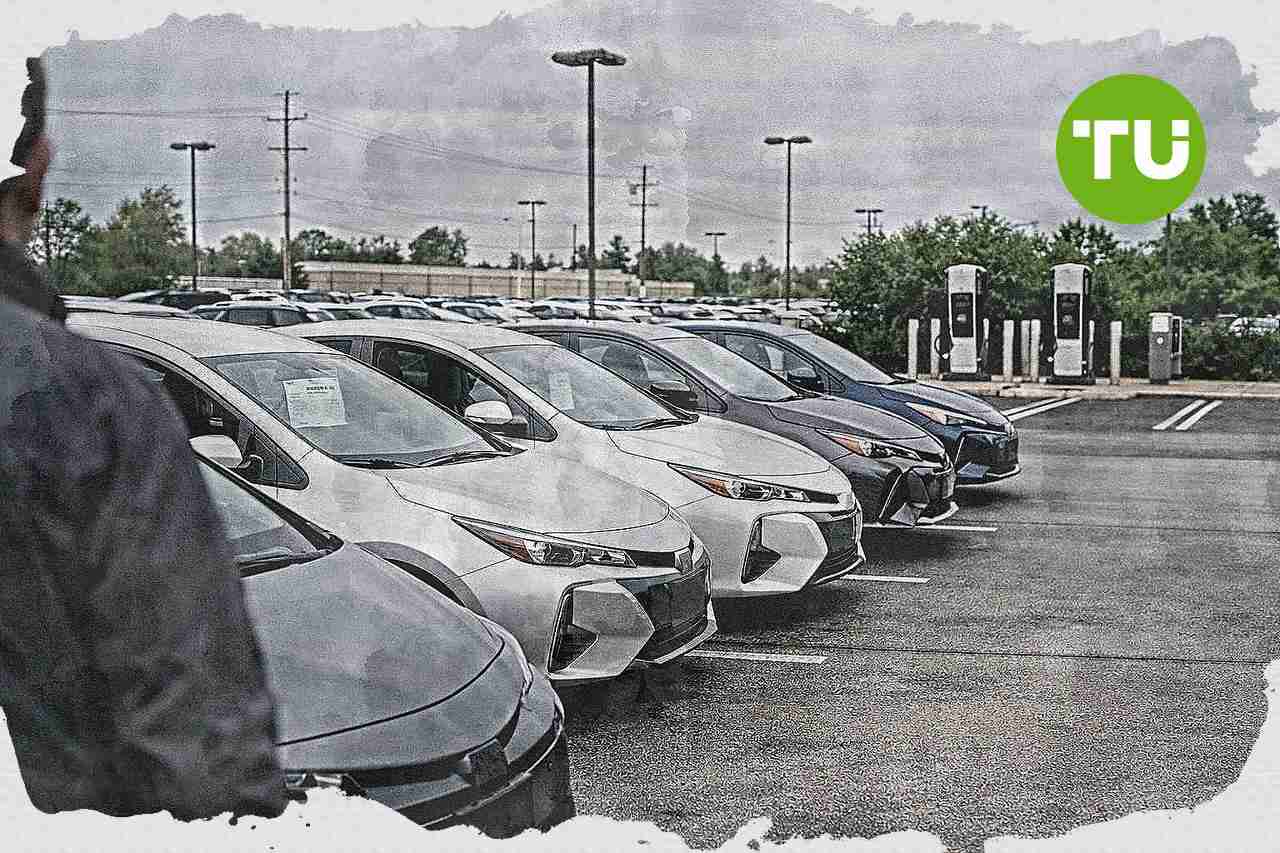
Rising fuel costs and the end of purchase incentives are reshaping how U.S. drivers approach vehicle electrification in the first half of 2026. Conventional hybrid sales rise by almost a fifth from a year earlier while pure battery EV sales fall by a quarter, pointing to a broader change in consumer demand and automaker strategy.
Highlights
- U.S. auto consumers are shifting demand toward hybrids as Iran war-driven fuel price hikes and expiring EV subsidies deter full electric vehicle purchases.
- Automakers, after multibillion-dollar write-downs on EV programs, are accelerating hybrid model development and rollout across the U.S. market.
- This hybrid preference is reshaping the U.S. electrification path, diverging from China’s battery EV focus and impacting industry strategy through the decade.
Sales trends reshape electrification path
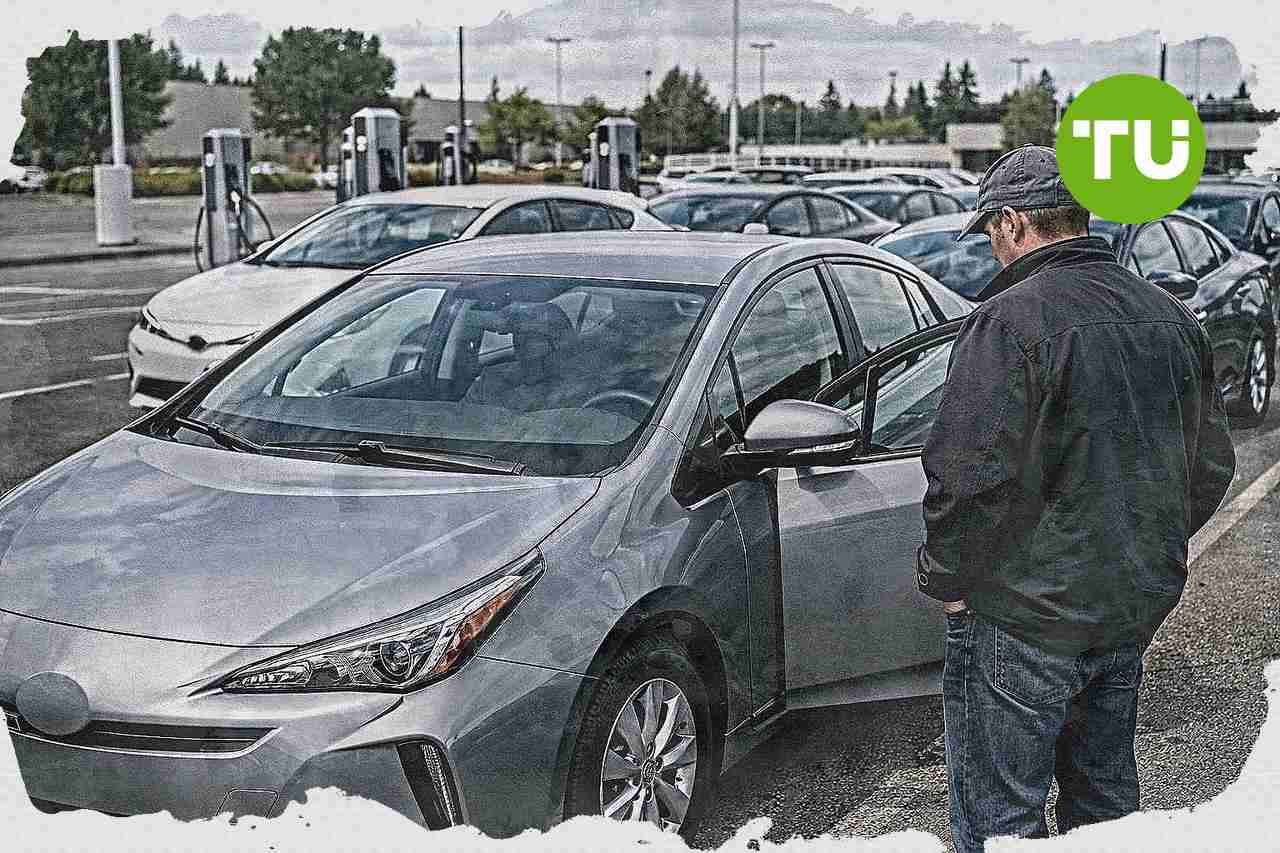
As reported by Bloomberg, U.S. consumers are increasingly favoring hybrids that combine internal combustion engines with electric drivetrains but do not need to be plugged in for recharging. That shift comes as the Iran war pushes up pump prices and the removal of EV subsidies makes fully electric models less attractive to buyers.The change in demand is emerging as a meaningful turning point for the market because hybrids offer some fuel savings without requiring charging infrastructure or the higher upfront commitment often associated with battery-only vehicles. The contrast between stronger hybrid sales and weaker EV volumes suggests the transition to lower-emission driving is continuing, but along a different route than many policymakers and manufacturers had expected.
Automakers back hybrids over full EVs
A deeper factor behind the trend is that many auto companies prefer producing hybrids over fully electric vehicles. After a wave of multibillion-dollar write-downs tied to EV programs, manufacturers are preparing a broader rollout of hybrid models.That expansion is set to influence the direction of U.S. vehicle electrification through the rest of the decade. It also reinforces the widening divide with China, where the market has moved further toward battery EVs, leaving the U.S. on a more mixed powertrain path.
Our earlier coverage of the U.S.-Iran escalation around the Strait of Hormuz explained how renewed strikes and retaliatory attacks on shipping raised the risk of disruption to a key global energy corridor. We noted that the flare-up pushed Brent crude sharply higher and increased uncertainty over oil and gas flows, adding volatility that can quickly feed into fuel prices.



Latest Volkswagen News




-
 Afghanistan
-
 Albania
-
 Algeria
-
 Angola
-
 Argentina
-
 Armenia
-
 Australia
-
 Austria
-
 Azerbaijan
-
 Bahamas
-
 Bahrain
-
 Bangladesh
-
 Belarus
-
 Belgium
-
 Bolivia
-
 Botswana
-
 Brazil
-
 Brunei
-
 Bulgaria
-
 Cambodia
-
 Cameroon
-
 Canada
-
 Chile
Chile
-
 China
China
-
 Colombia
-
 Congo
Congo
-
 Costa Rica
-
 Cote d'Ivoire
-
 Croatia
-
 Cuba
Cuba
-
 Cyprus
-
 Czechia
-
 DR Congo
-
 Denmark
-
 Dominican Republic
-
 Ecuador
-
 Egypt
Egypt
-
 El Salvador
-
 Estonia
-
 Eswatini
-
 Ethiopia
-
 Finland
-
 France
-
 Georgia
-
 Germany
-
 Ghana
Ghana
-
 Greece
-
 Haiti
Haiti
-
 Hong Kong
-
 Hungary
-
 India
India
-
 Indonesia
-
 Iran, Islamic republic
-
 Iraq
Iraq
-
 Ireland
-
 Israel
-
 Italy
Italy
-
 Jamaica
-
 Japan
Japan
-
 Jordan
-
 Kazakhstan
-
 Kenya
Kenya
-
 Korea
Korea
-
 Kuwait
-
 Kyrgyzstan
-
 Laos
Laos
-
 Latvia
-
 Lebanon
-
 Lesotho
-
 Libya
Libya
-
 Lithuania
-
 Luxembourg
-
 Madagascar
-
 Malaysia
-
 Malta
Malta
-
 Mauritius
-
 Mexico
-
 Moldova
-
 Mongolia
-
 Montenegro
-
 Morocco
-
 Mozambique
-
 Myanmar
-
 Namibia
-
 Nepal
Nepal
-
 Netherlands
-
 New Zealand
-
 Nigeria
-
 North Macedonia
-
 Norway
-
 Oman
Oman
-
 Pakistan
-
 Palestine
-
 Panama
-
 Papua New Guinea
-
 Paraguay
-
 Peru
Peru
-
 Philippines
-
 Poland
-
 Portugal
-
 Puerto Rico
-
 Qatar
Qatar
-
 Reunion
-
 Romania
-
 Rwanda
-
 Saudi Arabia
-
 Serbia
-
 Singapore
-
 Slovakia
-
 Slovenia
-
 Somalia
-
 South Africa
-
 Spain
Spain
-
 Sri Lanka
-
 Sweden
-
 Switzerland
-
 Syria
Syria
-
 Taiwan
-
 Tajikistan
-
 Tanzania
-
 Thailand
-
 Trinidad and Tobago
-
 Tunisia
-
 Turkey
-
 UAE
UAE
-
 Uganda
-
 Ukraine
-
 United Kingdom
-
United States
-
 Uruguay
-
 Uzbekistan
-
 Venezuela
-
 Vietnam
-
 Yemen
Yemen
-
 Zambia
-
 Zimbabwe
- Forex
- Crypto











