
EU industry weathers China competition as import shift masks limited market damage
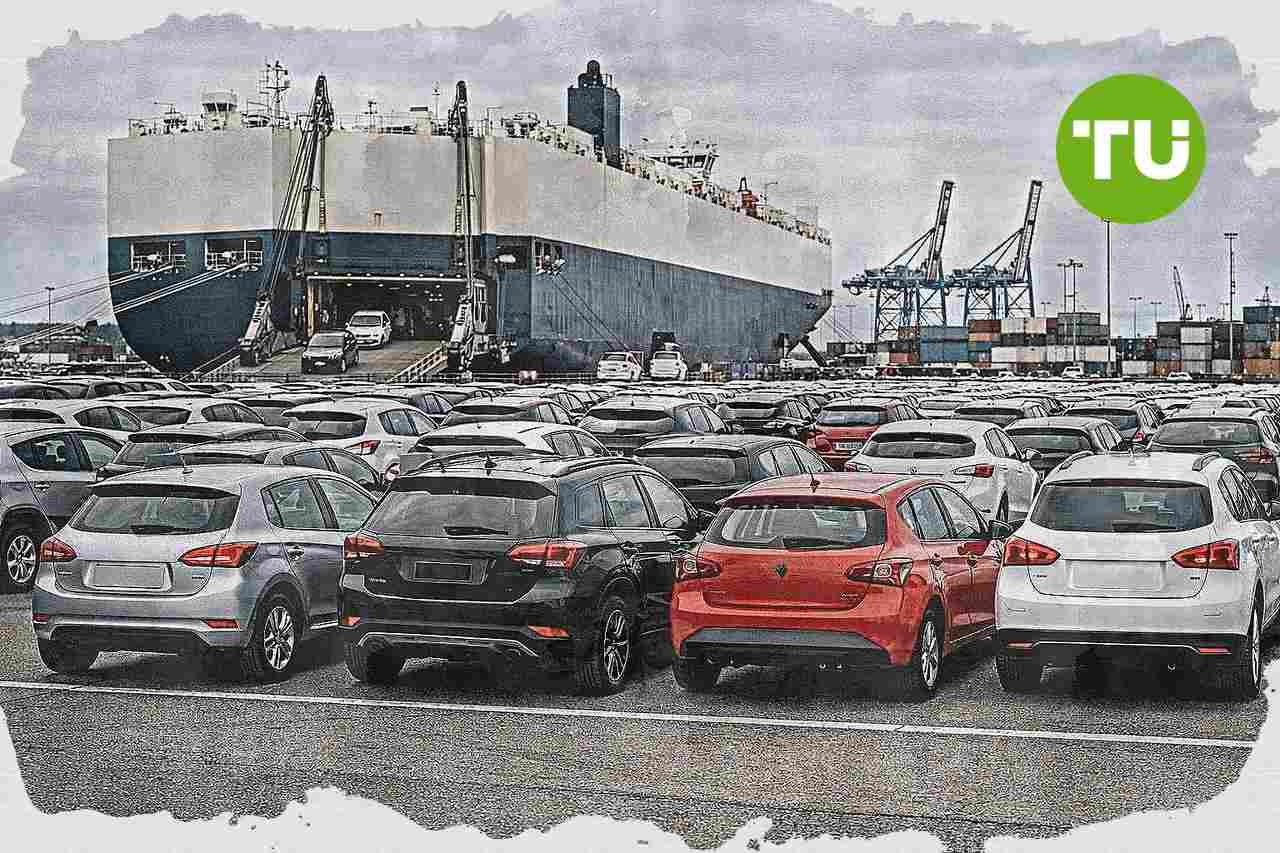
European policymakers are debating a tougher China strategy as concerns grow over the impact of Chinese competition on the bloc’s industrial base. But trade patterns across the EU economy suggest Chinese gains are often replacing other foreign suppliers rather than displacing European producers.
Highlights
- Chinese passenger car imports into the EU rose from 750,000 in 2023 to over 1 million in 2025, but total car shipments stayed flat, indicating China is displacing other non-EU exporters.
- EU import volumes from China grew 42% since December 2019 versus a 4% rise in total import volumes, with overall imports as a share of GDP unchanged, signaling market share shifts, not broader import-driven damage.
- The EU is now a net exporter of electric vehicles for the first time, with export unit values roughly double those of imports, indicating a shift to higher-value-added manufacturing.
Trade data challenge the China shock narrative
As reported by Financial Times, the argument that Europe faces a broad new "China shock" overlooks evidence that rising Chinese imports have not produced a comparable surge in total import penetration across the EU economy.The article points to the car sector, where Chinese passenger car imports into the EU rose from 750,000 in 2023 to just over 1 million in 2025, according to the manufacturers’ trade body. But total car shipments into the EU remained steady, indicating that Chinese producers are taking share mainly from other non-EU exporters rather than from the bloc’s own manufacturers.
The same pattern appears more widely in research cited from analyst firm Gavekal. Cedric Gemehl says EU import volumes from China are up 42% since December 2019, while total EU import volume increases just 4% over the same five-year period, suggesting a change in sourcing rather than an unchecked flood of imports into the European market.
Gavekal’s analysis also finds overall EU imports as a share of GDP remain in line with pre-pandemic levels. That points to a competitive adjustment in supplier composition, with China gaining ground at the expense of partners including the UK, the U.S., Switzerland and Japan, rather than a materially larger threat to EU producers in their home market.
Export resilience supports higher-value industrial shift
On the export side, the EU is holding up better than the current political debate suggests. The bloc maintains a robust trade surplus once large swings in energy trade are stripped out, and export unit values continue to rise even as volumes stay broadly stable.That combination indicates European industry is not facing a generalized collapse in competitiveness. Instead, the picture is of manufacturers adapting to new pressures by moving further toward higher-value-added production, even as some companies and sectors face sharper strain than others.
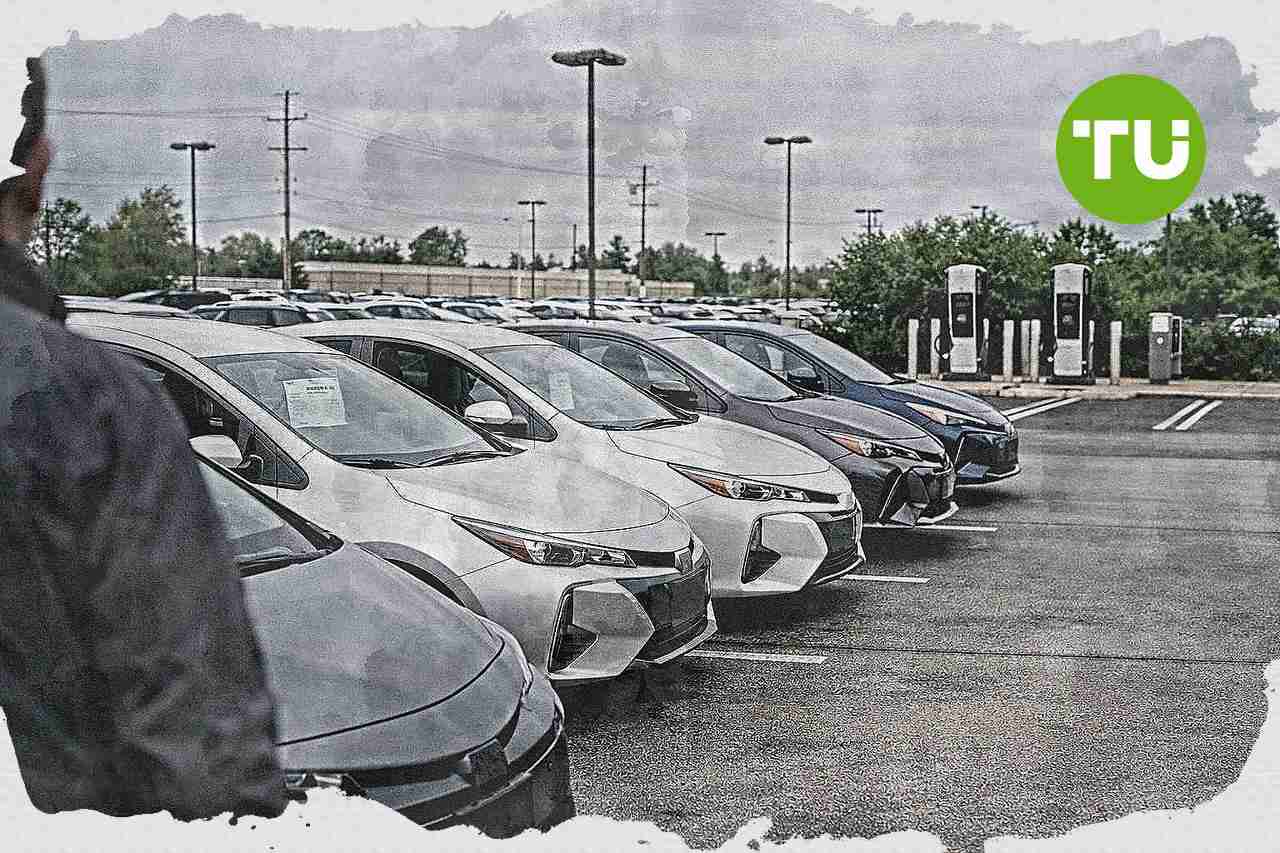
The electric vehicle market offers a similar signal. Citing another Gavekal note, the article says the EU is now a growing net exporter of EVs, with recent data showing it exports more units than it imports for the first time since EV trade began to scale up.
Value data reinforce that trend. While EV trade volumes are broadly balanced, EU export unit values are about double those of imports, suggesting Europe is selling more expensive vehicles while importing cheaper ones. The article concludes that problems at Volkswagen, and potentially in parts of Germany’s industrial system, should not be treated as proof of a wider European industrial crisis.
Our earlier coverage of the European Commission’s draft electrification plan explained how the EU is seeking to reduce exposure to volatile oil and gas markets after a fresh energy price shock pushed up the bloc’s import bill. The proposal outlined a 2040 electrification target and a package of tools—such as possible VAT cuts for EVs, batteries and heat pumps, funding auctions for electrified industry, and steps to phase out fossil-fuel subsidies—to accelerate the shift in transport, heating and manufacturing.



Latest Volkswagen News





-
 Afghanistan
-
 Albania
-
 Algeria
-
 Angola
-
 Argentina
-
 Armenia
-
 Australia
-
 Austria
-
 Azerbaijan
-
 Bahamas
-
 Bahrain
-
 Bangladesh
-
 Belarus
-
 Belgium
-
 Bolivia
-
 Botswana
-
 Brazil
-
 Brunei
-
 Bulgaria
-
 Cambodia
-
 Cameroon
-
 Canada
-
 Chile
Chile
-
 China
China
-
 Colombia
-
 Congo
Congo
-
 Costa Rica
-
 Cote d'Ivoire
-
 Croatia
-
 Cuba
Cuba
-
 Cyprus
-
 Czechia
-
 DR Congo
-
 Denmark
-
 Dominican Republic
-
 Ecuador
-
 Egypt
Egypt
-
 El Salvador
-
 Estonia
-
 Eswatini
-
 Ethiopia
-
 Finland
-
 France
-
 Georgia
-
 Germany
-
 Ghana
Ghana
-
 Greece
-
 Haiti
Haiti
-
 Hong Kong
-
 Hungary
-
 India
India
-
 Indonesia
-
 Iran, Islamic republic
-
 Iraq
Iraq
-
 Ireland
-
 Israel
-
 Italy
Italy
-
 Jamaica
-
 Japan
Japan
-
 Jordan
-
 Kazakhstan
-
 Kenya
Kenya
-
 Korea
Korea
-
 Kuwait
-
 Kyrgyzstan
-
 Laos
Laos
-
 Latvia
-
 Lebanon
-
 Lesotho
-
 Libya
Libya
-
 Lithuania
-
 Luxembourg
-
 Madagascar
-
 Malaysia
-
 Malta
Malta
-
 Mauritius
-
 Mexico
-
 Moldova
-
 Mongolia
-
 Montenegro
-
 Morocco
-
 Mozambique
-
 Myanmar
-
 Namibia
-
 Nepal
Nepal
-
 Netherlands
-
 New Zealand
-
 Nigeria
-
 North Macedonia
-
 Norway
-
 Oman
Oman
-
 Pakistan
-
 Palestine
-
 Panama
-
 Papua New Guinea
-
 Paraguay
-
 Peru
Peru
-
 Philippines
-
 Poland
-
 Portugal
-
 Puerto Rico
-
 Qatar
Qatar
-
 Reunion
-
 Romania
-
 Rwanda
-
 Saudi Arabia
-
 Serbia
-
 Singapore
-
 Slovakia
-
 Slovenia
-
 Somalia
-
 South Africa
-
 Spain
Spain
-
 Sri Lanka
-
 Sweden
-
 Switzerland
-
 Syria
Syria
-
 Taiwan
-
 Tajikistan
-
 Tanzania
-
 Thailand
-
 Trinidad and Tobago
-
 Tunisia
-
 Turkey
-
 UAE
UAE
-
 Uganda
-
 Ukraine
-
 United Kingdom
-
United States
-
 Uruguay
-
 Uzbekistan
-
 Venezuela
-
 Vietnam
-
 Yemen
Yemen
-
 Zambia
-
 Zimbabwe
- Forex
- Crypto











