

U.S.-Iran technical talks continue as strikes pressure Middle East oil outlook
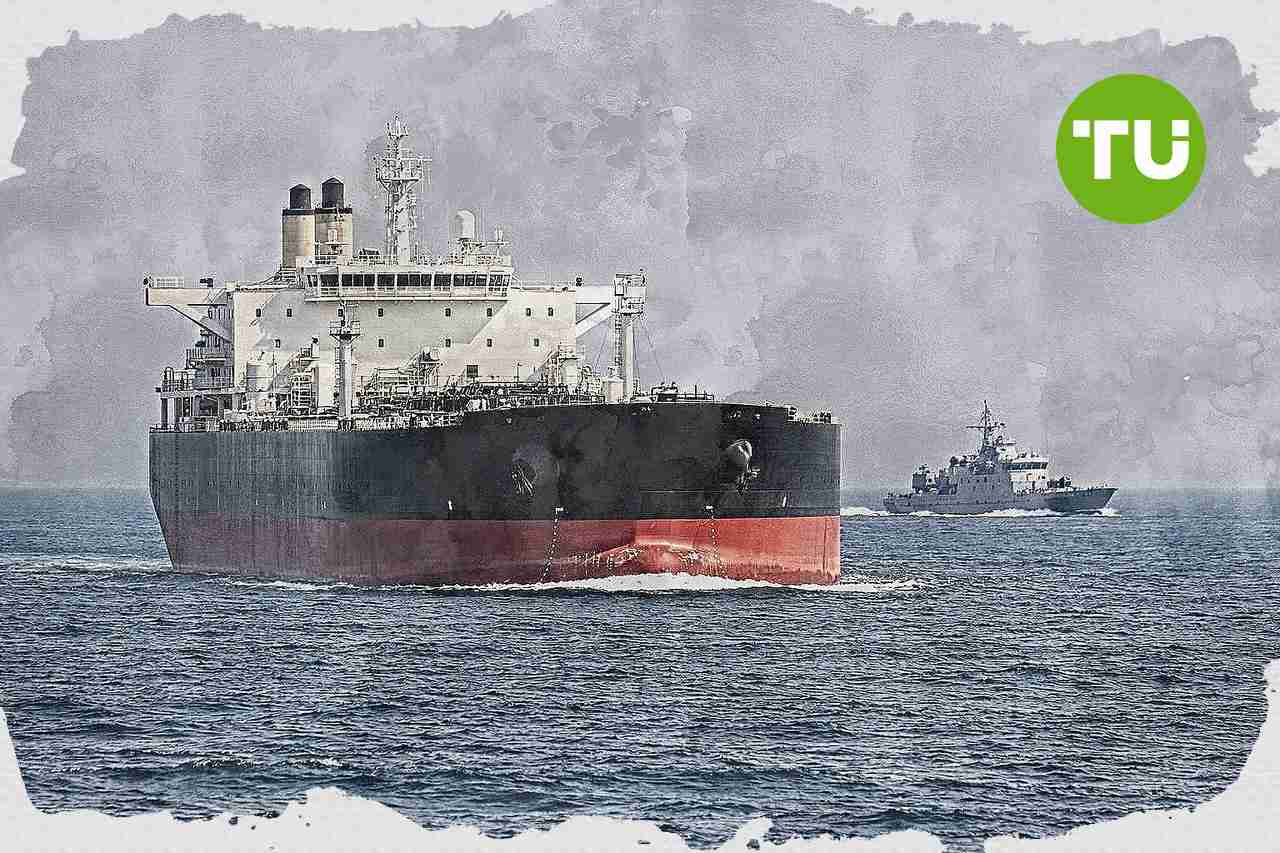
Tensions in the Middle East remain elevated after a ceasefire signed last month comes under renewed strain from consecutive U.S. and Iranian strikes this week. The planned technical talks keep a diplomatic channel open even as Washington questions whether Tehran would honor any new agreement.
Highlights
- U.S. continues 'technical talks' with Iran, maintaining a diplomatic channel despite renewed airstrikes and Trump declaring the ceasefire 'over' at the NATO summit.
- U.S. military launches new strikes on Iran and Treasury withdraws an oil waiver, escalating tensions over Iran's actions in the Strait of Hormuz and impacting sanctions policy.
- Brent crude futures for September fall to $76.3 per barrel and U.S. WTI crude trades at $71.87, as heightened Middle East tensions weigh on oil prices.
Diplomatic channel stays open amid ceasefire strain
As reported by CNBC, citing MS Now, a U.S. official says Washington will continue “technical talks” with Iran and remains committed to seeking a solution to the conflict despite the recent exchange of airstrikes.The official says President Donald Trump has made his position clear and describes Iran’s attacks on commercial vessels as “acts of terrorism.” The same official tells MS Now that the memorandum of understanding between the two countries is performance-based, and that Iran’s actions amount to “failed performance at an unacceptable level,” while adding that talks with Tehran will continue.
Those remarks follow Trump’s comments at the NATO summit in Ankara, Turkey, where he says the ceasefire with Iran is “over.” On his way back from the summit, Trump also says Iran has called to make a deal to halt the escalating hostilities, but questions whether Tehran is worthy of an agreement and whether it would honor one.
Oil trade and regional security remain in focus
Iranian officials accuse the U.S. of violating the MOU, citing breaches related to “Iranian adjustments” in the Strait of Hormuz, persistent threats of further strikes and the reinstatement of oil sanctions.The U.S. military conducts renewed offensive strikes against Iran in retaliation for attacks on three commercial vessels transiting the Strait of Hormuz. The U.S. Treasury Department subsequently withdraws a waiver that had allowed Iran to sell its oil, tying the confrontation more directly to energy flows and sanctions policy.
Oil prices are marginally lower on Thursday evening despite the heightened tensions. Brent crude futures for September delivery ease to $76.3 per barrel, while U.S. West Texas Intermediate crude futures trade at $71.87.
In our earlier article on elevated WTI prices amid renewed U.S.–Iran tensions, we explained how a rising geopolitical risk premium was supporting crude on worries about potential disruptions near the Strait of Hormuz. We also noted that mixed U.S. inventory signals were adding to volatility even without a confirmed interruption in oil flows.





Latest General Dynamics Corporation News






-
 Afghanistan
-
 Albania
-
 Algeria
-
 Angola
-
 Argentina
-
 Armenia
-
 Australia
-
 Austria
-
 Azerbaijan
-
 Bahamas
-
 Bahrain
-
 Bangladesh
-
 Belarus
-
 Belgium
-
 Bolivia
-
 Botswana
-
 Brazil
-
 Brunei
-
 Bulgaria
-
 Cambodia
-
 Cameroon
-
 Canada
-
 Chile
Chile
-
 China
China
-
 Colombia
-
 Congo
Congo
-
 Costa Rica
-
 Cote d'Ivoire
-
 Croatia
-
 Cuba
Cuba
-
 Cyprus
-
 Czechia
-
 DR Congo
-
 Denmark
-
 Dominican Republic
-
 Ecuador
-
 Egypt
Egypt
-
 El Salvador
-
 Estonia
-
 Eswatini
-
 Ethiopia
-
 Finland
-
 France
-
 Georgia
-
 Germany
-
 Ghana
Ghana
-
 Greece
-
 Haiti
Haiti
-
 Hong Kong
-
 Hungary
-
 India
India
-
 Indonesia
-
 Iran, Islamic republic
-
 Iraq
Iraq
-
 Ireland
-
 Israel
-
 Italy
Italy
-
 Jamaica
-
 Japan
Japan
-
 Jordan
-
 Kazakhstan
-
 Kenya
Kenya
-
 Korea
Korea
-
 Kuwait
-
 Kyrgyzstan
-
 Laos
Laos
-
 Latvia
-
 Lebanon
-
 Lesotho
-
 Libya
Libya
-
 Lithuania
-
 Luxembourg
-
 Madagascar
-
 Malaysia
-
 Malta
Malta
-
 Mauritius
-
 Mexico
-
 Moldova
-
 Mongolia
-
 Montenegro
-
 Morocco
-
 Mozambique
-
 Myanmar
-
 Namibia
-
 Nepal
Nepal
-
 Netherlands
-
 New Zealand
-
 Nigeria
-
 North Macedonia
-
 Norway
-
 Oman
Oman
-
 Pakistan
-
 Palestine
-
 Panama
-
 Papua New Guinea
-
 Paraguay
-
 Peru
Peru
-
 Philippines
-
 Poland
-
 Portugal
-
 Puerto Rico
-
 Qatar
Qatar
-
 Reunion
-
 Romania
-
 Rwanda
-
 Saudi Arabia
-
 Serbia
-
 Singapore
-
 Slovakia
-
 Slovenia
-
 Somalia
-
 South Africa
-
 Spain
Spain
-
 Sri Lanka
-
 Sweden
-
 Switzerland
-
 Syria
Syria
-
 Taiwan
-
 Tajikistan
-
 Tanzania
-
 Thailand
-
 Trinidad and Tobago
-
 Tunisia
-
 Turkey
-
 UAE
UAE
-
 Uganda
-
 Ukraine
-
 United Kingdom
-
United States
-
 Uruguay
-
 Uzbekistan
-
 Venezuela
-
 Vietnam
-
 Yemen
Yemen
-
 Zambia
-
 Zimbabwe
- Forex
- Crypto












