
Circle wins approval to establish U.S. national trust bank

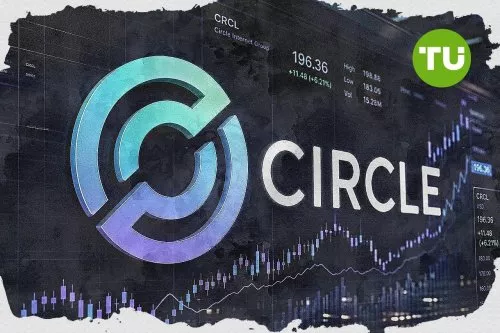
Circle, the issuer of the world’s second-largest stablecoin, USDC, has received approval from the U.S. Office of the Comptroller of the Currency to establish a national trust bank. Such banks can provide custody and fiduciary services but, unlike traditional commercial banks, they do not accept consumer deposits or issue loans.
According to CoinDesk, Circle shares rose 14% in pre-market trading following the news.
“OCC approval to establish Circle National Trust marks a defining step in bringing blockchain technology and digital assets into the core of the U.S. financial system,” Circle CEO Jeremy Allaire said.
According to him, federal oversight of the new bank should set a higher standard for transparency, corporate governance, and the scalability of the company’s infrastructure.
Why Circle needs a trust bank
Once launched, Circle National Trust will provide fiduciary digital asset custody services to Circle and its affiliates. The bank may later serve a limited number of institutional clients, including banks and other regulated financial institutions.
The charter also allows Circle to manage the reserves backing USDC under OCC supervision in the future. However, the company clarified that this remains a potential capability rather than an immediate change to its reserve management model.
Circle applied for the trust bank charter in June 2025 and received conditional approval six months later. The OCC’s final decision places the new entity under direct federal oversight.
The move comes as crypto companies increasingly seek federal licenses and banking status. Crypto.com received OCC approval in February, while BitGo, Circle, Ripple, Paxos, and Fidelity Digital Assets had previously received similar conditional approvals. BitGo’s approval was later upgraded to unconditional status.
Another blow to Tether
For Tether, this is another unfavorable development. While Circle secures federal banking status in the U.S. and strengthens USDC’s position among institutional clients, the issuer of USDT continues to face limited access to regulated markets. Tether did not obtain authorization under MiCA, prompting European platforms to remove USDT from trading pairs or restrict its use for clients in the European Economic Area. This is not a complete ban on the token, but it does reduce its presence on licensed EU platforms.
The gap between the two largest stablecoins is therefore becoming regulatory as well as commercial. Circle is coming under direct federal supervision in the U.S. and may eventually manage USDC reserves through its own trust bank, while Tether continues to rely on global liquidity outside the most tightly regulated jurisdictions. This does not threaten USDT’s leadership in the short term, but it could strengthen USDC’s position in banking settlements, institutional custody, and the European market.
Previously, Circle launched cirBTC on Ethereum for institutional DeFi projects.



Latest Circle News




-
 Afghanistan
-
 Albania
-
 Algeria
-
 Angola
-
 Argentina
-
 Armenia
-
 Australia
-
 Austria
-
 Azerbaijan
-
 Bahamas
-
 Bahrain
-
 Bangladesh
-
 Belarus
-
 Belgium
-
 Bolivia
-
 Botswana
-
 Brazil
-
 Brunei
-
 Bulgaria
-
 Cambodia
-
 Cameroon
-
 Canada
-
 Chile
Chile
-
 China
China
-
 Colombia
-
 Congo
Congo
-
 Costa Rica
-
 Cote d'Ivoire
-
 Croatia
-
 Cuba
Cuba
-
 Cyprus
-
 Czechia
-
 DR Congo
-
 Denmark
-
 Dominican Republic
-
 Ecuador
-
 Egypt
Egypt
-
 El Salvador
-
 Estonia
-
 Eswatini
-
 Ethiopia
-
 Finland
-
 France
-
 Georgia
-
 Germany
-
 Ghana
Ghana
-
 Greece
-
 Haiti
Haiti
-
 Hong Kong
-
 Hungary
-
 India
India
-
 Indonesia
-
 Iran, Islamic republic
-
 Iraq
Iraq
-
 Ireland
-
 Israel
-
 Italy
Italy
-
 Jamaica
-
 Japan
Japan
-
 Jordan
-
 Kazakhstan
-
 Kenya
Kenya
-
 Korea
Korea
-
 Kuwait
-
 Kyrgyzstan
-
 Laos
Laos
-
 Latvia
-
 Lebanon
-
 Lesotho
-
 Libya
Libya
-
 Lithuania
-
 Luxembourg
-
 Madagascar
-
 Malaysia
-
 Malta
Malta
-
 Mauritius
-
 Mexico
-
 Moldova
-
 Mongolia
-
 Montenegro
-
 Morocco
-
 Mozambique
-
 Myanmar
-
 Namibia
-
 Nepal
Nepal
-
 Netherlands
-
 New Zealand
-
 Nigeria
-
 North Macedonia
-
 Norway
-
 Oman
Oman
-
 Pakistan
-
 Palestine
-
 Panama
-
 Papua New Guinea
-
 Paraguay
-
 Peru
Peru
-
 Philippines
-
 Poland
-
 Portugal
-
 Puerto Rico
-
 Qatar
Qatar
-
 Reunion
-
 Romania
-
 Rwanda
-
 Saudi Arabia
-
 Serbia
-
 Singapore
-
 Slovakia
-
 Slovenia
-
 Somalia
-
 South Africa
-
 Spain
Spain
-
 Sri Lanka
-
 Sweden
-
 Switzerland
-
 Syria
Syria
-
 Taiwan
-
 Tajikistan
-
 Tanzania
-
 Thailand
-
 Trinidad and Tobago
-
 Tunisia
-
 Turkey
-
 UAE
UAE
-
 Uganda
-
 Ukraine
-
 United Kingdom
-
United States
-
 Uruguay
-
 Uzbekistan
-
 Venezuela
-
 Vietnam
-
 Yemen
Yemen
-
 Zambia
-
 Zimbabwe
- Forex
- Crypto











