
U.S. housing law takes effect without Trump signature
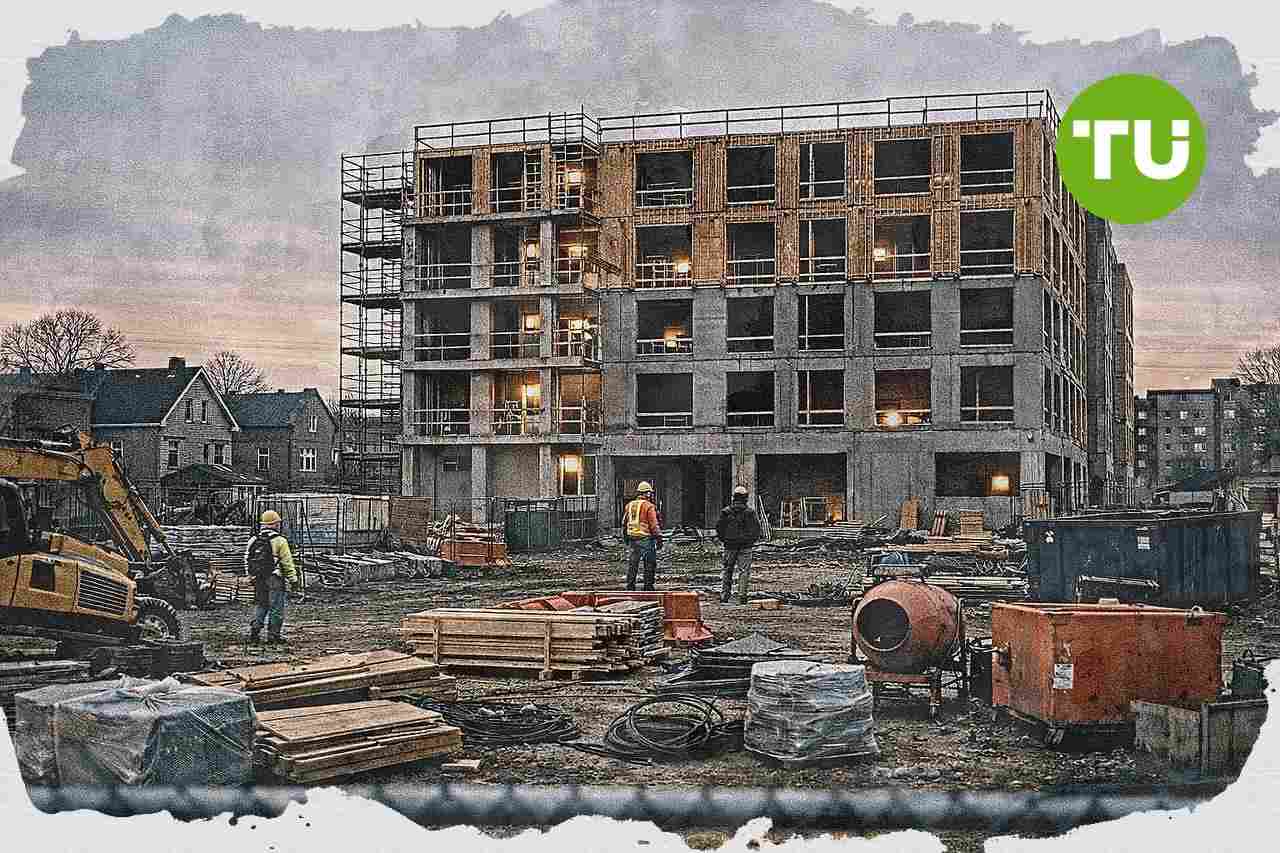
A sweeping bipartisan housing measure becomes law automatically after President Trump does not sign it within 10 days. The 21st Century ROAD to Housing Act marks one of the most significant federal housing actions in decades and is aimed at lowering housing costs and expanding supply.
Highlights
- The 21st Century ROAD to Housing Act automatically becomes law at midnight without President Trump's signature after a 10-day inaction period.
- Senator Elizabeth Warren states the bill is the largest U.S. housing legislation in over 30 years and targets affordable housing by restricting private equity single-family home purchases.
- Democrats position the law as a major step in addressing the U.S. housing affordability crisis, with intentions for further policy action.
Automatic enactment of bipartisan housing bill
As reported by Senate Committee on Banking, Housing, and Urban Affairs, U.S. Senator Elizabeth Warren says the 21st Century ROAD to Housing Act takes effect at midnight without the President's signature after Trump fails to act on the bill for 10 days.Warren, the ranking member of the Senate Banking, Housing, and Urban Affairs Committee, criticizes Trump for holding the legislation for more than two weeks and says the measure contains provisions focused on making housing more affordable.
Housing affordability and market impact
Warren calls the bill the biggest housing legislation in more than 30 years and the largest affordability win for Americans in this Congress. She says the law will help build more housing, reduce costs and curb private equity purchases of single-family homes for the first time.The statement frames the measure as part of a broader response to the U.S. housing crisis, with Democrats signaling they are prepared to pursue additional steps to address affordability pressures across the country.
In our earlier article, we covered how the 21st Century ROAD to Housing Act became law and was positioned as a major bipartisan overhaul aimed at tackling the housing shortage by removing barriers to building nationwide. We noted that the measure emphasizes protecting taxpayers, preserving local control, and expanding long-term housing stability and access to homeownership. That backdrop helps explain why the law is now being framed as a key federal lever for easing affordability pressures through increased housing supply.


Latest Housing Market News





-
 Afghanistan
-
 Albania
-
 Algeria
-
 Angola
-
 Argentina
-
 Armenia
-
 Australia
-
 Austria
-
 Azerbaijan
-
 Bahamas
-
 Bahrain
-
 Bangladesh
-
 Belarus
-
 Belgium
-
 Bolivia
-
 Botswana
-
 Brazil
-
 Brunei
-
 Bulgaria
-
 Cambodia
-
 Cameroon
-
 Canada
-
 Chile
Chile
-
 China
China
-
 Colombia
-
 Congo
Congo
-
 Costa Rica
-
 Cote d'Ivoire
-
 Croatia
-
 Cuba
Cuba
-
 Cyprus
-
 Czechia
-
 DR Congo
-
 Denmark
-
 Dominican Republic
-
 Ecuador
-
 Egypt
Egypt
-
 El Salvador
-
 Estonia
-
 Eswatini
-
 Ethiopia
-
 Finland
-
 France
-
 Georgia
-
 Germany
-
 Ghana
Ghana
-
 Greece
-
 Haiti
Haiti
-
 Hong Kong
-
 Hungary
-
 India
India
-
 Indonesia
-
 Iran, Islamic republic
-
 Iraq
Iraq
-
 Ireland
-
 Israel
-
 Italy
Italy
-
 Jamaica
-
 Japan
Japan
-
 Jordan
-
 Kazakhstan
-
 Kenya
Kenya
-
 Korea
Korea
-
 Kuwait
-
 Kyrgyzstan
-
 Laos
Laos
-
 Latvia
-
 Lebanon
-
 Lesotho
-
 Libya
Libya
-
 Lithuania
-
 Luxembourg
-
 Madagascar
-
 Malaysia
-
 Malta
Malta
-
 Mauritius
-
 Mexico
-
 Moldova
-
 Mongolia
-
 Montenegro
-
 Morocco
-
 Mozambique
-
 Myanmar
-
 Namibia
-
 Nepal
Nepal
-
 Netherlands
-
 New Zealand
-
 Nigeria
-
 North Macedonia
-
 Norway
-
 Oman
Oman
-
 Pakistan
-
 Palestine
-
 Panama
-
 Papua New Guinea
-
 Paraguay
-
 Peru
Peru
-
 Philippines
-
 Poland
-
 Portugal
-
 Puerto Rico
-
 Qatar
Qatar
-
 Reunion
-
 Romania
-
 Rwanda
-
 Saudi Arabia
-
 Serbia
-
 Singapore
-
 Slovakia
-
 Slovenia
-
 Somalia
-
 South Africa
-
 Spain
Spain
-
 Sri Lanka
-
 Sweden
-
 Switzerland
-
 Syria
Syria
-
 Taiwan
-
 Tajikistan
-
 Tanzania
-
 Thailand
-
 Trinidad and Tobago
-
 Tunisia
-
 Turkey
-
 UAE
UAE
-
 Uganda
-
 Ukraine
-
 United Kingdom
-
United States
-
 Uruguay
-
 Uzbekistan
-
 Venezuela
-
 Vietnam
-
 Yemen
Yemen
-
 Zambia
-
 Zimbabwe
- Forex
- Crypto











