
Europe sovereign ratings face pressure as U.S. NATO shift raises defence burden
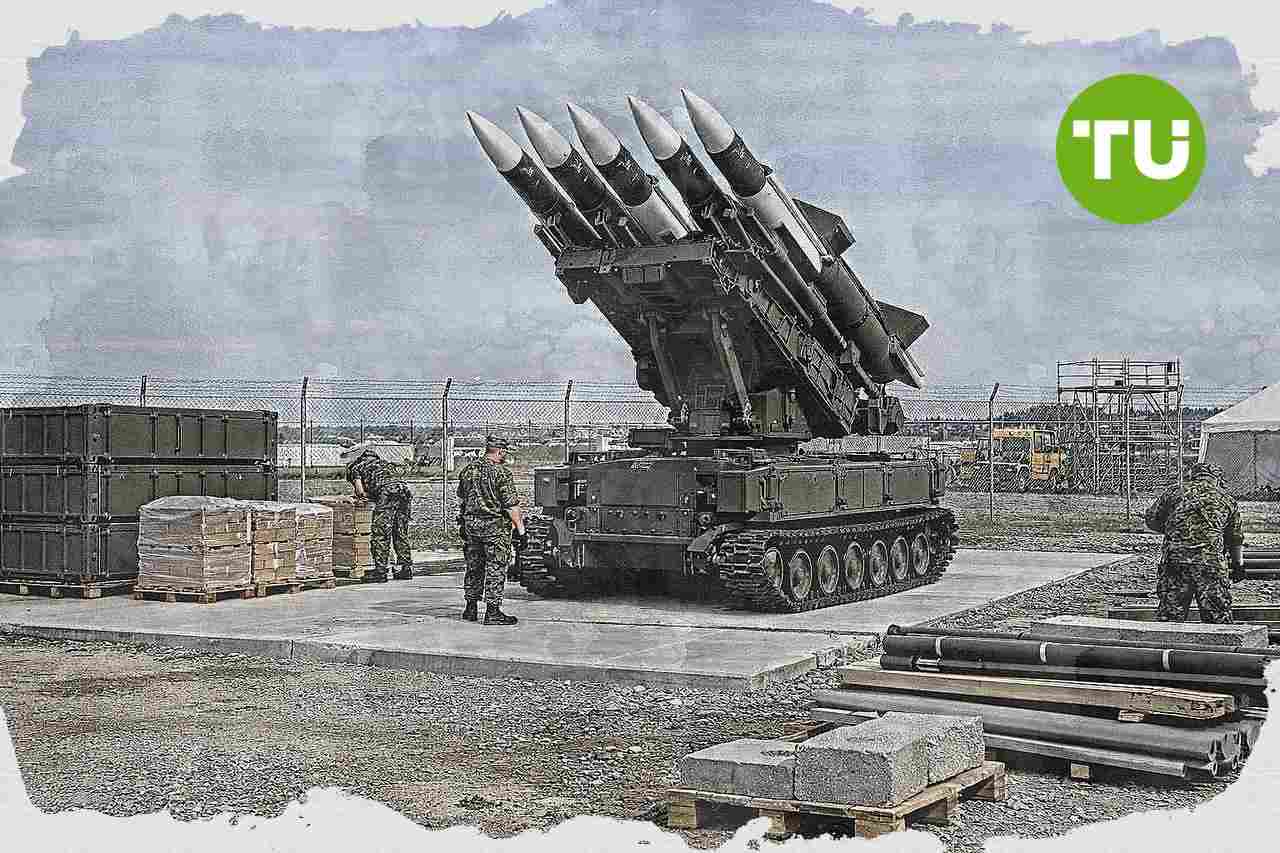
European governments face mounting fiscal pressure after NATO members agree to place more responsibility for the continent's defence on European allies. The change is negative for sovereign credit ratings because higher military spending could weigh on public finances across the region.
Highlights
- Moody's reports that a gradual U.S. withdrawal from European security affairs and the recent NATO summit burden shift are credit negative for European sovereigns.
- European governments face increased defence costs, which could pressure borrowing needs, budget balances, and debt trajectories, heightening sovereign rating risks.
- Sustained higher military spending may become a significant factor in European sovereign credit ratings as the region assumes a larger share of NATO's security commitments.
NATO burden shift reshapes credit outlook
As reported by Reuters, citing Moody's, the gradual U.S. withdrawal from European security affairs is credit negative for European sovereigns because governments in the region are likely to absorb higher defence costs.The ratings agency says last week's NATO summit in Turkey resulted in the alliance's 32 members agreeing to shift more of the responsibility for Europe's defence to European countries and away from the United States. Moody's adds that the ultimate credit effect depends on how governments manage that transition in the coming years.
Higher spending risks for European budgets
The assessment points to a broader challenge for European public finances, as increased military commitments could put pressure on borrowing needs, budget balances and debt trajectories. That creates an additional risk factor for sovereign ratings at a time when governments are already balancing multiple spending demands.For investors and policymakers, the warning signals that security policy changes are increasingly feeding into credit analysis. A sustained rise in defence outlays could become a more important driver of rating decisions across Europe if the region takes on a larger long-term share of NATO's security responsibilities.
Our earlier article on WTI’s rebound toward the mid-$70s explained how heightened Middle East tensions involving Iran rebuilt a geopolitical risk premium, with particular attention on shipping security in the Strait of Hormuz. We noted that while escalation headlines can drive sharp near-term price moves, gains may be limited by factors such as OPEC+ supply increases and an uncertain demand outlook.


Latest Moodys Corporation News







-
 Afghanistan
-
 Albania
-
 Algeria
-
 Angola
-
 Argentina
-
 Armenia
-
 Australia
-
 Austria
-
 Azerbaijan
-
 Bahamas
-
 Bahrain
-
 Bangladesh
-
 Belarus
-
 Belgium
-
 Bolivia
-
 Botswana
-
 Brazil
-
 Brunei
-
 Bulgaria
-
 Cambodia
-
 Cameroon
-
 Canada
-
 Chile
Chile
-
 China
China
-
 Colombia
-
 Congo
Congo
-
 Costa Rica
-
 Cote d'Ivoire
-
 Croatia
-
 Cuba
Cuba
-
 Cyprus
-
 Czechia
-
 DR Congo
-
 Denmark
-
 Dominican Republic
-
 Ecuador
-
 Egypt
Egypt
-
 El Salvador
-
 Estonia
-
 Eswatini
-
 Ethiopia
-
 Finland
-
 France
-
 Georgia
-
 Germany
-
 Ghana
Ghana
-
 Greece
-
 Haiti
Haiti
-
 Hong Kong
-
 Hungary
-
 India
India
-
 Indonesia
-
 Iran, Islamic republic
-
 Iraq
Iraq
-
 Ireland
-
 Israel
-
 Italy
Italy
-
 Jamaica
-
 Japan
Japan
-
 Jordan
-
 Kazakhstan
-
 Kenya
Kenya
-
 Korea
Korea
-
 Kuwait
-
 Kyrgyzstan
-
 Laos
Laos
-
 Latvia
-
 Lebanon
-
 Lesotho
-
 Libya
Libya
-
 Lithuania
-
 Luxembourg
-
 Madagascar
-
 Malaysia
-
 Malta
Malta
-
 Mauritius
-
 Mexico
-
 Moldova
-
 Mongolia
-
 Montenegro
-
 Morocco
-
 Mozambique
-
 Myanmar
-
 Namibia
-
 Nepal
Nepal
-
 Netherlands
-
 New Zealand
-
 Nigeria
-
 North Macedonia
-
 Norway
-
 Oman
Oman
-
 Pakistan
-
 Palestine
-
 Panama
-
 Papua New Guinea
-
 Paraguay
-
 Peru
Peru
-
 Philippines
-
 Poland
-
 Portugal
-
 Puerto Rico
-
 Qatar
Qatar
-
 Reunion
-
 Romania
-
 Rwanda
-
 Saudi Arabia
-
 Serbia
-
 Singapore
-
 Slovakia
-
 Slovenia
-
 Somalia
-
 South Africa
-
 Spain
Spain
-
 Sri Lanka
-
 Sweden
-
 Switzerland
-
 Syria
Syria
-
 Taiwan
-
 Tajikistan
-
 Tanzania
-
 Thailand
-
 Trinidad and Tobago
-
 Tunisia
-
 Turkey
-
 UAE
UAE
-
 Uganda
-
 Ukraine
-
 United Kingdom
-
United States
-
 Uruguay
-
 Uzbekistan
-
 Venezuela
-
 Vietnam
-
 Yemen
Yemen
-
 Zambia
-
 Zimbabwe
- Forex
- Crypto











