
Bosch starts sample production at first U.S. chip plant as Commerce funding backs domestic supply
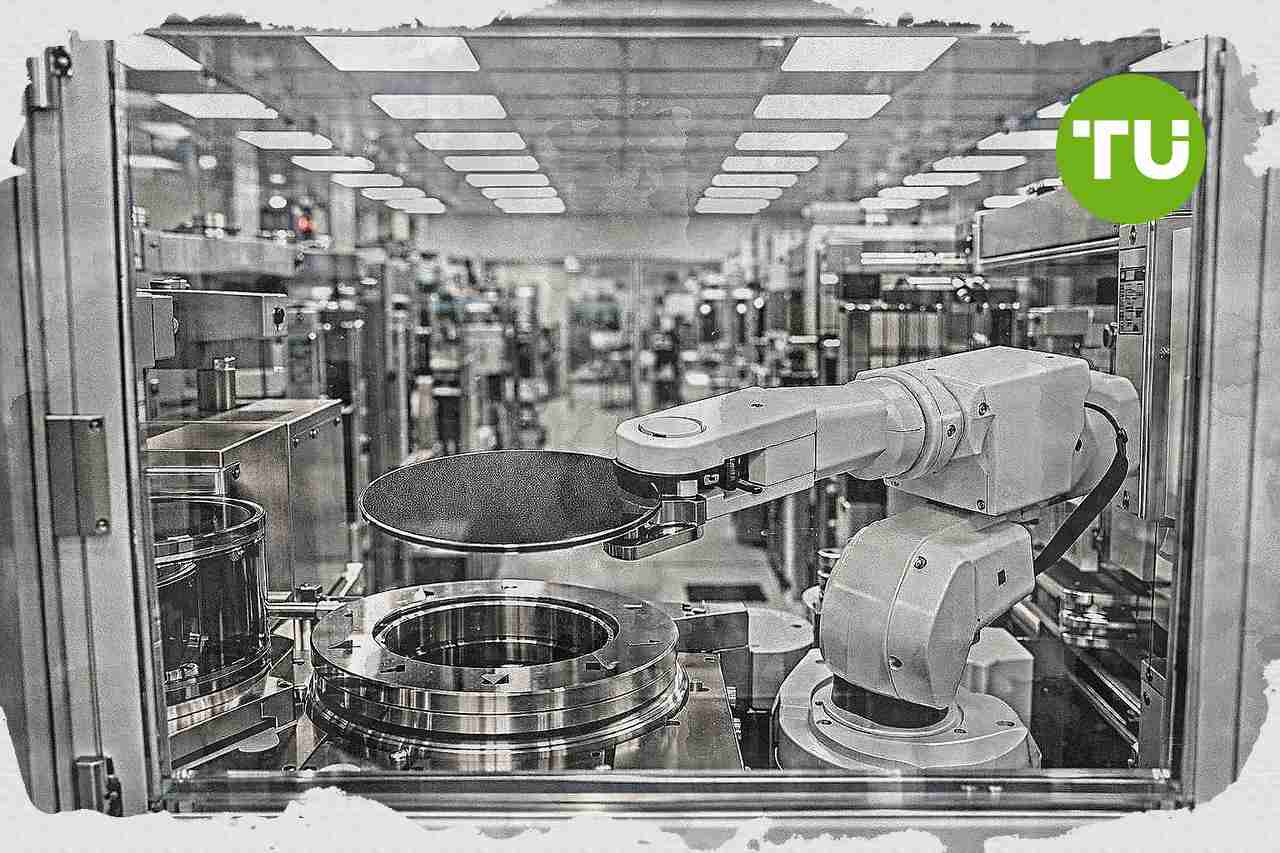
Bosch is moving deeper into U.S. semiconductor manufacturing as automakers and suppliers seek to reduce supply chain risks and limit exposure to tariffs and geopolitical disruption. The German group says sample production is now starting at its first U.S. semiconductor factory in California, with commercial output due later this year.
Highlights
- Bosch begins sample production at its reconfigured Roseville, California semiconductor plant, with full commercial output set for later in 2024.
- Bosch secures $225 million from the U.S. Commerce Department CHIPS Program as part of a $2 billion investment to boost domestic silicon carbide chip manufacturing.
- Bosch plans to invest up to $7.5 billion in U.S. chip operations by 2031, targeting demand from electric vehicles, data centers, and defense sectors.
California plant rollout and federal funding
As reported by Reuters, Bosch said on Monday it is beginning sample production at its semiconductor plant in Roseville, California, while finalizing a $225 million agreement with the U.S. Commerce Department to support domestic manufacturing of silicon carbide chips.Bosch bought the Roseville facility from TSI Semiconductors in 2023 and reconfigured it. The company says the project carries a total cost of $2 billion, including the Commerce Department funding, and commercial production will begin later this year.
The $225 million comes from the Commerce Department's CHIPS Program Office, created under the 2022 CHIPS and Science Act to expand U.S. semiconductor manufacturing and reduce reliance on overseas supply chains.
Investment strategy and industry demand
Paul Thomas, president and CEO of Bosch in North America, told Reuters that the U.S.-Mexico-Canada Agreement on trade is part of the reason Bosch has increased its investment in the U.S. chip sector, as companies look for more developed domestic supply chains. He said the location fits Bosch's strategy and pointed to the importance of semiconductors for national security and for nearby, dependable supply to automakers.Silicon carbide chips are used mainly to manage high-voltage electricity rather than infotainment or advanced driver-assistance systems. In electric vehicles, they help transfer power from the battery to the motor more efficiently, reducing heat and energy losses while improving driving range and charging performance.
Thomas said the chips also can be used in data centers, as some automakers and suppliers expand into energy storage systems tied to AI-driven power demand. While electric vehicle sales have lagged, demand linked to hybrid vehicles and defense applications also supports the timing of the investment. Bosch says it plans to strengthen its U.S. operations through investments of up to $7.5 billion by 2031.
In our earlier coverage of Intel’s €5bn Leixlip semiconductor expansion in Ireland, we explained how the company plans to upgrade its existing fab, boost output, and expand R&D to meet rising AI-driven processor demand. We also noted that the investment supports production of Xeon and next-generation chips, reinforcing Ireland’s role in Europe’s push to build more local semiconductor capacity and reduce reliance on external suppliers.


Latest Supply Chain News






-
 Afghanistan
-
 Albania
-
 Algeria
-
 Angola
-
 Argentina
-
 Armenia
-
 Australia
-
 Austria
-
 Azerbaijan
-
 Bahamas
-
 Bahrain
-
 Bangladesh
-
 Belarus
-
 Belgium
-
 Bolivia
-
 Botswana
-
 Brazil
-
 Brunei
-
 Bulgaria
-
 Cambodia
-
 Cameroon
-
 Canada
-
 Chile
Chile
-
 China
China
-
 Colombia
-
 Congo
Congo
-
 Costa Rica
-
 Cote d'Ivoire
-
 Croatia
-
 Cuba
Cuba
-
 Cyprus
-
 Czechia
-
 DR Congo
-
 Denmark
-
 Dominican Republic
-
 Ecuador
-
 Egypt
Egypt
-
 El Salvador
-
 Estonia
-
 Eswatini
-
 Ethiopia
-
 Finland
-
 France
-
 Georgia
-
 Germany
-
 Ghana
Ghana
-
 Greece
-
 Haiti
Haiti
-
 Hong Kong
-
 Hungary
-
 India
India
-
 Indonesia
-
 Iran, Islamic republic
-
 Iraq
Iraq
-
 Ireland
-
 Israel
-
 Italy
Italy
-
 Jamaica
-
 Japan
Japan
-
 Jordan
-
 Kazakhstan
-
 Kenya
Kenya
-
 Korea
Korea
-
 Kuwait
-
 Kyrgyzstan
-
 Laos
Laos
-
 Latvia
-
 Lebanon
-
 Lesotho
-
 Libya
Libya
-
 Lithuania
-
 Luxembourg
-
 Madagascar
-
 Malaysia
-
 Malta
Malta
-
 Mauritius
-
 Mexico
-
 Moldova
-
 Mongolia
-
 Montenegro
-
 Morocco
-
 Mozambique
-
 Myanmar
-
 Namibia
-
 Nepal
Nepal
-
 Netherlands
-
 New Zealand
-
 Nigeria
-
 North Macedonia
-
 Norway
-
 Oman
Oman
-
 Pakistan
-
 Palestine
-
 Panama
-
 Papua New Guinea
-
 Paraguay
-
 Peru
Peru
-
 Philippines
-
 Poland
-
 Portugal
-
 Puerto Rico
-
 Qatar
Qatar
-
 Reunion
-
 Romania
-
 Rwanda
-
 Saudi Arabia
-
 Serbia
-
 Singapore
-
 Slovakia
-
 Slovenia
-
 Somalia
-
 South Africa
-
 Spain
Spain
-
 Sri Lanka
-
 Sweden
-
 Switzerland
-
 Syria
Syria
-
 Taiwan
-
 Tajikistan
-
 Tanzania
-
 Thailand
-
 Trinidad and Tobago
-
 Tunisia
-
 Turkey
-
 UAE
UAE
-
 Uganda
-
 Ukraine
-
 United Kingdom
-
United States
-
 Uruguay
-
 Uzbekistan
-
 Venezuela
-
 Vietnam
-
 Yemen
Yemen
-
 Zambia
-
 Zimbabwe
- Forex
- Crypto











