
India's widening trade deficit is expected to push the current account gap to 1.5% of GDP in Q1 FY2027
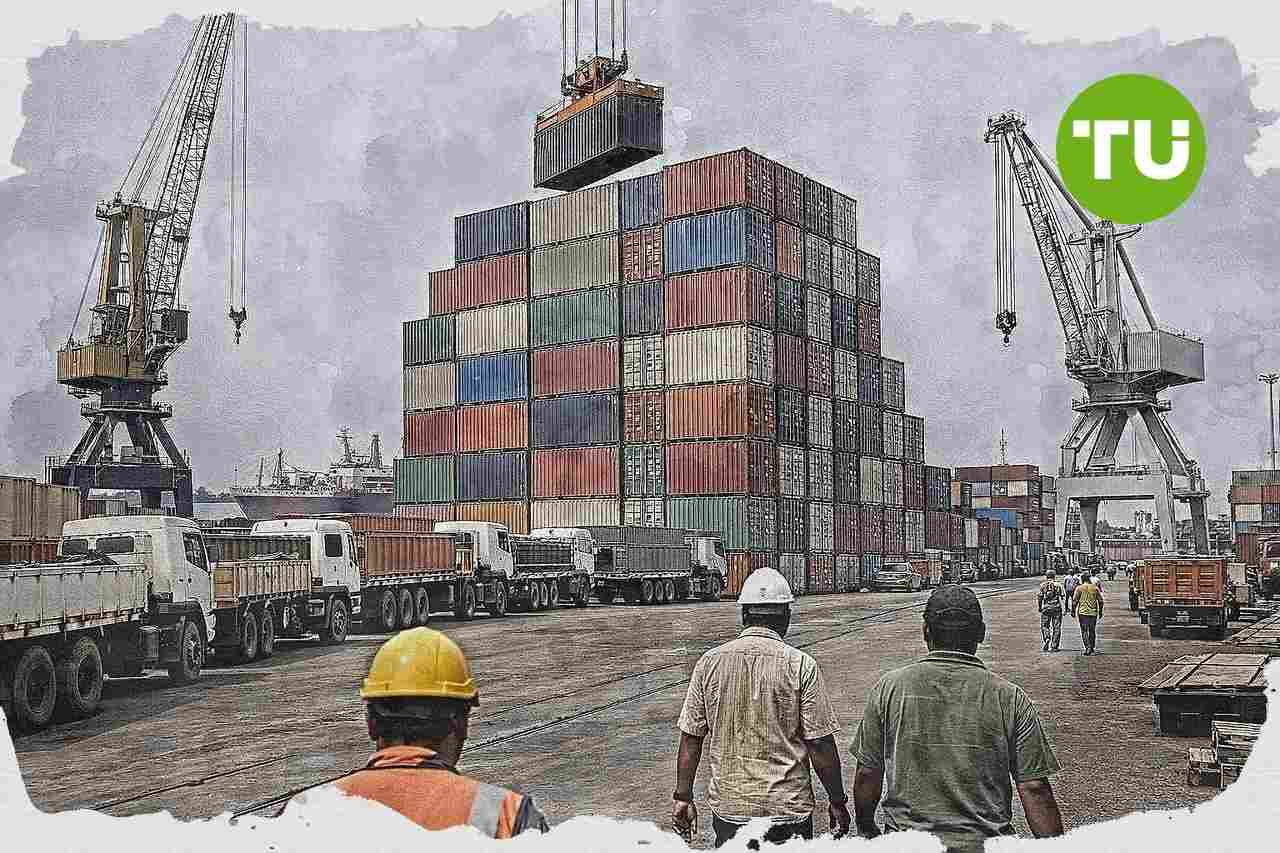
Amid high commodity prices, India's goods trade deficit in June 2026 reached a five-month high as import growth outpaced exports. As a result, the current account deficit is projected to widen to 1.5% of GDP in Q1 FY2027, signaling pressure on the external sector.
Highlights
- India's merchandise exports in June 2026 rose 15.5% to $40.4 billion, while imports increased 31% to $70.8 billion.
- Merchandise exports in Q1 FY2027 recorded 15.9% annual growth, with oil, engineering, and electronics accounting for 79% of the increase.
- Due to rapid import growth and high commodity prices, the current account deficit is projected to reach 1.5% of GDP in Q1 FY2027.
This article was translated from the original. Read the original version by our correspondent here.
June 2026 Trade Data and Estimates
According to a report published by ICRA, India's merchandise exports in June 2026 rose 15.5% year-on-year to $40.4 billion, while imports surged 31.0% to $70.8 billion. This gap pushed the goods trade deficit to a five-month high.On a quarterly basis, merchandise exports in Q1 FY2027 recorded a healthy 15.9% annual growth. Oil, engineering, and electronics shipments accounted for 79% of the total annual increase, even as trade disruptions persisted amid ongoing geopolitical tensions.
Impact on External Sector and Industry
Faster import growth compared to exports signals pressure on India's external balance, especially as commodity prices remain elevated. In this scenario, the current account deficit is expected to widen to 1.5% of GDP in Q1 FY2027.The significant role of oil, engineering, and electronics in exports also indicates strong demand in certain key sectors. Nevertheless, high import costs and global uncertainties continue to pose risks to trade and the balance of payments in the near term.
Our previous report on June 2025 trade data highlighted that India's goods trade deficit widened due to rapid import growth, even as exports posted double-digit gains. The report noted trends such as pressure on the import bill from items like fertilizers, pulses, cotton, and crude oil, as well as weakness in labor-intensive export categories and strength in select products.


Latest Trade Wars News





-
 Afghanistan
-
 Albania
-
 Algeria
-
 Angola
-
 Argentina
-
 Armenia
-
 Australia
-
 Austria
-
 Azerbaijan
-
 Bahamas
-
 Bahrain
-
 Bangladesh
-
 Belarus
-
 Belgium
-
 Bolivia
-
 Botswana
-
 Brazil
-
 Brunei
-
 Bulgaria
-
 Cambodia
-
 Cameroon
-
 Canada
-
 Chile
Chile
-
 China
China
-
 Colombia
-
 Congo
Congo
-
 Costa Rica
-
 Cote d'Ivoire
-
 Croatia
-
 Cuba
Cuba
-
 Cyprus
-
 Czechia
-
 DR Congo
-
 Denmark
-
 Dominican Republic
-
 Ecuador
-
 Egypt
Egypt
-
 El Salvador
-
 Estonia
-
 Eswatini
-
 Ethiopia
-
 Finland
-
 France
-
 Georgia
-
 Germany
-
 Ghana
Ghana
-
 Greece
-
 Haiti
Haiti
-
 Hong Kong
-
 Hungary
-
 India
India
-
 Indonesia
-
 Iran, Islamic republic
-
 Iraq
Iraq
-
 Ireland
-
 Israel
-
 Italy
Italy
-
 Jamaica
-
 Japan
Japan
-
 Jordan
-
 Kazakhstan
-
 Kenya
Kenya
-
 Korea
Korea
-
 Kuwait
-
 Kyrgyzstan
-
 Laos
Laos
-
 Latvia
-
 Lebanon
-
 Lesotho
-
 Libya
Libya
-
 Lithuania
-
 Luxembourg
-
 Madagascar
-
 Malaysia
-
 Malta
Malta
-
 Mauritius
-
 Mexico
-
 Moldova
-
 Mongolia
-
 Montenegro
-
 Morocco
-
 Mozambique
-
 Myanmar
-
 Namibia
-
 Nepal
Nepal
-
 Netherlands
-
 New Zealand
-
 Nigeria
-
 North Macedonia
-
 Norway
-
 Oman
Oman
-
 Pakistan
-
 Palestine
-
 Panama
-
 Papua New Guinea
-
 Paraguay
-
 Peru
Peru
-
 Philippines
-
 Poland
-
 Portugal
-
 Puerto Rico
-
 Qatar
Qatar
-
 Reunion
-
 Romania
-
 Rwanda
-
 Saudi Arabia
-
 Serbia
-
 Singapore
-
 Slovakia
-
 Slovenia
-
 Somalia
-
 South Africa
-
 Spain
Spain
-
 Sri Lanka
-
 Sweden
-
 Switzerland
-
 Syria
Syria
-
 Taiwan
-
 Tajikistan
-
 Tanzania
-
 Thailand
-
 Trinidad and Tobago
-
 Tunisia
-
 Turkey
-
 UAE
UAE
-
 Uganda
-
 Ukraine
-
 United Kingdom
-
United States
-
 Uruguay
-
 Uzbekistan
-
 Venezuela
-
 Vietnam
-
 Yemen
Yemen
-
 Zambia
-
 Zimbabwe
- Forex
- Crypto











