
EU opens duck meat dumping probe as China trade tensions deepen
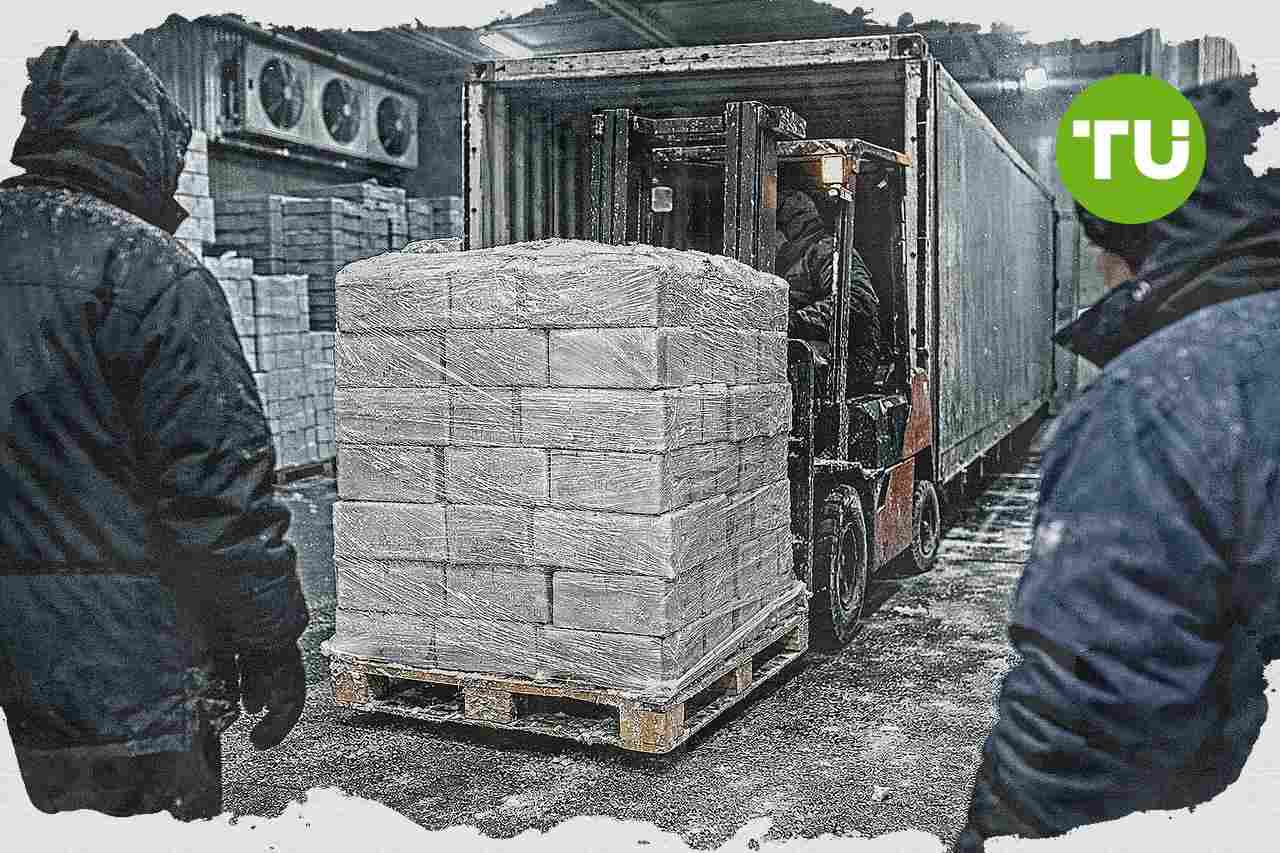
Brussels is widening its trade pressure on Beijing by investigating whether Chinese duck meat enters the EU at unfairly low prices. The move extends a broader dispute over subsidies and market access as the bloc warns its fast-rising trade deficit with China is unsustainable.
Highlights
- European Commission launches anti-dumping probe into Chinese duck meat imports after five EU producers allege subsidised pricing and market share loss.
- China accounted for 199 million euros of duck meat imports into an 800 million euro EU market in 2025, with potential tariffs if dumping confirmed.
- EU-China trade friction escalates as the bloc shifts trade defence into agriculture, risking retaliatory tariffs and further politicizing rural sectors.
Probe targets subsidised imports
As first reported by Financial Times, citing Capitol Forum, the European Commission on Thursday opens an anti-dumping investigation into Chinese duck meat imports after complaints from five unnamed EU producers. The case centres on allegations that Chinese Pekin duck farmers benefit from subsidies, soft loans and cheap soyabean feed, allowing meat to be sold into the EU below market prices.If the allegations are confirmed, the EU could impose tariffs on fresh, frozen or smoked duck meat from China. The commission says the volume and pricing of imports have harmed EU producers by reducing sales volumes, pressuring prices and eroding market share.
The EU duck market is valued at an estimated 800 million euros in 2025, with 199 million euros of imports coming from China. In a notice launching the investigation, the commission points to support measures including regional feed production clusters and China's national five-year plan approved in March 2026, which includes backing for agriculture and poultry production.
Risk of retaliation across farm trade
Trade friction between the EU and China is already elevated, with Brussels saying the bloc's trade deficit with China is running at 1 billion euros a day. The dispute also pushes EU trade defence beyond its usual focus on industrial goods such as chemicals and electric vehicles, into a politically sensitive agricultural product tied closely to China's rural economy.China has already responded to other EU actions with tariffs on pork, dairy products and cognac, seeking to pressure European governments through their farm sectors. John Clarke, a former senior EU agriculture trade negotiator, says targeting an iconic Chinese food product is likely to be read badly in Beijing, especially as the EU is also moving to recognise Peking Duck as a protected origin product that would bar non-Chinese producers from using the term.
The two sides are trying to contain the broader dispute after a June 29 meeting between EU trade commissioner Maros Sefcovic and Chinese commerce minister Wang Wentao led to a new trade and investment dialogue. Still, Sefcovic warns that the status quo is not an option and says the EU will act by October without progress on narrowing the trade gap, while the duck investigation itself is likely to take about a year and any tariffs would need backing from a majority of member states.
In our earlier coverage of the debate over a tougher EU approach to China, we noted that rising Chinese imports often reflect shifts in sourcing rather than a broad surge in import penetration across the EU economy. Using sectors such as passenger cars and electric vehicles, the analysis suggested China has been taking share mainly from other non-EU exporters, while overall imports as a share of GDP stayed broadly stable and EU exports have increasingly moved up the value chain.



Latest Trade Wars News





-
 Afghanistan
-
 Albania
-
 Algeria
-
 Angola
-
 Argentina
-
 Armenia
-
 Australia
-
 Austria
-
 Azerbaijan
-
 Bahamas
-
 Bahrain
-
 Bangladesh
-
 Belarus
-
 Belgium
-
 Bolivia
-
 Botswana
-
 Brazil
-
 Brunei
-
 Bulgaria
-
 Cambodia
-
 Cameroon
-
 Canada
-
 Chile
Chile
-
 China
China
-
 Colombia
-
 Congo
Congo
-
 Costa Rica
-
 Cote d'Ivoire
-
 Croatia
-
 Cuba
Cuba
-
 Cyprus
-
 Czechia
-
 DR Congo
-
 Denmark
-
 Dominican Republic
-
 Ecuador
-
 Egypt
Egypt
-
 El Salvador
-
 Estonia
-
 Eswatini
-
 Ethiopia
-
 Finland
-
 France
-
 Georgia
-
 Germany
-
 Ghana
Ghana
-
 Greece
-
 Haiti
Haiti
-
 Hong Kong
-
 Hungary
-
 India
India
-
 Indonesia
-
 Iran, Islamic republic
-
 Iraq
Iraq
-
 Ireland
-
 Israel
-
 Italy
Italy
-
 Jamaica
-
 Japan
Japan
-
 Jordan
-
 Kazakhstan
-
 Kenya
Kenya
-
 Korea
Korea
-
 Kuwait
-
 Kyrgyzstan
-
 Laos
Laos
-
 Latvia
-
 Lebanon
-
 Lesotho
-
 Libya
Libya
-
 Lithuania
-
 Luxembourg
-
 Madagascar
-
 Malaysia
-
 Malta
Malta
-
 Mauritius
-
 Mexico
-
 Moldova
-
 Mongolia
-
 Montenegro
-
 Morocco
-
 Mozambique
-
 Myanmar
-
 Namibia
-
 Nepal
Nepal
-
 Netherlands
-
 New Zealand
-
 Nigeria
-
 North Macedonia
-
 Norway
-
 Oman
Oman
-
 Pakistan
-
 Palestine
-
 Panama
-
 Papua New Guinea
-
 Paraguay
-
 Peru
Peru
-
 Philippines
-
 Poland
-
 Portugal
-
 Puerto Rico
-
 Qatar
Qatar
-
 Reunion
-
 Romania
-
 Rwanda
-
 Saudi Arabia
-
 Serbia
-
 Singapore
-
 Slovakia
-
 Slovenia
-
 Somalia
-
 South Africa
-
 Spain
Spain
-
 Sri Lanka
-
 Sweden
-
 Switzerland
-
 Syria
Syria
-
 Taiwan
-
 Tajikistan
-
 Tanzania
-
 Thailand
-
 Trinidad and Tobago
-
 Tunisia
-
 Turkey
-
 UAE
UAE
-
 Uganda
-
 Ukraine
-
 United Kingdom
-
United States
-
 Uruguay
-
 Uzbekistan
-
 Venezuela
-
 Vietnam
-
 Yemen
Yemen
-
 Zambia
-
 Zimbabwe
- Forex
- Crypto











