
U.S. imposes 25% tariff on Brazil imports as trade and diplomatic tensions deepen
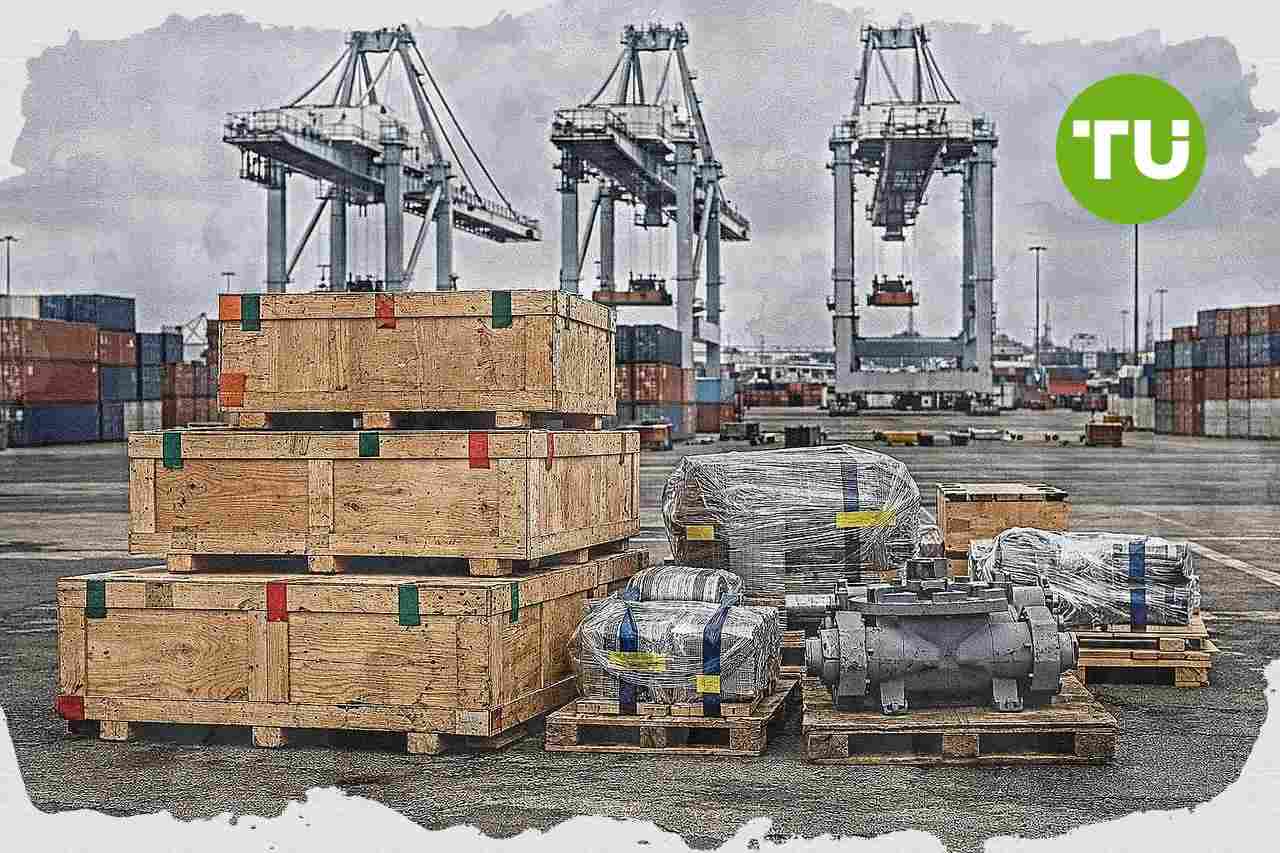
Washington is escalating pressure on Brazil weeks before the South American country's presidential election, adding a new trade dispute to a broader deterioration in bilateral ties. The 25% tariff targets selected imports while exempting products such as beef, coffee, orange juice and aircraft parts, limiting the immediate effect on some consumer-sensitive goods.
Highlights
- The U.S. Trade Representative will impose a 25% tariff on Brazilian imports later this month, citing unfair trade practices after year-long failed negotiations.
- The tariff, leveraging Section 301 of the Trade Act of 1974, targets wood, machinery, and corn ethanol, potentially affecting one-fifth of Brazil's $37.7 billion in annual U.S. exports.
- Tensions escalate as the tariff rollout coincides with Brazil's upcoming October election and follows Washington's designation of two Brazilian gangs as terrorist organizations.
Tariff rollout and trade complaints
As first reported by Financial Times, the U.S. Trade Representative announces a new 25% tariff on imports from Brazil and says the measure takes effect later this month after more than a year of unsuccessful negotiations with Brasília.The agency alleges unfair trade practices involving electronic payments, the ethanol market, intellectual property, anti-corruption enforcement and environmental protection. U.S. Trade Representative Jamieson Greer says Brazil's policies have prevented U.S. workers and producers from accessing a market of more than 210 million consumers.
The levy uses Section 301 of the Trade Act of 1974, which allows the White House to investigate trading partners' practices. Items expected to be affected include wood, machinery and corn ethanol, while exemptions cover goods the U.S. does not widely produce or depends on Brazil for, including beef, coffee, orange juice and aircraft parts.
Election backdrop and regional implications
Brazil had previously said about one-fifth of its $37.7 billion in annual exports to the U.S. would be affected by the duty, which the USTR first proposed last month alongside findings from a nearly year-long probe. The administration is also expected to unveil additional Section 301 tariffs in coming weeks as it tries to rebuild import duties struck down by the U.S. Supreme Court earlier this year.The tariff adds to a series of U.S. measures that are straining relations between Washington and Brasília. Brazil's leftwing government sees the complaints as politically motivated, and supporters of President Luiz Inácio Lula da Silva fear the tougher U.S. stance could spill into interference in October's election.
Those concerns have intensified after Washington recently designated two Brazilian drug-trafficking gangs as foreign terrorist organizations despite objections from Brasília. Lula has accused his main challenger, senator Flávio Bolsonaro, of helping bring about the tariff, while Flávio Bolsonaro denies the claim and urges Washington to delay the measure before the vote.
Our earlier coverage of the Port of Los Angeles’ June cargo surge explained how importers were pulling shipments forward to get ahead of higher marine fuel costs and anticipated new U.S. tariffs. It also noted that the administration was preparing a renewed tariff approach under Section 301 after earlier emergency duties were struck down, adding to cost pressure across shipping and supply chains.


Latest Trade Wars News





-
 Afghanistan
-
 Albania
-
 Algeria
-
 Angola
-
 Argentina
-
 Armenia
-
 Australia
-
 Austria
-
 Azerbaijan
-
 Bahamas
-
 Bahrain
-
 Bangladesh
-
 Belarus
-
 Belgium
-
 Bolivia
-
 Botswana
-
 Brazil
-
 Brunei
-
 Bulgaria
-
 Cambodia
-
 Cameroon
-
 Canada
-
 Chile
Chile
-
 China
China
-
 Colombia
-
 Congo
Congo
-
 Costa Rica
-
 Cote d'Ivoire
-
 Croatia
-
 Cuba
Cuba
-
 Cyprus
-
 Czechia
-
 DR Congo
-
 Denmark
-
 Dominican Republic
-
 Ecuador
-
 Egypt
Egypt
-
 El Salvador
-
 Estonia
-
 Eswatini
-
 Ethiopia
-
 Finland
-
 France
-
 Georgia
-
 Germany
-
 Ghana
Ghana
-
 Greece
-
 Haiti
Haiti
-
 Hong Kong
-
 Hungary
-
 India
India
-
 Indonesia
-
 Iran, Islamic republic
-
 Iraq
Iraq
-
 Ireland
-
 Israel
-
 Italy
Italy
-
 Jamaica
-
 Japan
Japan
-
 Jordan
-
 Kazakhstan
-
 Kenya
Kenya
-
 Korea
Korea
-
 Kuwait
-
 Kyrgyzstan
-
 Laos
Laos
-
 Latvia
-
 Lebanon
-
 Lesotho
-
 Libya
Libya
-
 Lithuania
-
 Luxembourg
-
 Madagascar
-
 Malaysia
-
 Malta
Malta
-
 Mauritius
-
 Mexico
-
 Moldova
-
 Mongolia
-
 Montenegro
-
 Morocco
-
 Mozambique
-
 Myanmar
-
 Namibia
-
 Nepal
Nepal
-
 Netherlands
-
 New Zealand
-
 Nigeria
-
 North Macedonia
-
 Norway
-
 Oman
Oman
-
 Pakistan
-
 Palestine
-
 Panama
-
 Papua New Guinea
-
 Paraguay
-
 Peru
Peru
-
 Philippines
-
 Poland
-
 Portugal
-
 Puerto Rico
-
 Qatar
Qatar
-
 Reunion
-
 Romania
-
 Rwanda
-
 Saudi Arabia
-
 Serbia
-
 Singapore
-
 Slovakia
-
 Slovenia
-
 Somalia
-
 South Africa
-
 Spain
Spain
-
 Sri Lanka
-
 Sweden
-
 Switzerland
-
 Syria
Syria
-
 Taiwan
-
 Tajikistan
-
 Tanzania
-
 Thailand
-
 Trinidad and Tobago
-
 Tunisia
-
 Turkey
-
 UAE
UAE
-
 Uganda
-
 Ukraine
-
 United Kingdom
-
United States
-
 Uruguay
-
 Uzbekistan
-
 Venezuela
-
 Vietnam
-
 Yemen
Yemen
-
 Zambia
-
 Zimbabwe
- Forex
- Crypto











