
Ukraine defence reshuffle triggers political backlash and protests
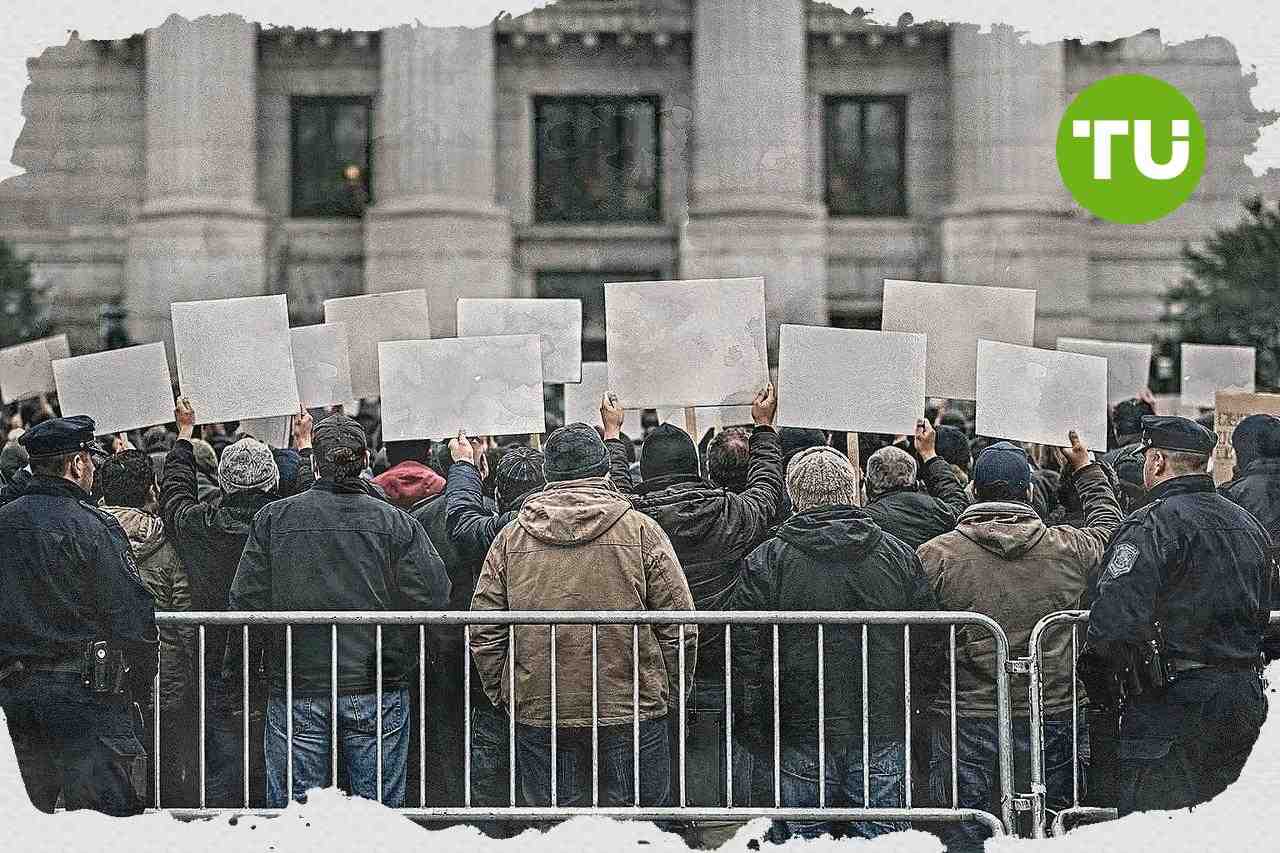
A widening dispute over Ukraine’s wartime defence leadership is spilling into the open as thousands protest the removal of outgoing defence minister Mykhailo Fedorov. The clash is exposing rare strains around President Volodymyr Zelenskyy’s wartime authority and complicating efforts to secure parliamentary backing for a successor.
Highlights
- Ukrainian Defence Minister Fedorov, credited with accelerating drone production, was dismissed after a power struggle with General Oleksandr Syrsky over ministry reforms.
- Fedorov's ouster sparks large public protests, the resignation of the air force deputy leader, and warnings from lawmakers that parliament lacks votes for nominee Ihor Klymenko.
- Political pressure mounts on President Zelenskyy as cabinet reshuffle excludes defence and foreign ministers, with lawmakers citing Fedorov's resistance to those seeking access to Ukraine’s wartime defence budget.
Leadership clash disrupts defence reform plans
As first reported by the Financial Times, Fedorov says he rejected an offer to remain as a presidential adviser and casts his dismissal as the result of a power struggle with Ukraine’s top general, Oleksandr Syrsky, over efforts to modernise the defence ministry.Fedorov, appointed in January, is widely credited with speeding up procurement and drone production in a ministry long criticised for opacity. He says both he and Syrsky asked Zelenskyy to dismiss the other, and that the president ultimately removed him after the general gave what Fedorov describes as an ultimatum.
In unusually sharp public criticism during wartime, Fedorov accuses the military leadership of obstructing reform initiatives and failing to confront operational problems openly. Syrsky does not respond directly to the accusations, saying on social media that he wishes Fedorov success and hopes he remains part of "Team Ukraine."
Zelenskyy says at a joint press conference with visiting UK Prime Minister Sir Keir Starmer that he is sure Fedorov will remain on his team, with the format to be discussed later. He also says he wants unity between the military leadership and the defence ministry.
Parliament pressure and public dissent grow
Demonstrators gather outside the president’s office carrying signs demanding that Fedorov stay in office, in one of the largest public displays of dissent against Zelenskyy since Russia’s full-scale invasion in 2022. Protesters and defence industry figures argue the minister’s departure interrupts momentum at a time when Ukraine’s expanded use of mass-produced drones is helping slow Russian advances.The fallout is also reaching into state institutions. The deputy leader of the air force resigns in protest, an MP from Zelenskyy’s party quits and appears alongside Fedorov, and ruling party lawmakers tell the Financial Times that support in parliament for defence minister nominee Ihor Klymenko is now in doubt.
Lawmakers describe the mood in parliament as explosive and say there are currently not enough votes to approve Klymenko. MPs later approve a broader cabinet reshuffle, excluding the defence and foreign minister posts, while Zelenskyy turns to talks with his chief of staff and former military intelligence head Kyrylo Budanov to contain the crisis.
The confrontation comes almost exactly a year after Zelenskyy’s failed attempt to curb the independence of anti-corruption agencies, another episode that triggered public backlash and a policy reversal. This time, political pressure is falling more directly on the president, while officials and lawmakers familiar with the matter say Fedorov had also become an obstacle to interests seeking to benefit from Ukraine’s large wartime defence budget.
Our earlier report covered House Republicans advancing the fiscal 2027 budget resolution to open a new reconciliation track for their agenda. The plan was framed as a way to move priorities without Democratic support, including a proposed $67 billion defense supplemental focused on weapons, munitions, and readiness, alongside food security measures and voter ID requirements.






-
 Afghanistan
-
 Albania
-
 Algeria
-
 Angola
-
 Argentina
-
 Armenia
-
 Australia
-
 Austria
-
 Azerbaijan
-
 Bahamas
-
 Bahrain
-
 Bangladesh
-
 Belarus
-
 Belgium
-
 Bolivia
-
 Botswana
-
 Brazil
-
 Brunei
-
 Bulgaria
-
 Cambodia
-
 Cameroon
-
 Canada
-
 Chile
Chile
-
 China
China
-
 Colombia
-
 Congo
Congo
-
 Costa Rica
-
 Cote d'Ivoire
-
 Croatia
-
 Cuba
Cuba
-
 Cyprus
-
 Czechia
-
 DR Congo
-
 Denmark
-
 Dominican Republic
-
 Ecuador
-
 Egypt
Egypt
-
 El Salvador
-
 Estonia
-
 Eswatini
-
 Ethiopia
-
 Finland
-
 France
-
 Georgia
-
 Germany
-
 Ghana
Ghana
-
 Greece
-
 Haiti
Haiti
-
 Hong Kong
-
 Hungary
-
 India
India
-
 Indonesia
-
 Iran, Islamic republic
-
 Iraq
Iraq
-
 Ireland
-
 Israel
-
 Italy
Italy
-
 Jamaica
-
 Japan
Japan
-
 Jordan
-
 Kazakhstan
-
 Kenya
Kenya
-
 Korea
Korea
-
 Kuwait
-
 Kyrgyzstan
-
 Laos
Laos
-
 Latvia
-
 Lebanon
-
 Lesotho
-
 Libya
Libya
-
 Lithuania
-
 Luxembourg
-
 Madagascar
-
 Malaysia
-
 Malta
Malta
-
 Mauritius
-
 Mexico
-
 Moldova
-
 Mongolia
-
 Montenegro
-
 Morocco
-
 Mozambique
-
 Myanmar
-
 Namibia
-
 Nepal
Nepal
-
 Netherlands
-
 New Zealand
-
 Nigeria
-
 North Macedonia
-
 Norway
-
 Oman
Oman
-
 Pakistan
-
 Palestine
-
 Panama
-
 Papua New Guinea
-
 Paraguay
-
 Peru
Peru
-
 Philippines
-
 Poland
-
 Portugal
-
 Puerto Rico
-
 Qatar
Qatar
-
 Reunion
-
 Romania
-
 Rwanda
-
 Saudi Arabia
-
 Serbia
-
 Singapore
-
 Slovakia
-
 Slovenia
-
 Somalia
-
 South Africa
-
 Spain
Spain
-
 Sri Lanka
-
 Sweden
-
 Switzerland
-
 Syria
Syria
-
 Taiwan
-
 Tajikistan
-
 Tanzania
-
 Thailand
-
 Trinidad and Tobago
-
 Tunisia
-
 Turkey
-
 UAE
UAE
-
 Uganda
-
 Ukraine
-
 United Kingdom
-
United States
-
 Uruguay
-
 Uzbekistan
-
 Venezuela
-
 Vietnam
-
 Yemen
Yemen
-
 Zambia
-
 Zimbabwe
- Forex
- Crypto











