
Senate Banking Committee pushes CFPB regulatory overhaul in consumer finance debate

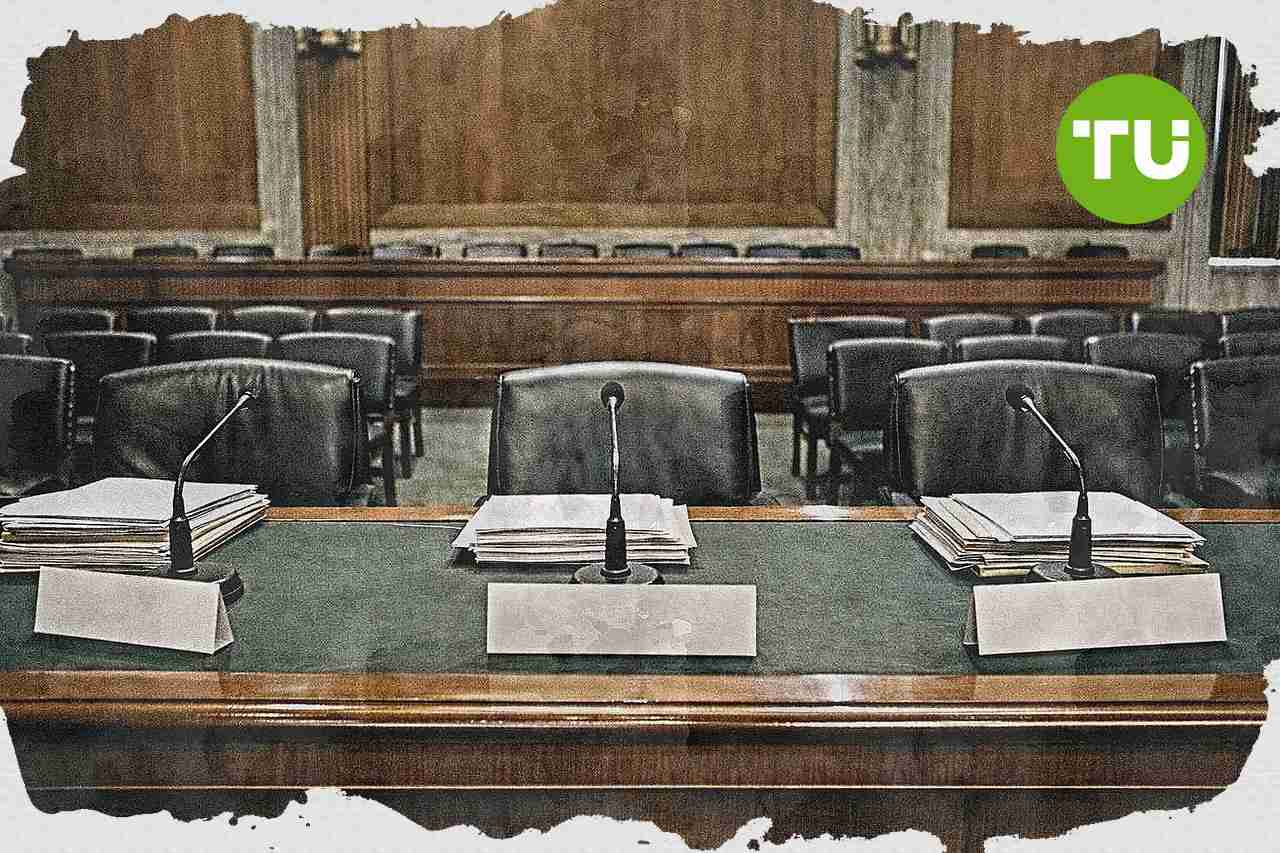
Republican lawmakers are sharpening their push to reset consumer finance oversight as the Consumer Financial Protection Bureau presents its semiannual report to Congress. At a Senate Banking Committee hearing in Washington, Chairman Tim Scott says the agency should focus on competition, consumer choice and lower costs, while rolling back what he describes as excessive Biden-era regulation.
Highlights
- Senate Banking Committee, led by Scott, pressed Acting CFPB Director Russ Vought for clearer, more durable consumer finance rules within statutory limits on June 6.
- Scott warned that excessive CFPB regulation on overdraft services and credit card pricing could reduce credit access, especially for consumers with lower credit scores.
- Senators called for structural reform to the CFPB, including reduced statutory funding caps and heightened accountability, potentially shaping future sector rulemaking and supervision.
Hearing centers on CFPB rulemaking and oversight
As reported by Senate Committee on Banking, Housing, and Urban Affairs, citing the Senate Committee on Banking, Housing, and Urban Affairs, Scott led the hearing with Acting CFPB Director Russ Vought and used the session to argue that the bureau must operate within its statutory limits and provide clearer, more durable rules for the market.Scott says access to affordable financial products is a core part of consumer protection and argues that heavy regulation can reduce lending, services and product availability for households and small businesses. He frames the bureau's current direction as a break from what he calls an ideological approach under the Biden administration, which he says produced rules later struck down by courts, overturned by Congress or rescinded.
During his remarks, Scott points to overdraft services and credit card pricing as examples of areas where price controls can, in his view, restrict credit access. He says consumers with lower credit scores are especially vulnerable if regulated lenders retreat from the market, because they may be pushed toward costlier or less regulated alternatives.
Consumer finance sector faces policy and structural questions
Scott also links regulatory policy to bank compliance costs, saying added burdens ultimately appear as higher fees and fewer options for end users. He says the CFPB should target actual harm while giving banks, community institutions and financial technology firms a clearer framework for compliance and competition.Beyond rulemaking, he calls for structural reform at the bureau to reduce partisanship and increase accountability. Scott says Congress has already reduced the CFPB's statutory funding cap and praises Vought for revising rulemakings, changing supervision practices and operating under tighter budget discipline.
The hearing underscores a wider policy divide over how the CFPB should balance enforcement with credit access. For lenders and consumer finance providers, the debate could shape future supervision, product pricing and the durability of federal rules across the sector.
In our earlier coverage of Kansas City Fed President Jeff Schmid’s inflation stance, we noted that he warned price pressures remain persistent and central to the Federal Reserve’s policy debate ahead of the upcoming meeting. The piece also highlighted how officials weighed the risk that inflation is not merely temporary, keeping markets attentive to the path of interest rates and the Fed’s emphasis on transparency and accountability.


Latest CFPB News






-
 Afghanistan
-
 Albania
-
 Algeria
-
 Angola
-
 Argentina
-
 Armenia
-
 Australia
-
 Austria
-
 Azerbaijan
-
 Bahamas
-
 Bahrain
-
 Bangladesh
-
 Belarus
-
 Belgium
-
 Bolivia
-
 Botswana
-
 Brazil
-
 Brunei
-
 Bulgaria
-
 Cambodia
-
 Cameroon
-
 Canada
-
 Chile
Chile
-
 China
China
-
 Colombia
-
 Congo
Congo
-
 Costa Rica
-
 Cote d'Ivoire
-
 Croatia
-
 Cuba
Cuba
-
 Cyprus
-
 Czechia
-
 DR Congo
-
 Denmark
-
 Dominican Republic
-
 Ecuador
-
 Egypt
Egypt
-
 El Salvador
-
 Estonia
-
 Eswatini
-
 Ethiopia
-
 Finland
-
 France
-
 Georgia
-
 Germany
-
 Ghana
Ghana
-
 Greece
-
 Haiti
Haiti
-
 Hong Kong
-
 Hungary
-
 India
India
-
 Indonesia
-
 Iran, Islamic republic
-
 Iraq
Iraq
-
 Ireland
-
 Israel
-
 Italy
Italy
-
 Jamaica
-
 Japan
Japan
-
 Jordan
-
 Kazakhstan
-
 Kenya
Kenya
-
 Korea
Korea
-
 Kuwait
-
 Kyrgyzstan
-
 Laos
Laos
-
 Latvia
-
 Lebanon
-
 Lesotho
-
 Libya
Libya
-
 Lithuania
-
 Luxembourg
-
 Madagascar
-
 Malaysia
-
 Malta
Malta
-
 Mauritius
-
 Mexico
-
 Moldova
-
 Mongolia
-
 Montenegro
-
 Morocco
-
 Mozambique
-
 Myanmar
-
 Namibia
-
 Nepal
Nepal
-
 Netherlands
-
 New Zealand
-
 Nigeria
-
 North Macedonia
-
 Norway
-
 Oman
Oman
-
 Pakistan
-
 Palestine
-
 Panama
-
 Papua New Guinea
-
 Paraguay
-
 Peru
Peru
-
 Philippines
-
 Poland
-
 Portugal
-
 Puerto Rico
-
 Qatar
Qatar
-
 Reunion
-
 Romania
-
 Rwanda
-
 Saudi Arabia
-
 Serbia
-
 Singapore
-
 Slovakia
-
 Slovenia
-
 Somalia
-
 South Africa
-
 Spain
Spain
-
 Sri Lanka
-
 Sweden
-
 Switzerland
-
 Syria
Syria
-
 Taiwan
-
 Tajikistan
-
 Tanzania
-
 Thailand
-
 Trinidad and Tobago
-
 Tunisia
-
 Turkey
-
 UAE
UAE
-
 Uganda
-
 Ukraine
-
 United Kingdom
-
United States
-
 Uruguay
-
 Uzbekistan
-
 Venezuela
-
 Vietnam
-
 Yemen
Yemen
-
 Zambia
-
 Zimbabwe
- Forex
- Crypto











