
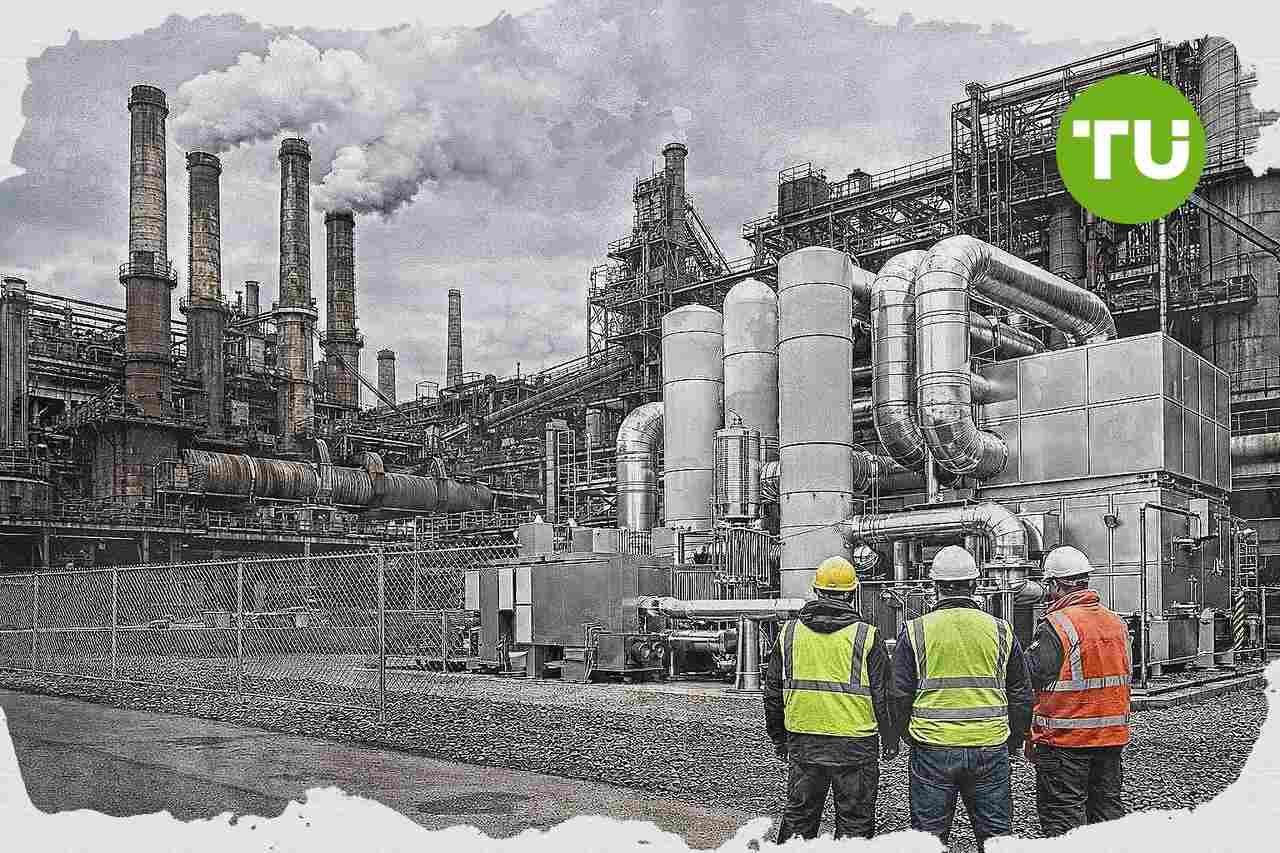
The European Commission is preparing changes to its carbon market that channel more funding to heavy industry while easing the pace of future emissions restrictions. The planned overhaul seeks to link stronger industrial support to investment in cleaner operations, even as it gives polluters more time under the EU system.
Highlights
- EU climate commissioner Wopke Hoekstra proposes requiring at least half of annual €24 billion carbon market income be directed to industrial decarbonization, up from less than 5 percent currently.
- The EU plans to slow the annual reduction in carbon allowances from 4.4 percent in 2028-2030 to 3.7 percent in 2031, and extend new permit availability into the 2040s.
- Proposed expansion of the emissions trading system would only include flights landing within 5,000km of the EU, excluding transatlantic routes and mitigating risk of disputes with the U.S.
Carbon market revision and industry funding
As reported by the Financial Times, climate commissioner Wopke Hoekstra says the EU will steer more revenue from its emissions trading system toward businesses that commit to cutting pollution from their operations. The scheme, which raises about 40 billion euros a year for the bloc, is due for review on Friday after lobbying from heavy industry over the cost of buying carbon allowances.Hoekstra says the proposal would require member states to direct at least half of their annual 24 billion euros in carbon market income toward industrial decarbonization. Less than 5 per cent of that revenue now goes to those purposes, and he argues the change would support the EU goal of reaching net zero emissions by 2050 without weakening climate ambition.
Under the current system, no new carbon allowances would be available from 2039, forcing businesses to trade only existing permits. Hoekstra confirms the review would extend the availability of new allowances well into the 2040s, while the annual reduction rate in available permits would slow from 4.4 per cent in 2028 to 2030 to 3.7 per cent in 2031, before falling further later in the decade.
He also says companies would continue receiving free allowances, but only if they invest in Europe. At present, businesses receive about 35 billion euros to 40 billion euros a year in free permits under the system.
Regional climate tensions and sector impact
The emissions trading system covers industries responsible for 40 per cent of Europe’s carbon emissions and is estimated to have nearly halved their pollution since its launch in 2005, largely through cuts in the power sector. It applies to high-emitting activities including refining, cement, steel, aviation and shipping.The planned easing is likely to benefit industries and member states that remain more dependent on fossil fuels, while potentially frustrating companies and countries that have already invested heavily in reducing emissions. The proposals still need to be negotiated with member states and the European Parliament, and they have already drawn opposition from climate-focused governments including Nordic countries and Spain, while stopping short of the broader concessions sought by Italy, Poland and other central and eastern EU states.
Hoekstra also confirms that a proposed expansion of the carbon market to all flights leaving the bloc would only cover routes landing within 5,000km of the EU. That would leave flights to the U.S. outside the measure, reducing the risk of tensions with the Trump administration.
Our earlier report on Canada’s federal, provincial and territorial environment ministers meeting in Calgary outlined efforts to align emissions-cutting plans with clean-economy priorities on the road to net zero by 2050. It highlighted a focus on clean power, electrification, energy efficiency and partnerships with Indigenous and regional stakeholders to keep competitiveness and affordability in view while lowering emissions.


Latest Europe News





-
 Afghanistan
-
 Albania
-
 Algeria
-
 Angola
-
 Argentina
-
 Armenia
-
 Australia
-
 Austria
-
 Azerbaijan
-
 Bahamas
-
 Bahrain
-
 Bangladesh
-
 Belarus
-
 Belgium
-
 Bolivia
-
 Botswana
-
 Brazil
-
 Brunei
-
 Bulgaria
-
 Cambodia
-
 Cameroon
-
 Canada
-
 Chile
Chile
-
 China
China
-
 Colombia
-
 Congo
Congo
-
 Costa Rica
-
 Cote d'Ivoire
-
 Croatia
-
 Cuba
Cuba
-
 Cyprus
-
 Czechia
-
 DR Congo
-
 Denmark
-
 Dominican Republic
-
 Ecuador
-
 Egypt
Egypt
-
 El Salvador
-
 Estonia
-
 Eswatini
-
 Ethiopia
-
 Finland
-
 France
-
 Georgia
-
 Germany
-
 Ghana
Ghana
-
 Greece
-
 Haiti
Haiti
-
 Hong Kong
-
 Hungary
-
 India
India
-
 Indonesia
-
 Iran, Islamic republic
-
 Iraq
Iraq
-
 Ireland
-
 Israel
-
 Italy
Italy
-
 Jamaica
-
 Japan
Japan
-
 Jordan
-
 Kazakhstan
-
 Kenya
Kenya
-
 Korea
Korea
-
 Kuwait
-
 Kyrgyzstan
-
 Laos
Laos
-
 Latvia
-
 Lebanon
-
 Lesotho
-
 Libya
Libya
-
 Lithuania
-
 Luxembourg
-
 Madagascar
-
 Malaysia
-
 Malta
Malta
-
 Mauritius
-
 Mexico
-
 Moldova
-
 Mongolia
-
 Montenegro
-
 Morocco
-
 Mozambique
-
 Myanmar
-
 Namibia
-
 Nepal
Nepal
-
 Netherlands
-
 New Zealand
-
 Nigeria
-
 North Macedonia
-
 Norway
-
 Oman
Oman
-
 Pakistan
-
 Palestine
-
 Panama
-
 Papua New Guinea
-
 Paraguay
-
 Peru
Peru
-
 Philippines
-
 Poland
-
 Portugal
-
 Puerto Rico
-
 Qatar
Qatar
-
 Reunion
-
 Romania
-
 Rwanda
-
 Saudi Arabia
-
 Serbia
-
 Singapore
-
 Slovakia
-
 Slovenia
-
 Somalia
-
 South Africa
-
 Spain
Spain
-
 Sri Lanka
-
 Sweden
-
 Switzerland
-
 Syria
Syria
-
 Taiwan
-
 Tajikistan
-
 Tanzania
-
 Thailand
-
 Trinidad and Tobago
-
 Tunisia
-
 Turkey
-
 UAE
UAE
-
 Uganda
-
 Ukraine
-
 United Kingdom
-
United States
-
 Uruguay
-
 Uzbekistan
-
 Venezuela
-
 Vietnam
-
 Yemen
Yemen
-
 Zambia
-
 Zimbabwe
- Forex
- Crypto











