
European Commission unveils ETS review and electrification plan for industry and power costs
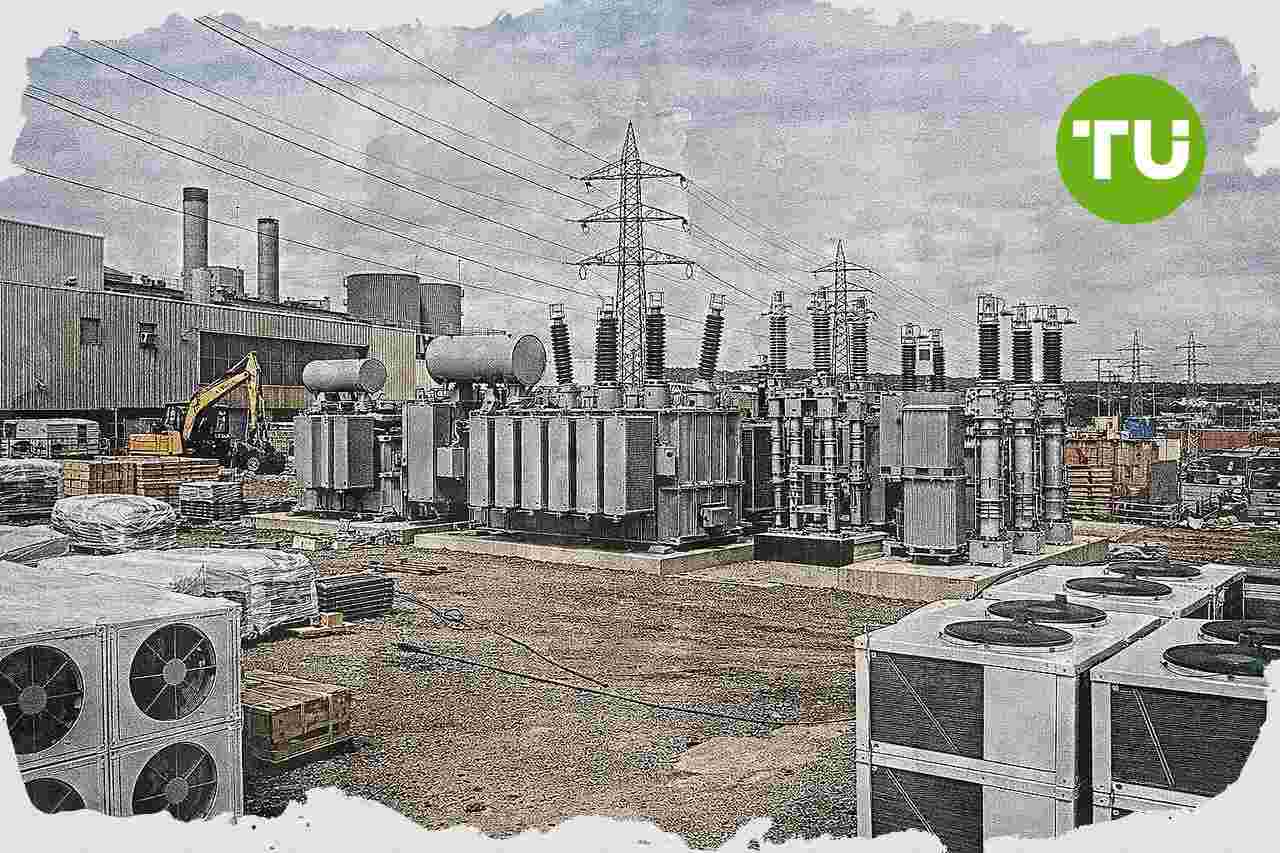
The European Commission is presenting a review of the EU Emissions Trading System and a new Electrification Action Plan as part of its push to align climate policy with competitiveness and energy security goals. The package also includes a proposal on future-proof electricity bills, with measures aimed at carbon pricing, grid efficiency, smart meter rollout and lower reliance on fossil fuels.
Highlights
- European Commission's ETS review aligns carbon market with 2040 climate target, redirects 50% of national ETS revenues to decarbonisation, and launches a 100 billion euro Industrial Decarbonisation Bank including a 30 billion euro ETS Investment Booster before 2030.
- ETS expansion brings maritime, aviation (including private jets after 2029), smaller ships, municipal waste incineration, and 250 million tonnes of domestic carbon removals into scope, while providing about 15 billion euros a year back to the shipping sector.
- Electrification Action Plan targets 50% smart meter coverage by 2030, 200 GW of storage capacity, less taxation on electricity versus gas, and aims to phase out 100 billion euros currently spent annually on fossil fuel subsidies.
Climate policy package targets investment and electrification
As reported by European Commission, citing remarks by the European Commission at the press conference, the package combines an ETS review, an Electrification Action Plan and a legislative proposal on electricity bills to reinforce the bloc's transition strategy. Commission Executive Vice-President Teresa Ribera says the measures are designed to preserve a credible carbon-price signal, improve reinvestment of ETS revenues and support a cleaner and more resilient European economy.The Commission says the ETS has generated 270 billion euros for decarbonisation investment and helped cut emissions in covered sectors, especially power generation, over the past two decades. The review keeps the system aligned with the EU's 2040 climate target and is intended to reward companies that invest early in decarbonisation while providing a more predictable framework for the next 20 years.
Climate Commissioner Wopke Hoekstra says the proposal links climate ambition with industrial competitiveness and energy independence. Under the plan, free allocations after 2030 continue in exchange for decarbonisation investment in Europe, member states are required to direct 50% of national ETS revenues to decarbonising ETS sectors, and a 100 billion euro Industrial Decarbonisation Bank, including a 30 billion euro ETS Investment Booster before 2030, is meant to scale up industrial investment.
The review also expands ETS coverage in several areas. The Commission says maritime shipping would receive about 15 billion euros a year back into the sector, smaller ships would come into scope with some exemptions, and more ports in the Southern Mediterranean and the UK would be added to address evasion risks. In aviation, carbon pricing would from 2029 apply to flights landing within 5,000 km of Europe's geographic centre, while private jets departing and landing would also be covered; municipal waste incineration and 250 million tonnes of permanent domestic carbon removals are also included in the proposed changes.
Power bills, fossil fuel dependence and industrial impact
Energy Commissioner Dan Jorgensen says the electrification plan is meant to reduce Europe's exposure to imported fossil fuels and lower structural energy costs for households and industry. The Commission argues that Europe's electrification rate has remained around 23% for a decade and that faster adoption of electricity in transport, heating and industry is necessary to strengthen resilience and competitiveness.The plan calls for electricity to be taxed less than gas, more efficient network charges and broader deployment of smart meters, with a target of at least 50% coverage by 2030 and 75% by 2033. It also points to 200 GW of storage capacity by 2030 and a future framework to phase out the 100 billion euros currently devoted to fossil fuel subsidies.
For industry, the Commission says electrification is already technically feasible for 60% of industrial energy demand, and the revised ETS is intended to help channel more capital into that shift. The package also backs sector-specific electrification roadmaps, support for grid connections and storage, and financing tools such as social leasing schemes and investment support for clean technologies.
In buildings, the Commission aims to accelerate heat pump deployment by 2030, arguing that switching from gas boilers could cut the average EU household heating bill by up to 60%. Officials say the broader strategy is to steer consumers and businesses toward cheaper home-grown electricity, while using climate policy to underpin industrial modernization, job creation and lower external energy dependence.
In our earlier article on the European Commission’s planned EU ETS overhaul, we explained how the proposals would steer a much larger share of carbon-market revenues toward industrial decarbonisation in exchange for investment in cleaner operations. We also noted plans to ease the future tightening of emissions restrictions by slowing the annual cut in allowances and extending permit availability into the 2040s, alongside a targeted expansion of aviation coverage limited to flights landing within 5,000 km of the EU.


Latest EU Sanctions News







-
 Afghanistan
-
 Albania
-
 Algeria
-
 Angola
-
 Argentina
-
 Armenia
-
 Australia
-
 Austria
-
 Azerbaijan
-
 Bahamas
-
 Bahrain
-
 Bangladesh
-
 Belarus
-
 Belgium
-
 Bolivia
-
 Botswana
-
 Brazil
-
 Brunei
-
 Bulgaria
-
 Cambodia
-
 Cameroon
-
 Canada
-
 Chile
Chile
-
 China
China
-
 Colombia
-
 Congo
Congo
-
 Costa Rica
-
 Cote d'Ivoire
-
 Croatia
-
 Cuba
Cuba
-
 Cyprus
-
 Czechia
-
 DR Congo
-
 Denmark
-
 Dominican Republic
-
 Ecuador
-
 Egypt
Egypt
-
 El Salvador
-
 Estonia
-
 Eswatini
-
 Ethiopia
-
 Finland
-
 France
-
 Georgia
-
 Germany
-
 Ghana
Ghana
-
 Greece
-
 Haiti
Haiti
-
 Hong Kong
-
 Hungary
-
 India
India
-
 Indonesia
-
 Iran, Islamic republic
-
 Iraq
Iraq
-
 Ireland
-
 Israel
-
 Italy
Italy
-
 Jamaica
-
 Japan
Japan
-
 Jordan
-
 Kazakhstan
-
 Kenya
Kenya
-
 Korea
Korea
-
 Kuwait
-
 Kyrgyzstan
-
 Laos
Laos
-
 Latvia
-
 Lebanon
-
 Lesotho
-
 Libya
Libya
-
 Lithuania
-
 Luxembourg
-
 Madagascar
-
 Malaysia
-
 Malta
Malta
-
 Mauritius
-
 Mexico
-
 Moldova
-
 Mongolia
-
 Montenegro
-
 Morocco
-
 Mozambique
-
 Myanmar
-
 Namibia
-
 Nepal
Nepal
-
 Netherlands
-
 New Zealand
-
 Nigeria
-
 North Macedonia
-
 Norway
-
 Oman
Oman
-
 Pakistan
-
 Palestine
-
 Panama
-
 Papua New Guinea
-
 Paraguay
-
 Peru
Peru
-
 Philippines
-
 Poland
-
 Portugal
-
 Puerto Rico
-
 Qatar
Qatar
-
 Reunion
-
 Romania
-
 Rwanda
-
 Saudi Arabia
-
 Serbia
-
 Singapore
-
 Slovakia
-
 Slovenia
-
 Somalia
-
 South Africa
-
 Spain
Spain
-
 Sri Lanka
-
 Sweden
-
 Switzerland
-
 Syria
Syria
-
 Taiwan
-
 Tajikistan
-
 Tanzania
-
 Thailand
-
 Trinidad and Tobago
-
 Tunisia
-
 Turkey
-
 UAE
UAE
-
 Uganda
-
 Ukraine
-
 United Kingdom
-
United States
-
 Uruguay
-
 Uzbekistan
-
 Venezuela
-
 Vietnam
-
 Yemen
Yemen
-
 Zambia
-
 Zimbabwe
- Forex
- Crypto











