
European Commission sets electrification plan to cut energy costs and fossil fuel dependence
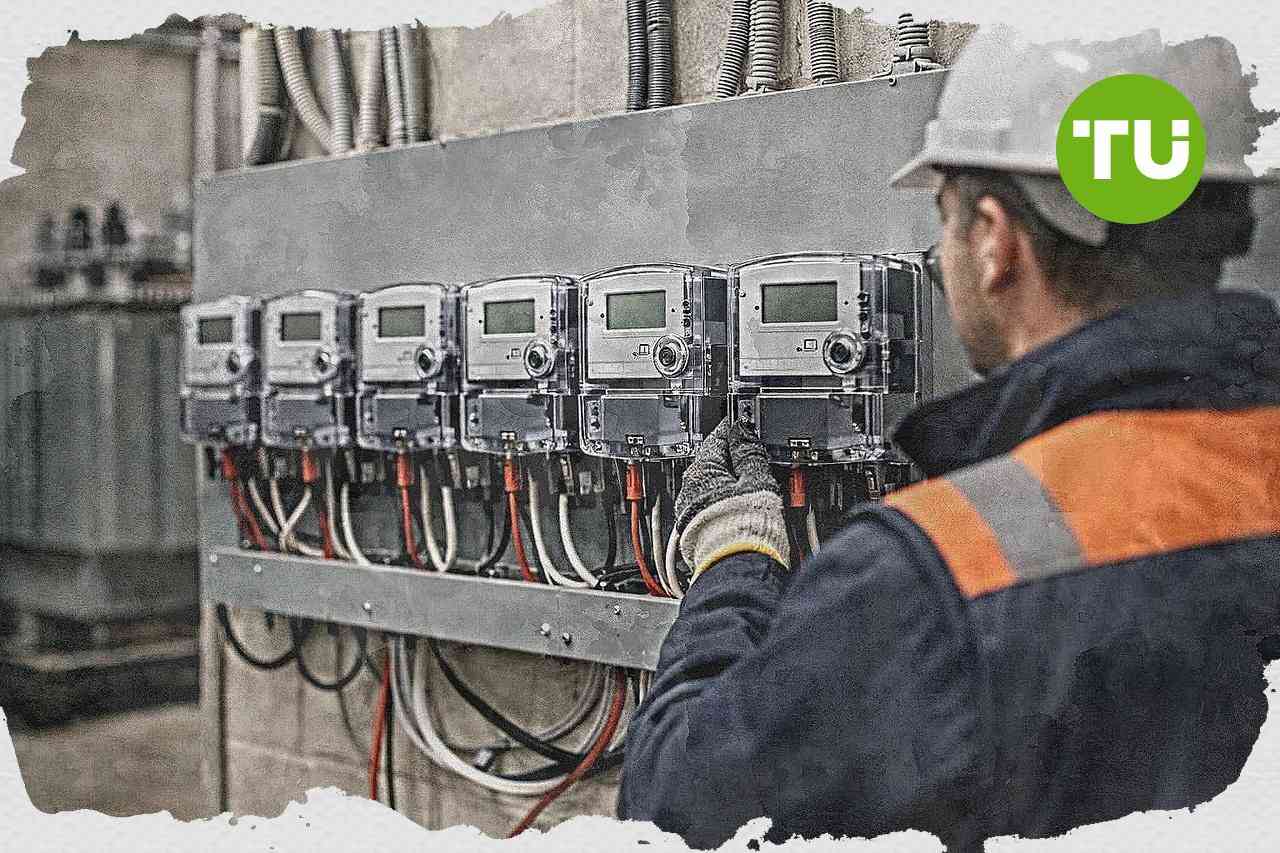
Europe is seeking to speed up electrification as high fossil fuel dependence leaves the economy exposed to geopolitical shocks, inflation and volatile energy markets. The European Commission says the plan supports an indicative 46% electrification target by 2040, up from a current 23% share of final energy use that has been unchanged for a decade.
Highlights
- European Commission's Electrification Action Plan targets electricity costs to not exceed two and a half times gas for households and twice for industry by 2030.
- The proposal enables Member States to reduce network charges and electricity taxation for energy-intensive industries, energy communities, and supports lower emissions through smarter grids and demand response.
- EU aims to double heat pump installations by 2030 versus 2025, with electric vehicles already representing 22.3% of new sales in April 2026 and increased support planned for transport electrification and industrial heat auctions.
Policy plan targets power prices and grid costs
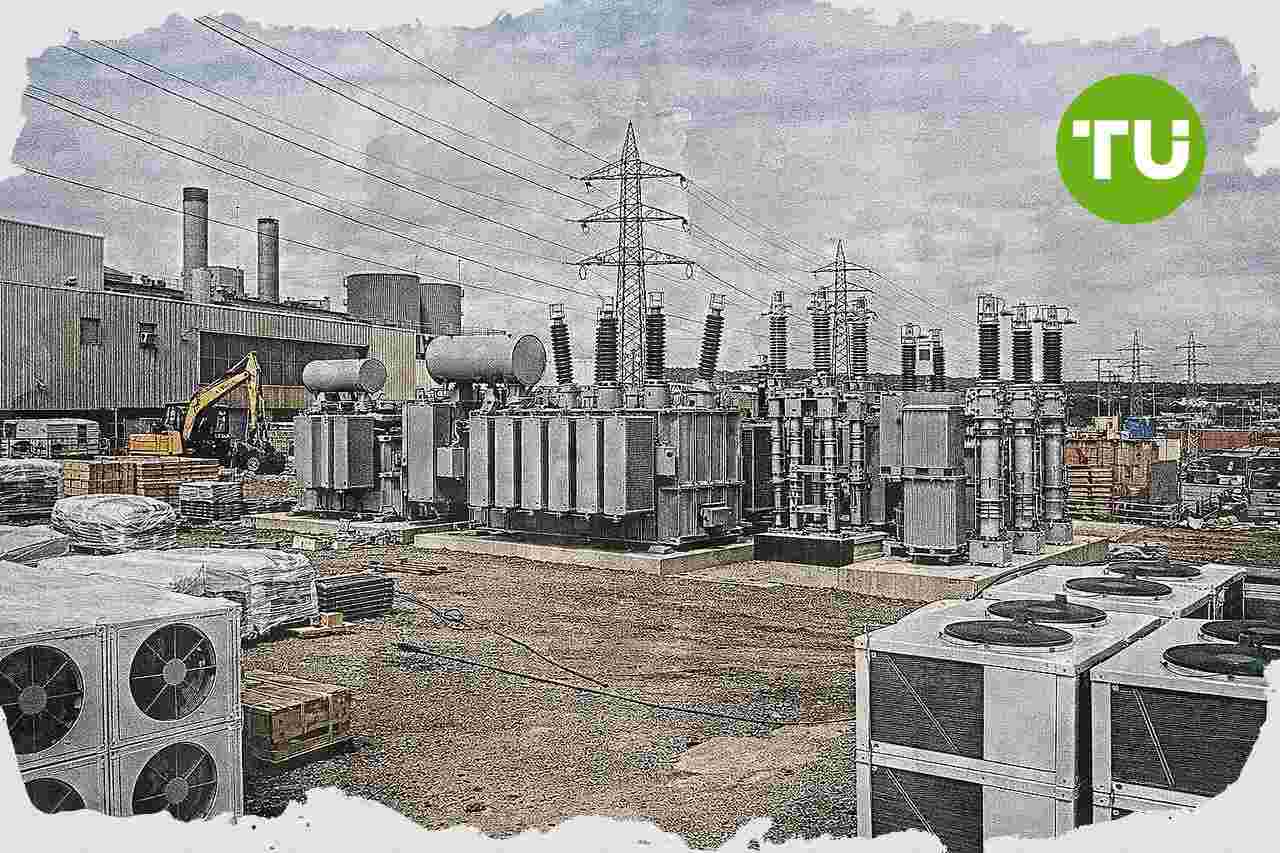
As outlined by the European Commission, the Electrification Action Plan is designed to make electricity more affordable than fossil fuels and support faster adoption of electric solutions by households, industry and transport operators. The package includes a legal proposal on network charges and encourages Member States to narrow the electricity-to-gas price gap, with a goal of keeping electricity costs at no more than two and a half times gas prices for households and no more than twice gas prices for industry by 2030.Network charges account for roughly a quarter of household electricity bills, and the Commission says more flexible transmission and distribution tariffs can improve grid use and reduce overall system costs. The proposal also allows Member States to cut taxes and grid charges for selected user groups, including energy-intensive industries and energy communities, while supporting lower taxation of electricity than natural gas.
The Commission says smarter meters, digital grids and better data exchange can help consumers shift electricity use to cheaper periods, including for electric vehicle charging. It adds that stronger demand response and storage should improve integration of renewable power and reduce unnecessary network spending.
Industry, transport and buildings face broader rollout
Industrial electrification is a central part of the plan, with the Commission saying around 60% of industrial energy demand now reliant on fuels is already technically electrifiable. It plans to work with sectors and EU countries on sector-specific roadmaps, support financing and power purchase agreements, and use grid data and planning tools to help align industrial demand with infrastructure development.Later in 2026, the Commission says it will launch a second industrial heat auction under the Innovation Fund focused on heat pumps and industrial flexibility. It is also preparing two sets of guidance under the Net-Zero Industry Act, while the ETS review is expected to create additional incentives for industrial electrification.
In transport, the Commission says electric vehicles reached 22.3% of new sales in April 2026 and it wants to support wider uptake through fiscal incentives, social leasing and charging infrastructure expansion, especially for heavy-duty vehicles. For buildings, it says replacing gas and oil boilers with heat pumps could cut bills by up to 60%, and the EU wants to double heat pump installations by 2030 versus 2025 while expanding financing tools for renovations and clean heating.
The plan also has a supply chain and labour dimension. The Commission says a new Electrification Action Plan Alliance will bring together public authorities, businesses and energy sector participants, while additional training, qualification portability and certification measures are intended to strengthen Europe's clean technology workforce and manufacturing base.
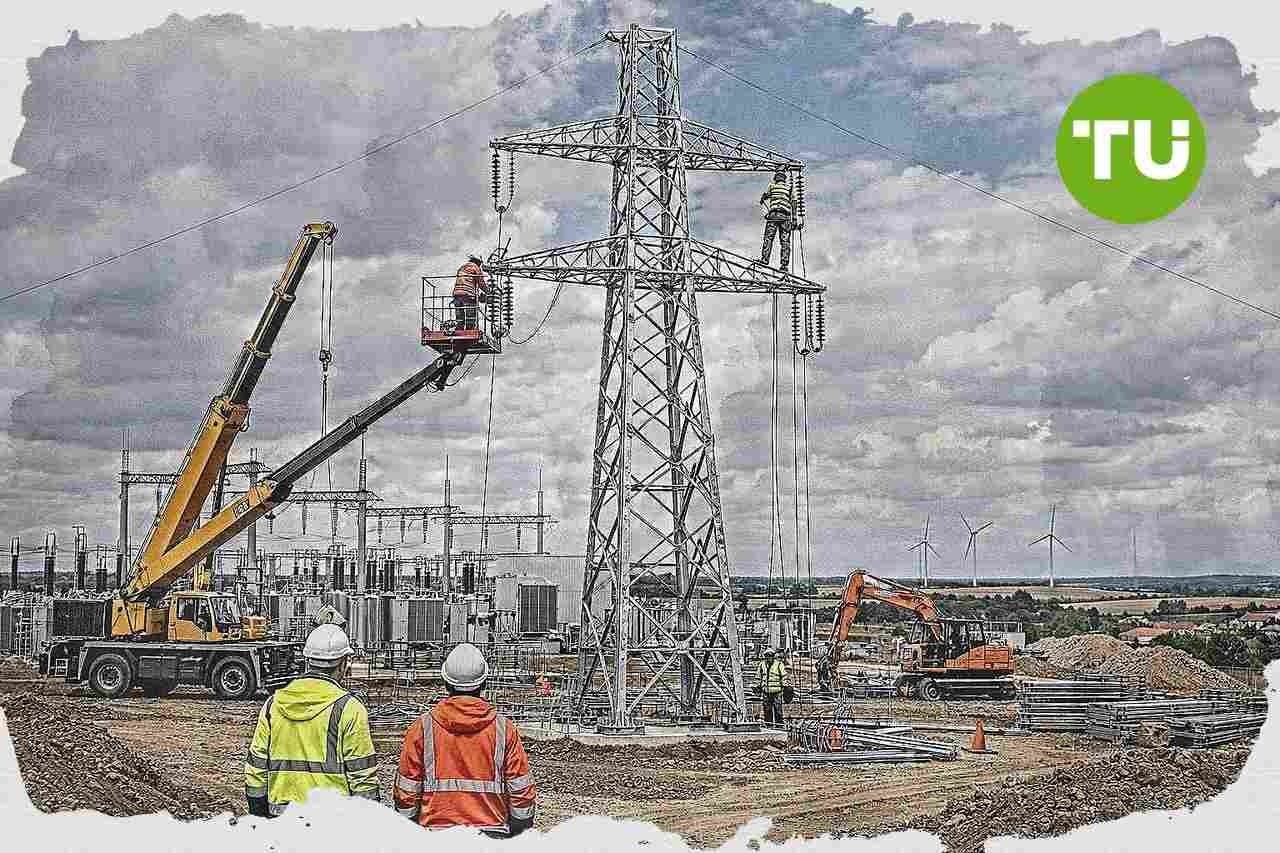
In our earlier article on National Grid’s $1.75 billion investment in Joulent, we covered the utility’s push to expand power infrastructure in response to rising electricity demand. We also noted its plan to add more than 10 gigawatts of grid capacity across the UK and US over the next five years, alongside a discussion of key technical levels and mixed momentum signals for NG shares.


Latest EU Sanctions News





-
 Afghanistan
-
 Albania
-
 Algeria
-
 Angola
-
 Argentina
-
 Armenia
-
 Australia
-
 Austria
-
 Azerbaijan
-
 Bahamas
-
 Bahrain
-
 Bangladesh
-
 Belarus
-
 Belgium
-
 Bolivia
-
 Botswana
-
 Brazil
-
 Brunei
-
 Bulgaria
-
 Cambodia
-
 Cameroon
-
 Canada
-
 Chile
Chile
-
 China
China
-
 Colombia
-
 Congo
Congo
-
 Costa Rica
-
 Cote d'Ivoire
-
 Croatia
-
 Cuba
Cuba
-
 Cyprus
-
 Czechia
-
 DR Congo
-
 Denmark
-
 Dominican Republic
-
 Ecuador
-
 Egypt
Egypt
-
 El Salvador
-
 Estonia
-
 Eswatini
-
 Ethiopia
-
 Finland
-
 France
-
 Georgia
-
 Germany
-
 Ghana
Ghana
-
 Greece
-
 Haiti
Haiti
-
 Hong Kong
-
 Hungary
-
 India
India
-
 Indonesia
-
 Iran, Islamic republic
-
 Iraq
Iraq
-
 Ireland
-
 Israel
-
 Italy
Italy
-
 Jamaica
-
 Japan
Japan
-
 Jordan
-
 Kazakhstan
-
 Kenya
Kenya
-
 Korea
Korea
-
 Kuwait
-
 Kyrgyzstan
-
 Laos
Laos
-
 Latvia
-
 Lebanon
-
 Lesotho
-
 Libya
Libya
-
 Lithuania
-
 Luxembourg
-
 Madagascar
-
 Malaysia
-
 Malta
Malta
-
 Mauritius
-
 Mexico
-
 Moldova
-
 Mongolia
-
 Montenegro
-
 Morocco
-
 Mozambique
-
 Myanmar
-
 Namibia
-
 Nepal
Nepal
-
 Netherlands
-
 New Zealand
-
 Nigeria
-
 North Macedonia
-
 Norway
-
 Oman
Oman
-
 Pakistan
-
 Palestine
-
 Panama
-
 Papua New Guinea
-
 Paraguay
-
 Peru
Peru
-
 Philippines
-
 Poland
-
 Portugal
-
 Puerto Rico
-
 Qatar
Qatar
-
 Reunion
-
 Romania
-
 Rwanda
-
 Saudi Arabia
-
 Serbia
-
 Singapore
-
 Slovakia
-
 Slovenia
-
 Somalia
-
 South Africa
-
 Spain
Spain
-
 Sri Lanka
-
 Sweden
-
 Switzerland
-
 Syria
Syria
-
 Taiwan
-
 Tajikistan
-
 Tanzania
-
 Thailand
-
 Trinidad and Tobago
-
 Tunisia
-
 Turkey
-
 UAE
UAE
-
 Uganda
-
 Ukraine
-
 United Kingdom
-
United States
-
 Uruguay
-
 Uzbekistan
-
 Venezuela
-
 Vietnam
-
 Yemen
Yemen
-
 Zambia
-
 Zimbabwe
- Forex
- Crypto











