
European Commission unveils electrification plan and ETS overhaul for EU industry
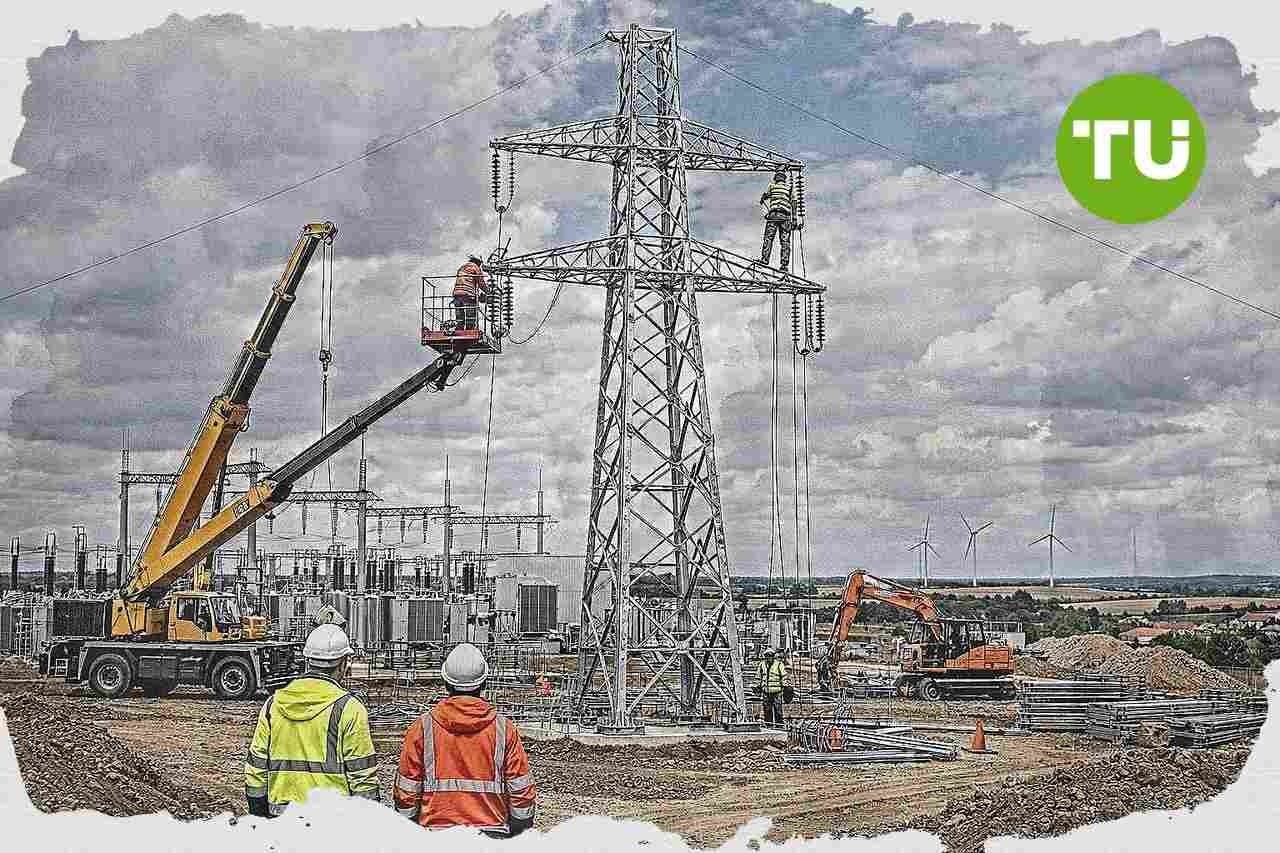
Facing high energy costs and continued exposure to imported fossil fuels, the European Commission is presenting an Electrification Action Plan alongside a review of the EU Emissions Trading System to strengthen competitiveness, decarbonisation and energy independence. The package includes an indicative 46% electrification target by 2040 and a revised carbon market framework intended to channel more investment into industrial transition before 2030.
Highlights
- European Commission targets a 46% EU electrification rate by 2040, projecting annual fossil fuel import savings of 260 billion euros and enhanced energy security.
- ETS overhaul raises the Linear Reduction Factor to 3.7% (2031-2035) and 1.7% (2036-2040), allows 2% high-quality international credits, and adds 100 billion euros industrial decarbonisation funding.
- Proposals include reducing electricity costs relative to gas, expanding smart meter rollout, and mandating up to 50% of national ETS revenues for decarbonising ETS sectors.
Electrification targets and carbon market changes
As reported by the European Commission, the package is designed to accelerate the shift of industry, transport and buildings toward electricity, at a time when 70% of EU electricity is generated from domestic clean energy sources but the bloc's electrification rate has remained at 23% over the past decade.The Commission says it will assess an indicative electrification target of 46% by 2040 as part of the post-2030 Energy Union package. It says achieving that level could reduce the EU's fossil fuel import bill by 260 billion euros a year by 2040, while improving energy security, resilience and price competitiveness.
The ETS review keeps the system's role in the climate transition but adjusts its trajectory to reflect current geopolitical and economic pressures on EU industry. The proposal updates the Linear Reduction Factor to 3.7% for 2031-2035 and 1.7% for 2036-2040, and allows up to 2% in high-quality international credits in 2036-2040 to support decarbonisation projects abroad and provide flexibility as domestic emissions cuts become harder.
The revised framework also centers on investment. The Commission says the Industrial Decarbonisation Bank will have 100 billion euros in funding for industrial decarbonisation, with an ETS Investment Booster available before 2030 as the bank's first phase, while member states will be required to spend 50% of national ETS revenues on decarbonising ETS sectors.
Free allocation for companies will continue beyond 2030 and will be more closely tied to decarbonisation investments in Europe. The proposal also integrates permanent carbon removals into the EU ETS, increases free allocation to industry by 6 billion euros for 2026-2030 through a separate benchmarks proposal, and slows the reduction of free allocation for sectors covered by the Carbon Border Adjustment Mechanism until 2038.
Industry relief and consumer energy implications
The Commission is also proposing changes to the Market Stability Reserve to strengthen market stability, preserve liquidity and reduce excessive price volatility, complementing its April proposal to stop the automatic invalidation of allowances held in the reserve. It says the review also strengthens the EU ETS for aviation and maritime and extends it to waste incineration, aiming to create business opportunities, address circumvention risks and align with international developments.For consumers and businesses, the Electrification Action Plan is focused on narrowing the price gap between electricity and fossil fuels and speeding up adoption of technologies such as heat pumps, electric vehicles and batteries. The Commission says electricity often costs three times more than gas, while slow grid connections and weak commercial incentives have held back wider deployment.
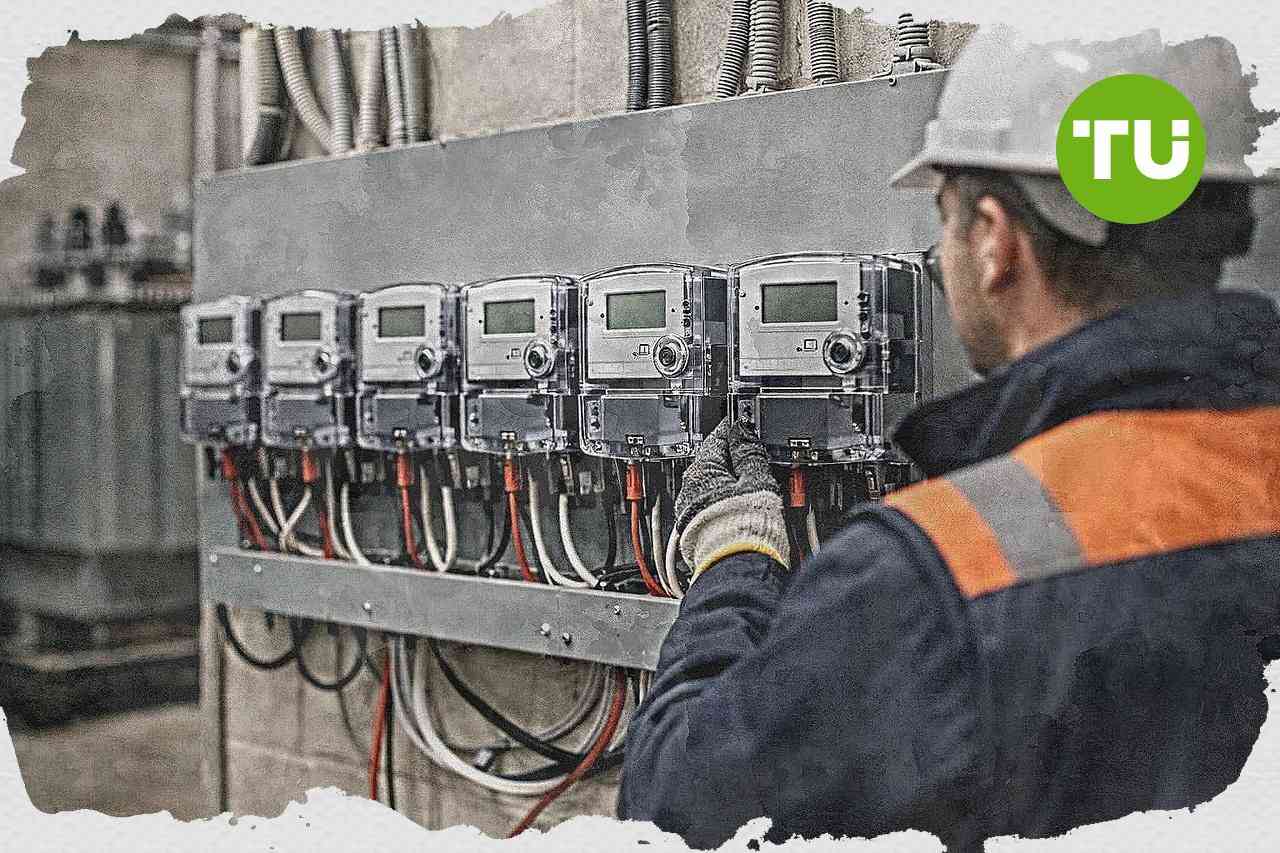
Its proposal to future-proof electricity bills would allow member states to reduce network charges for some consumer groups and taxes for energy-intensive businesses, while expanding smart meter deployment and seeking to ensure electricity is not taxed more heavily than gas. The plan also outlines tools to cut upfront costs in buildings, transport and industry, including social leasing schemes, ETS financial instruments, the Social Climate Fund, the Industrial Decarbonisation Bank and a Clean Heat Market mechanism.
The Commission adds that faster grid deployment remains essential to make electrification possible at scale. It says the Grids Package proposed last year should be adopted by co-legislators by the end of the year, while broader support for manufacturing capacity, investment pipelines and workforce skills could help unlock job creation across Europe's clean energy value chain.
In our earlier article on the European Commission’s planned EU ETS overhaul, we covered proposals to direct more carbon-market revenue to heavy industry while easing the pace of future emissions tightening. The changes would keep free allowances tied more closely to investment in cleaner operations in Europe, slow the post-2030 reduction in available permits, and adjust elements of the system’s scope to reduce cross-border friction.


Latest EU Sanctions News





-
 Afghanistan
-
 Albania
-
 Algeria
-
 Angola
-
 Argentina
-
 Armenia
-
 Australia
-
 Austria
-
 Azerbaijan
-
 Bahamas
-
 Bahrain
-
 Bangladesh
-
 Belarus
-
 Belgium
-
 Bolivia
-
 Botswana
-
 Brazil
-
 Brunei
-
 Bulgaria
-
 Cambodia
-
 Cameroon
-
 Canada
-
 Chile
Chile
-
 China
China
-
 Colombia
-
 Congo
Congo
-
 Costa Rica
-
 Cote d'Ivoire
-
 Croatia
-
 Cuba
Cuba
-
 Cyprus
-
 Czechia
-
 DR Congo
-
 Denmark
-
 Dominican Republic
-
 Ecuador
-
 Egypt
Egypt
-
 El Salvador
-
 Estonia
-
 Eswatini
-
 Ethiopia
-
 Finland
-
 France
-
 Georgia
-
 Germany
-
 Ghana
Ghana
-
 Greece
-
 Haiti
Haiti
-
 Hong Kong
-
 Hungary
-
 India
India
-
 Indonesia
-
 Iran, Islamic republic
-
 Iraq
Iraq
-
 Ireland
-
 Israel
-
 Italy
Italy
-
 Jamaica
-
 Japan
Japan
-
 Jordan
-
 Kazakhstan
-
 Kenya
Kenya
-
 Korea
Korea
-
 Kuwait
-
 Kyrgyzstan
-
 Laos
Laos
-
 Latvia
-
 Lebanon
-
 Lesotho
-
 Libya
Libya
-
 Lithuania
-
 Luxembourg
-
 Madagascar
-
 Malaysia
-
 Malta
Malta
-
 Mauritius
-
 Mexico
-
 Moldova
-
 Mongolia
-
 Montenegro
-
 Morocco
-
 Mozambique
-
 Myanmar
-
 Namibia
-
 Nepal
Nepal
-
 Netherlands
-
 New Zealand
-
 Nigeria
-
 North Macedonia
-
 Norway
-
 Oman
Oman
-
 Pakistan
-
 Palestine
-
 Panama
-
 Papua New Guinea
-
 Paraguay
-
 Peru
Peru
-
 Philippines
-
 Poland
-
 Portugal
-
 Puerto Rico
-
 Qatar
Qatar
-
 Reunion
-
 Romania
-
 Rwanda
-
 Saudi Arabia
-
 Serbia
-
 Singapore
-
 Slovakia
-
 Slovenia
-
 Somalia
-
 South Africa
-
 Spain
Spain
-
 Sri Lanka
-
 Sweden
-
 Switzerland
-
 Syria
Syria
-
 Taiwan
-
 Tajikistan
-
 Tanzania
-
 Thailand
-
 Trinidad and Tobago
-
 Tunisia
-
 Turkey
-
 UAE
UAE
-
 Uganda
-
 Ukraine
-
 United Kingdom
-
United States
-
 Uruguay
-
 Uzbekistan
-
 Venezuela
-
 Vietnam
-
 Yemen
Yemen
-
 Zambia
-
 Zimbabwe
- Forex
- Crypto











