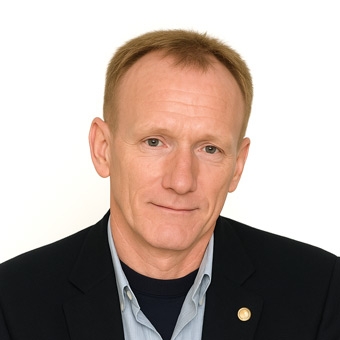
UK government signals greater public control of essential services to curb inflation
Britain's incoming prime minister Andy Burnham is setting out a broader economic shift as he links inflation control to the state’s role in essential services. His comments place housing, water, energy and transport at the center of a debate over affordability, public spending and local power.
Highlights
- New Labour leader Burnham advocates greater public control of essential services, saying it is necessary to manage inflation and core household costs.
- Burnham highlights that decades of privatisation have left Britain with limited influence over key sectors like housing, water, energy, and transport.
- Thames Water, with debt of about 20 billion pounds, remains under pressure as public ownership and the future structure of UK utilities are debated.
Policy shift on inflation and essentials
As reported by Reuters, Burnham says the government cannot control inflation effectively without stronger public control over the cost of essential services, framing the issue as central to wider economic management.Speaking after his confirmation as the new Labour Party leader, succeeding Keir Starmer, he argues that Britain lacks sufficient control over core household costs. He says privatisation since the 1980s has left the country exposed by surrendering influence over housing, water, energy and transport.
Burnham also presents the change as part of a longer-term effort to make daily life more affordable. He says the approach would help reverse what he describes as a transfer of power away from local communities and regions, while supporting greater devolution to local leaders.
Pressure on water and wider service debate
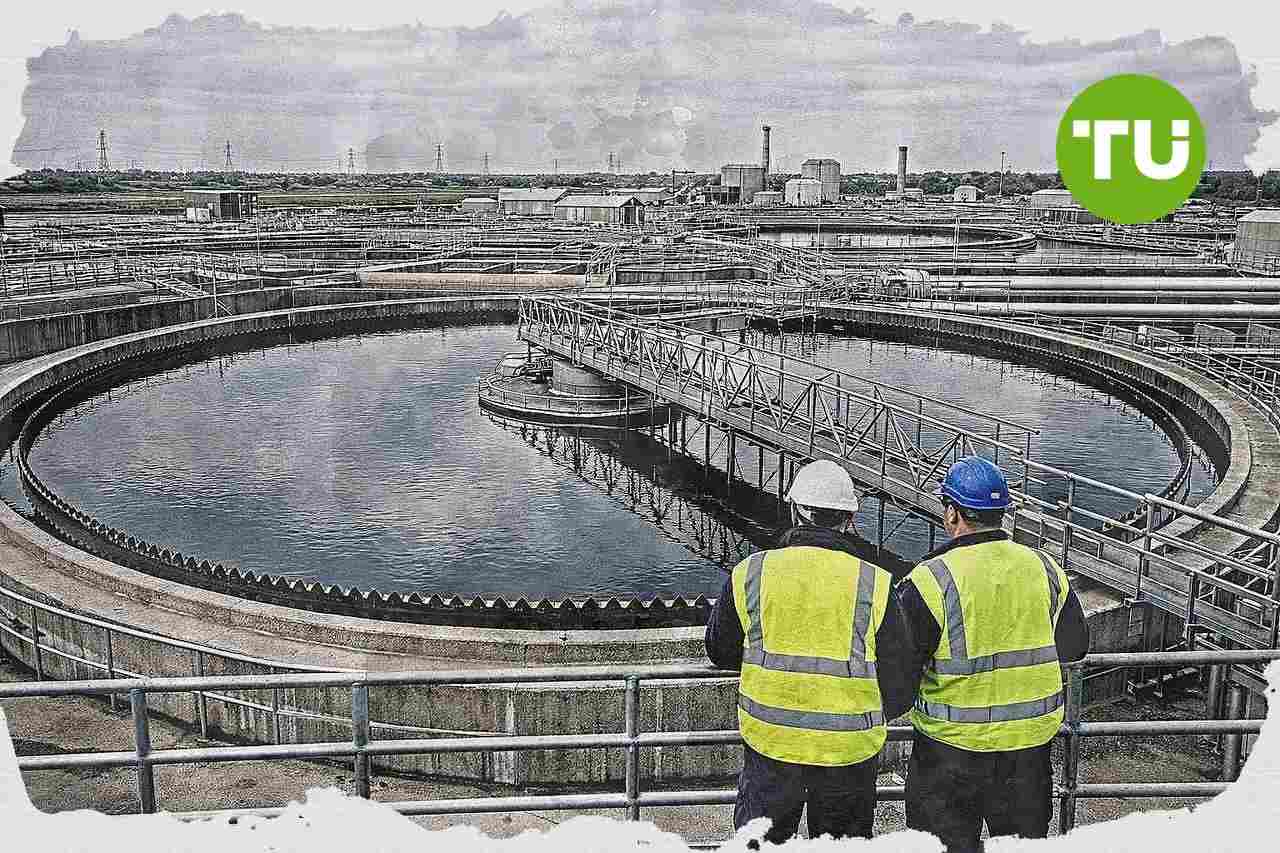
The remarks come as Britain is debating the future of major utilities, including Thames Water, the country's biggest water supplier. Burnham has previously said public ownership would be the best option for the company.Thames Water is seeking to avoid the government's special administration process after years of financial difficulties. The company is carrying about 20 billion pounds of debt, adding to the political and financial pressure around the future structure of essential services in the UK.
In our earlier article on Andy Burnham’s rapid path to the Labour leadership, we explained how his allies’ long-running internal strategy helped him replace Keir Starmer without a contested race. We also noted that Burnham was expected to move quickly on a governing agenda focused on easing living costs, pushing devolution, and preparing major public-service reforms, including possible action involving Thames Water.


Latest Housing Market News







-
 Afghanistan
-
 Albania
-
 Algeria
-
 Angola
-
 Argentina
-
 Armenia
-
 Australia
-
 Austria
-
 Azerbaijan
-
 Bahamas
-
 Bahrain
-
 Bangladesh
-
 Belarus
-
 Belgium
-
 Bolivia
-
 Botswana
-
 Brazil
-
 Brunei
-
 Bulgaria
-
 Cambodia
-
 Cameroon
-
 Canada
-
 Chile
Chile
-
 China
China
-
 Colombia
-
 Congo
Congo
-
 Costa Rica
-
 Cote d'Ivoire
-
 Croatia
-
 Cuba
Cuba
-
 Cyprus
-
 Czechia
-
 DR Congo
-
 Denmark
-
 Dominican Republic
-
 Ecuador
-
 Egypt
Egypt
-
 El Salvador
-
 Estonia
-
 Eswatini
-
 Ethiopia
-
 Finland
-
 France
-
 Georgia
-
 Germany
-
 Ghana
Ghana
-
 Greece
-
 Haiti
Haiti
-
 Hong Kong
-
 Hungary
-
 India
India
-
 Indonesia
-
 Iran, Islamic republic
-
 Iraq
Iraq
-
 Ireland
-
 Israel
-
 Italy
Italy
-
 Jamaica
-
 Japan
Japan
-
 Jordan
-
 Kazakhstan
-
 Kenya
Kenya
-
 Korea
Korea
-
 Kuwait
-
 Kyrgyzstan
-
 Laos
Laos
-
 Latvia
-
 Lebanon
-
 Lesotho
-
 Libya
Libya
-
 Lithuania
-
 Luxembourg
-
 Madagascar
-
 Malaysia
-
 Malta
Malta
-
 Mauritius
-
 Mexico
-
 Moldova
-
 Mongolia
-
 Montenegro
-
 Morocco
-
 Mozambique
-
 Myanmar
-
 Namibia
-
 Nepal
Nepal
-
 Netherlands
-
 New Zealand
-
 Nigeria
-
 North Macedonia
-
 Norway
-
 Oman
Oman
-
 Pakistan
-
 Palestine
-
 Panama
-
 Papua New Guinea
-
 Paraguay
-
 Peru
Peru
-
 Philippines
-
 Poland
-
 Portugal
-
 Puerto Rico
-
 Qatar
Qatar
-
 Reunion
-
 Romania
-
 Rwanda
-
 Saudi Arabia
-
 Serbia
-
 Singapore
-
 Slovakia
-
 Slovenia
-
 Somalia
-
 South Africa
-
 Spain
Spain
-
 Sri Lanka
-
 Sweden
-
 Switzerland
-
 Syria
Syria
-
 Taiwan
-
 Tajikistan
-
 Tanzania
-
 Thailand
-
 Trinidad and Tobago
-
 Tunisia
-
 Turkey
-
 UAE
UAE
-
 Uganda
-
 Ukraine
-
 United Kingdom
-
United States
-
 Uruguay
-
 Uzbekistan
-
 Venezuela
-
 Vietnam
-
 Yemen
Yemen
-
 Zambia
-
 Zimbabwe
- Forex
- Crypto











