
Idaho Energy Resources Authority revenue bonds affirmed at AA with stable outlook
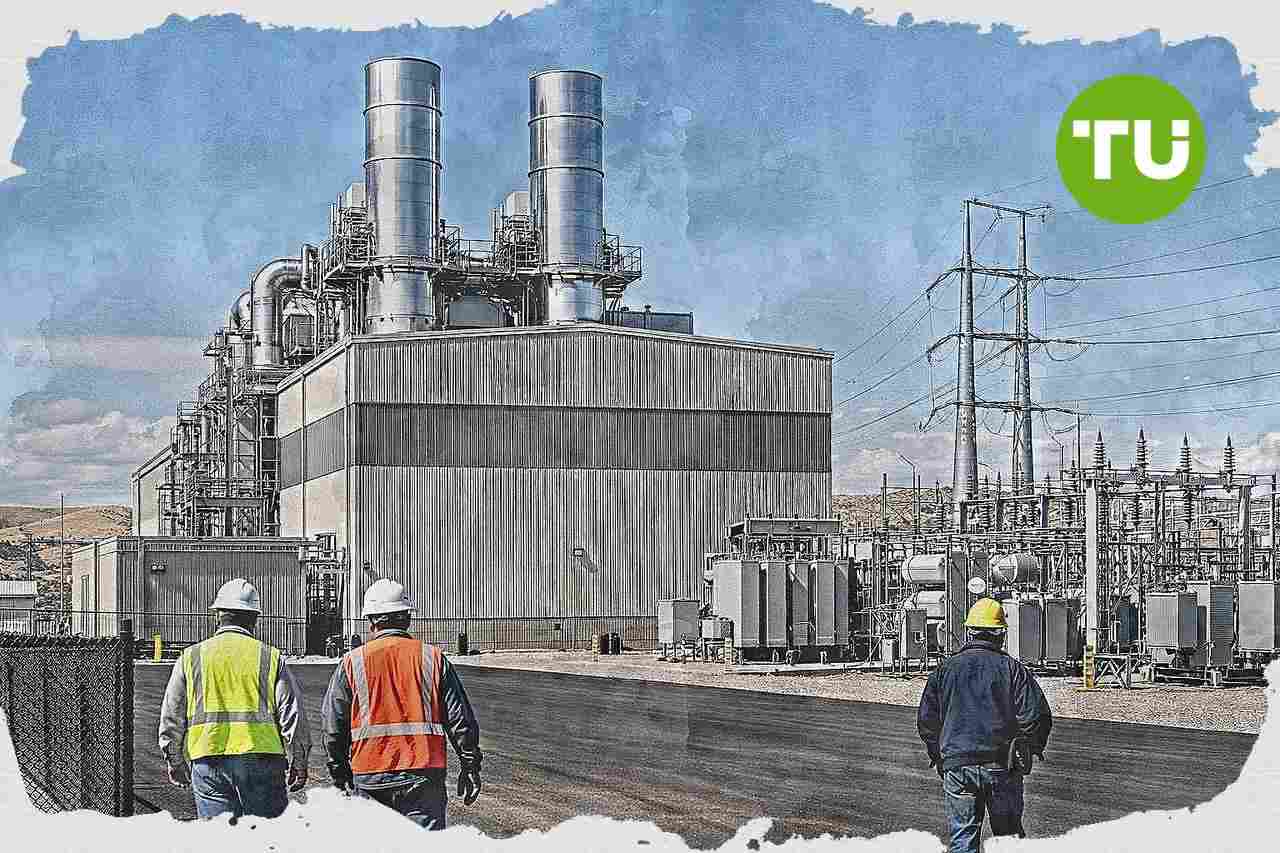
Idaho Falls Power maintains a strong credit position as Fitch Ratings affirms the 'AA' rating on about $56 million of outstanding power supply revenue bonds issued by the Idaho Energy Resources Authority. The stable outlook reflects very low leverage, low operating costs and expectations that capital spending will remain manageable even as debt metrics rise in the near term.
Highlights
- Fitch affirmed Idaho Energy Resources Authority revenue bonds at AA with stable outlook, citing Idaho Falls Power's 2.1x leverage ratio and very low operating costs.
- Customer growth averaged 2.6% annually over five years, with the completion of a 17.5 MW gas peaking plant in 2025 expected to boost cost predictability and supply flexibility.
- Fitch projects leverage to rise above 5.0x as capital program continues, with $67.9 million cash (461 days on hand) at FY2025-end, but warns of negative rating pressure if leverage exceeds 6x.
Credit strengths and bond security
As reported by Fitch Ratings, the bonds are secured by the Idaho Energy Resources Authority's interests in the power sales agreement, including capacity payments made by Idaho Falls under that contract, as well as trustee-held funds under the indenture.The rating is supported by Idaho Falls Power's very strong financial profile and very low operating cost burden. Fitch says the utility's leverage ratio is 2.1x in fiscal 2025, a level it views as very low relative to the system's revenue defensibility and operating risk profile.
Fitch also assesses Idaho Falls Power's standalone credit profile at 'aa', indicating the electric system's credit quality on its own basis, regardless of its relationship with the city of Idaho Falls. The utility benefits from independent rate-setting authority without external regulatory oversight, while its electric rates remain materially below the Idaho state average.
Service area characteristics are favorable, with customer growth averaging 2.6% over the past five years, including gains tied to the 2021 buyout of part of Rocky Mountain Power's assets and customers. Fitch says wholesale activity accounted for 10% of revenue in fiscal 2025, a manageable level for a hydroelectric-dominant system.
Capital program and utility sector implications
Idaho Falls Power's operating risk profile is anchored by low costs that have averaged 7.2 cents per kWh over the past five years. Fitch says the completion of a 17.5 MW natural gas-fired peaking plant in 2025 gives the utility an alternative to expensive wholesale market purchases during periods of high demand and adds cost predictability.The agency notes that operating cost flexibility is weaker because of reliance on a singular fuel type, but says this does not constrain the rating because the hydroelectric-heavy supply mix supports low-cost generation and excess power sales into the wholesale market. The portfolio also includes a long-term power supply contract with Bonneville Power Administration, five owned hydroelectric facilities, contracted power purchase agreements, the peaking plant and market purchases.
Fitch expects leverage to rise as the utility continues its capital program, which is funded entirely from operating revenue and cash reserves. In Fitch's rating case, leverage is expected to increase to above 5.0x, while liquidity and coverage remain in line with historical levels; negative rating pressure could emerge if leverage stays above 6x, while lower dependence on wholesale revenue could support positive rating action.
At the end of fiscal 2025, cash totals $67.9 million, equal to 461 days cash on hand, comfortably above the utility's own financial policy. Fitch adds that the credit quality of the city of Idaho Falls does not currently constrain the bond rating, though a deterioration in the city's credit quality could become a limiting factor.
Our earlier coverage of South East Water’s liquidity and refinancing risks outlined how rising operating costs and tighter funding conditions are pressuring the utility as it negotiates new debt facilities. We noted that despite recent shareholder equity injections, regulatory penalties and wider sector scrutiny have weighed on investor and lender confidence, increasing the risk of funding strain after its stated resources run through July 2027.


Latest WeTrade FX News






-
 Afghanistan
-
 Albania
-
 Algeria
-
 Angola
-
 Argentina
-
 Armenia
-
 Australia
-
 Austria
-
 Azerbaijan
-
 Bahamas
-
 Bahrain
-
 Bangladesh
-
 Belarus
-
 Belgium
-
 Bolivia
-
 Botswana
-
 Brazil
-
 Brunei
-
 Bulgaria
-
 Cambodia
-
 Cameroon
-
 Canada
-
 Chile
Chile
-
 China
China
-
 Colombia
-
 Congo
Congo
-
 Costa Rica
-
 Cote d'Ivoire
-
 Croatia
-
 Cuba
Cuba
-
 Cyprus
-
 Czechia
-
 DR Congo
-
 Denmark
-
 Dominican Republic
-
 Ecuador
-
 Egypt
Egypt
-
 El Salvador
-
 Estonia
-
 Eswatini
-
 Ethiopia
-
 Finland
-
 France
-
 Georgia
-
 Germany
-
 Ghana
Ghana
-
 Greece
-
 Haiti
Haiti
-
 Hong Kong
-
 Hungary
-
 India
India
-
 Indonesia
-
 Iran, Islamic republic
-
 Iraq
Iraq
-
 Ireland
-
 Israel
-
 Italy
Italy
-
 Jamaica
-
 Japan
Japan
-
 Jordan
-
 Kazakhstan
-
 Kenya
Kenya
-
 Korea
Korea
-
 Kuwait
-
 Kyrgyzstan
-
 Laos
Laos
-
 Latvia
-
 Lebanon
-
 Lesotho
-
 Libya
Libya
-
 Lithuania
-
 Luxembourg
-
 Madagascar
-
 Malaysia
-
 Malta
Malta
-
 Mauritius
-
 Mexico
-
 Moldova
-
 Mongolia
-
 Montenegro
-
 Morocco
-
 Mozambique
-
 Myanmar
-
 Namibia
-
 Nepal
Nepal
-
 Netherlands
-
 New Zealand
-
 Nigeria
-
 North Macedonia
-
 Norway
-
 Oman
Oman
-
 Pakistan
-
 Palestine
-
 Panama
-
 Papua New Guinea
-
 Paraguay
-
 Peru
Peru
-
 Philippines
-
 Poland
-
 Portugal
-
 Puerto Rico
-
 Qatar
Qatar
-
 Reunion
-
 Romania
-
 Rwanda
-
 Saudi Arabia
-
 Serbia
-
 Singapore
-
 Slovakia
-
 Slovenia
-
 Somalia
-
 South Africa
-
 Spain
Spain
-
 Sri Lanka
-
 Sweden
-
 Switzerland
-
 Syria
Syria
-
 Taiwan
-
 Tajikistan
-
 Tanzania
-
 Thailand
-
 Trinidad and Tobago
-
 Tunisia
-
 Turkey
-
 UAE
UAE
-
 Uganda
-
 Ukraine
-
 United Kingdom
-
United States
-
 Uruguay
-
 Uzbekistan
-
 Venezuela
-
 Vietnam
-
 Yemen
Yemen
-
 Zambia
-
 Zimbabwe
- Forex
- Crypto











