
South East Water seeks new funding as investor pressure weighs on liquidity
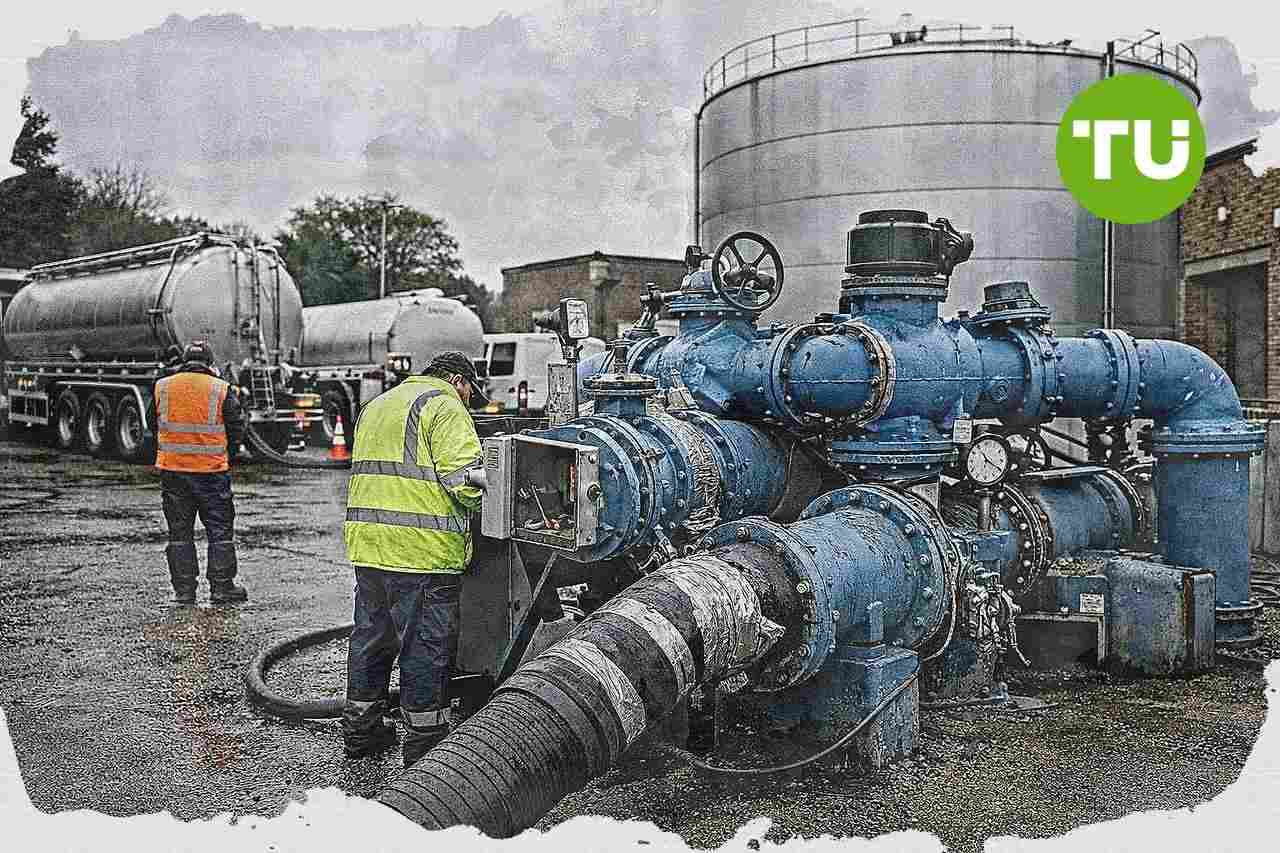
Rising operational costs and tighter financing conditions are intensifying pressure on South East Water as the utility works to preserve its financial viability. The company says it has resources through July 2027, but warns it needs new loan facilities shortly after that period to continue as a going concern.
Highlights
- South East Water is negotiating new debt facilities, facing liquidity risk if unable to secure funding shortly after July 2027, with 1.7 billion pounds in current debt.
- Shareholders injected 75 million pounds in December 2024 and 200 million pounds in May 2025, but investor and lender confidence suffers due to sector scrutiny and regulatory concerns.
- Regulator Ofwat imposed a 30.5 million pound penalty for supply interruptions, customer failings, and a licence breach affecting over 286,000 people from 2020 to 2026.
Funding talks and liquidity risks
As reported by Financial Times, South East Water says in its annual report that it is in discussions with lenders to raise new debt by the end of the summer while also taking measures to conserve cash. The utility serves about 2.2 million customers in Kent and nearby areas, and says advanced negotiations on new loan facilities for the first stage of its infrastructure rollout are nearing completion.The company says it has sufficient resources to continue through July 2027, but warns that it will need to secure additional borrowing shortly after that point to remain a going concern. It adds that if it cannot raise the extra liquidity, it would not have enough cash to meet its obligations, and that any further unforeseen operational incidents could accelerate that pressure.
South East Water carries debt of about 1.7 billion pounds. Its shareholders, Utilities Trust of Australia, Desjardins and the NatWest Group Pension Fund, injected about 75 million pounds of equity in December 2024 and a further 200 million pounds in May 2025.
Regulatory penalties and sector confidence
South East Water says public and political scrutiny of the water sector is hurting confidence among investors and potential lenders, making it harder to raise both debt and future equity. It links that pressure to wider concerns about the industry, including sewage pollution, executive pay, dividends and the difficulties at Thames Water, as debate continues over whether the government could place troubled providers into the special administration regime.The company also says service failures in December and January 2025 added about 57.5 million pounds in costs, including customer compensation, bottled water and tanker supplies. Those disruptions contributed to leadership changes after chair Chris Train and chief executive Dave Hinton resigned following a parliamentary investigation; John Halsall, formerly chief operating officer at Pennon, has been appointed chief executive.
Earlier this week, regulator Ofwat told South East Water to pay 30.5 million pounds over supply interruptions, customer failings and a licence breach. The amount includes a previously proposed 22 million pound fine tied to water supply failures between 2020 and 2023 that affected more than 286,000 people, along with penalties related to outages across Kent and Sussex between November 2025 and January 2026 and a credit rating downgrade.
In our earlier article on the Bank of England’s quantitative tightening and shrinking reserves, we explained how UK banks are increasingly relying on central bank repo facilities as gilt holdings are reduced. We also noted that the shift toward heavier use of short-term repo can create regulatory tensions and potentially increase volatility in short-term funding markets as reserve scarcity intensifies.


Latest American Water Works News





-
 Afghanistan
-
 Albania
-
 Algeria
-
 Angola
-
 Argentina
-
 Armenia
-
 Australia
-
 Austria
-
 Azerbaijan
-
 Bahamas
-
 Bahrain
-
 Bangladesh
-
 Belarus
-
 Belgium
-
 Bolivia
-
 Botswana
-
 Brazil
-
 Brunei
-
 Bulgaria
-
 Cambodia
-
 Cameroon
-
 Canada
-
 Chile
Chile
-
 China
China
-
 Colombia
-
 Congo
Congo
-
 Costa Rica
-
 Cote d'Ivoire
-
 Croatia
-
 Cuba
Cuba
-
 Cyprus
-
 Czechia
-
 DR Congo
-
 Denmark
-
 Dominican Republic
-
 Ecuador
-
 Egypt
Egypt
-
 El Salvador
-
 Estonia
-
 Eswatini
-
 Ethiopia
-
 Finland
-
 France
-
 Georgia
-
 Germany
-
 Ghana
Ghana
-
 Greece
-
 Haiti
Haiti
-
 Hong Kong
-
 Hungary
-
 India
India
-
 Indonesia
-
 Iran, Islamic republic
-
 Iraq
Iraq
-
 Ireland
-
 Israel
-
 Italy
Italy
-
 Jamaica
-
 Japan
Japan
-
 Jordan
-
 Kazakhstan
-
 Kenya
Kenya
-
 Korea
Korea
-
 Kuwait
-
 Kyrgyzstan
-
 Laos
Laos
-
 Latvia
-
 Lebanon
-
 Lesotho
-
 Libya
Libya
-
 Lithuania
-
 Luxembourg
-
 Madagascar
-
 Malaysia
-
 Malta
Malta
-
 Mauritius
-
 Mexico
-
 Moldova
-
 Mongolia
-
 Montenegro
-
 Morocco
-
 Mozambique
-
 Myanmar
-
 Namibia
-
 Nepal
Nepal
-
 Netherlands
-
 New Zealand
-
 Nigeria
-
 North Macedonia
-
 Norway
-
 Oman
Oman
-
 Pakistan
-
 Palestine
-
 Panama
-
 Papua New Guinea
-
 Paraguay
-
 Peru
Peru
-
 Philippines
-
 Poland
-
 Portugal
-
 Puerto Rico
-
 Qatar
Qatar
-
 Reunion
-
 Romania
-
 Rwanda
-
 Saudi Arabia
-
 Serbia
-
 Singapore
-
 Slovakia
-
 Slovenia
-
 Somalia
-
 South Africa
-
 Spain
Spain
-
 Sri Lanka
-
 Sweden
-
 Switzerland
-
 Syria
Syria
-
 Taiwan
-
 Tajikistan
-
 Tanzania
-
 Thailand
-
 Trinidad and Tobago
-
 Tunisia
-
 Turkey
-
 UAE
UAE
-
 Uganda
-
 Ukraine
-
 United Kingdom
-
United States
-
 Uruguay
-
 Uzbekistan
-
 Venezuela
-
 Vietnam
-
 Yemen
Yemen
-
 Zambia
-
 Zimbabwe
- Forex
- Crypto











