
Farnborough Airshow puts aircraft deals and defence demand in focus
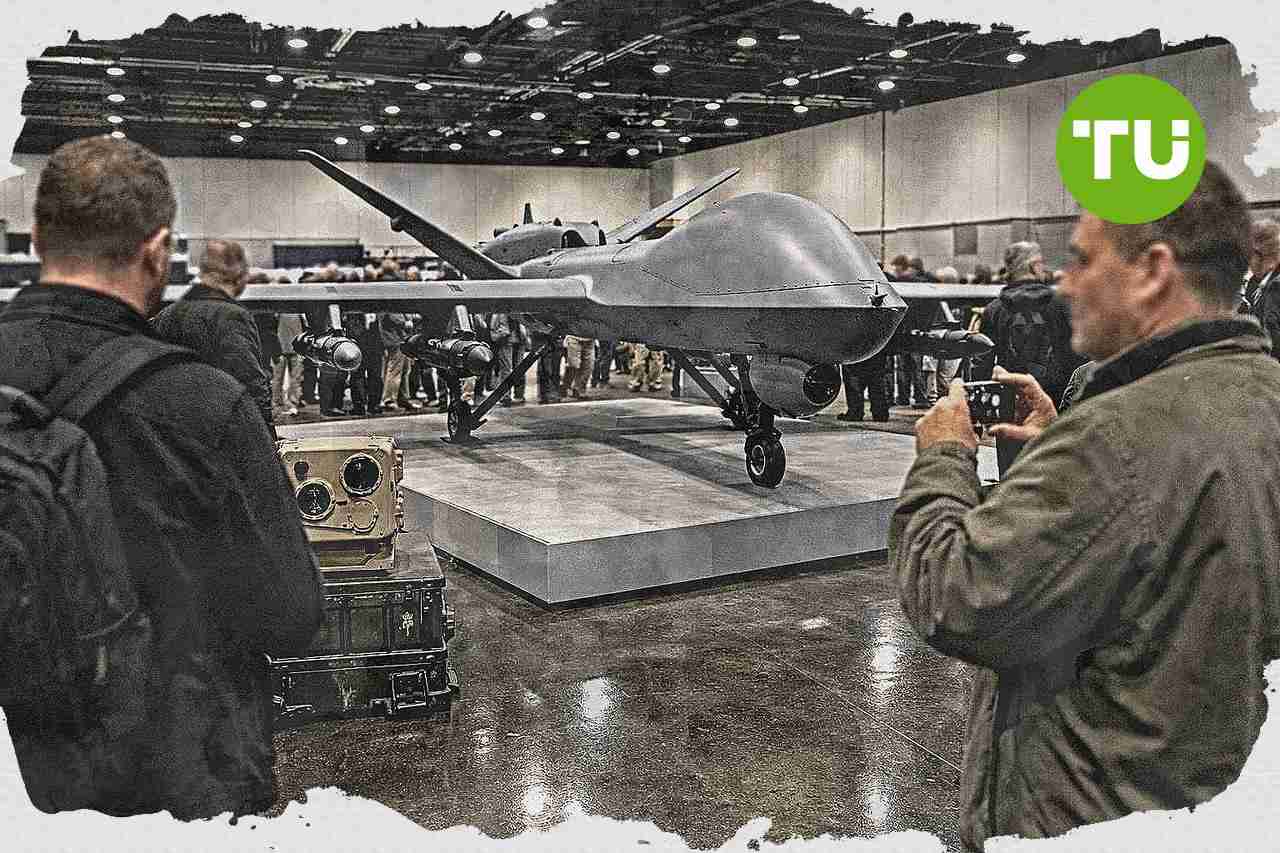
The Farnborough Airshow opens on Monday as Boeing and Airbus chase new commercial aircraft business while defence groups target rising military spending. The gathering highlights how supply-chain limits are tempering order expectations even as wars in Ukraine and the Middle East reshape aerospace priorities.
Highlights
- Airbus and Boeing are expected to secure just over 300 aircraft orders at the Farnborough Airshow, well below analyst estimates of over 800 due to production constraints.
- SMBC Aviation Capital is in talks for approximately 100 narrowbody jets each from Airbus and Boeing, while Turkish Airlines' potential purchase of 150 Boeing 737 MAX remains unresolved over engine maintenance.
- Defence companies now represent half of the record 1,600 exhibitors as increased military spending and demand for drones, missile defence, and AI reshape industry priorities.
Order outlook and event timeline
As reported by Reuters, planemakers are expected to unveil a series of agreements during the July 20 to 24 event, though industry sources say total commitments are likely to remain well below some analyst estimates of 800 aircraft or more because production constraints continue to restrict deliveries.Sources told Reuters that Airbus and Boeing are together expected to secure a little more than 300 aircraft orders unless late negotiations produce extra deals. Among the announcements being discussed is an order for about 100 narrowbody jets from each manufacturer by Irish lessor SMBC Aviation Capital, a potential transaction first reported by Bloomberg News, though the companies involved do not comment.
Other carriers in talks include Riyadh Air and Philippine Airlines. There are also no immediate signs of a breakthrough between Turkish Airlines and engine makers over long-term maintenance agreements that the airline has linked to a planned purchase of 150 Boeing 737 MAX aircraft.
On the eve of the show, the head of Boeing's commercial airplanes business says the company is concentrating on raising and improving output rather than on order announcements. Monday's opening also coincides with the first day in office of Prime Minister-in-waiting Andy Burnham, who could appear at the event.
Defence spending reshapes aerospace priorities
Defence companies are arriving in force as governments increase military budgets and look for lessons from current conflicts, especially in drones, missile defence systems and artificial intelligence. Organisers say defence companies account for half of a record 1,600 exhibitors, underlining how far the event has moved beyond its commercial aviation roots.That shift reflects broader changes in spending priorities driven by the wars in Ukraine and the Middle East. Demand is accelerating for newer defence technologies including unmanned fighter jets, kamikaze drones and autonomous AI software, giving military suppliers a larger role at one of the industry's best-known trade gatherings.
Boeing’s Air Force One replacement program remains targeted for delivery in 2028, even as costs have climbed above $5 billion and the project is still running years behind schedule. Our earlier report noted that Boeing expects further cost growth as it finishes complex work such as wiring, structures, and certification, with aircraft testing slated to begin next year. The update also highlighted the operational impact of the delays, including the use of an interim presidential aircraft as a stopgap.


Latest Phillips 66 News







-
 Afghanistan
-
 Albania
-
 Algeria
-
 Angola
-
 Argentina
-
 Armenia
-
 Australia
-
 Austria
-
 Azerbaijan
-
 Bahamas
-
 Bahrain
-
 Bangladesh
-
 Belarus
-
 Belgium
-
 Bolivia
-
 Botswana
-
 Brazil
-
 Brunei
-
 Bulgaria
-
 Cambodia
-
 Cameroon
-
 Canada
-
 Chile
Chile
-
 China
China
-
 Colombia
-
 Congo
Congo
-
 Costa Rica
-
 Cote d'Ivoire
-
 Croatia
-
 Cuba
Cuba
-
 Cyprus
-
 Czechia
-
 DR Congo
-
 Denmark
-
 Dominican Republic
-
 Ecuador
-
 Egypt
Egypt
-
 El Salvador
-
 Estonia
-
 Eswatini
-
 Ethiopia
-
 Finland
-
 France
-
 Georgia
-
 Germany
-
 Ghana
Ghana
-
 Greece
-
 Haiti
Haiti
-
 Hong Kong
-
 Hungary
-
 India
India
-
 Indonesia
-
 Iran, Islamic republic
-
 Iraq
Iraq
-
 Ireland
-
 Israel
-
 Italy
Italy
-
 Jamaica
-
 Japan
Japan
-
 Jordan
-
 Kazakhstan
-
 Kenya
Kenya
-
 Korea
Korea
-
 Kuwait
-
 Kyrgyzstan
-
 Laos
Laos
-
 Latvia
-
 Lebanon
-
 Lesotho
-
 Libya
Libya
-
 Lithuania
-
 Luxembourg
-
 Madagascar
-
 Malaysia
-
 Malta
Malta
-
 Mauritius
-
 Mexico
-
 Moldova
-
 Mongolia
-
 Montenegro
-
 Morocco
-
 Mozambique
-
 Myanmar
-
 Namibia
-
 Nepal
Nepal
-
 Netherlands
-
 New Zealand
-
 Nigeria
-
 North Macedonia
-
 Norway
-
 Oman
Oman
-
 Pakistan
-
 Palestine
-
 Panama
-
 Papua New Guinea
-
 Paraguay
-
 Peru
Peru
-
 Philippines
-
 Poland
-
 Portugal
-
 Puerto Rico
-
 Qatar
Qatar
-
 Reunion
-
 Romania
-
 Rwanda
-
 Saudi Arabia
-
 Serbia
-
 Singapore
-
 Slovakia
-
 Slovenia
-
 Somalia
-
 South Africa
-
 Spain
Spain
-
 Sri Lanka
-
 Sweden
-
 Switzerland
-
 Syria
Syria
-
 Taiwan
-
 Tajikistan
-
 Tanzania
-
 Thailand
-
 Trinidad and Tobago
-
 Tunisia
-
 Turkey
-
 UAE
UAE
-
 Uganda
-
 Ukraine
-
 United Kingdom
-
United States
-
 Uruguay
-
 Uzbekistan
-
 Venezuela
-
 Vietnam
-
 Yemen
Yemen
-
 Zambia
-
 Zimbabwe
- Forex
- Crypto











