
UK government transition puts cost of living relief at center of Burnham agenda
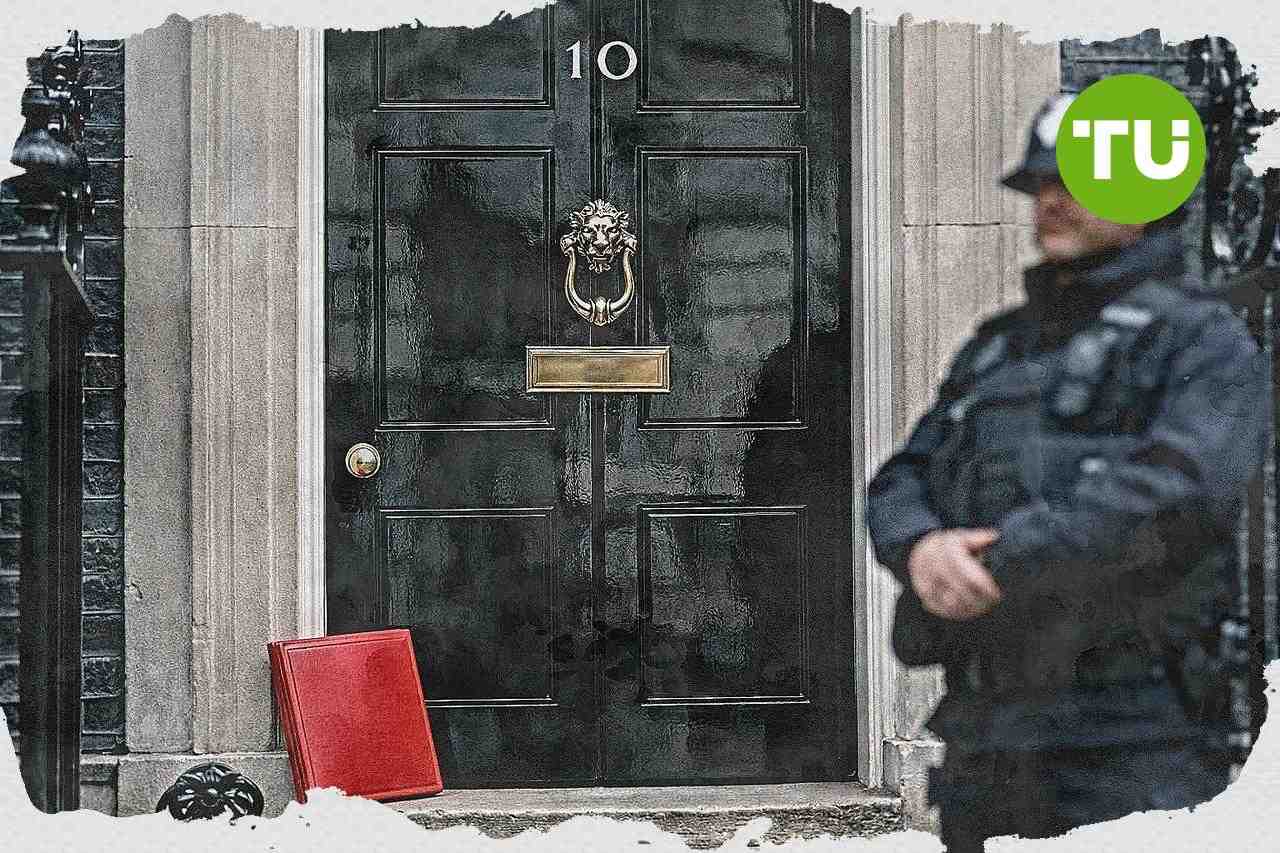
Britain is undergoing another change of leadership on Monday as Andy Burnham prepares to take office as prime minister after Sir Keir Starmer's resignation. Burnham is set to use his first Downing Street speech to promise voters "breathing space" on living costs and greater stability after years of political turnover.
Highlights
- Burnham is set to introduce an early package of measures to relieve cost of living pressures and expand social housing following the government transition.
- Significant cabinet reshuffle expected with Shabana Mahmood as likely chancellor and Ed Miliband as likely foreign secretary, reinforcing Burnham's break from Starmer's administration.
- The UK welcomes its seventh prime minister in a decade, highlighting recent political instability as Burnham emphasizes stability and a shift of power away from London.
Power transfer and first policy signals
As reported by Financial Times, Starmer is due to leave Number 10 at about 11am, deliver a short resignation speech and travel to Buckingham Palace to tender his resignation to King Charles.Burnham is then expected to go to the palace around noon to formally accept the monarch's invitation to form a government before returning to Downing Street for his first speech as prime minister. In that address, he is set to say he is "acutely conscious" of the rapid turnover in prime ministers since the Brexit vote and to present himself as a stabilising figure.
A central message of the speech is an early package of measures aimed at easing pressure on households after years of stagnant living standards. Burnham is also expected to highlight a shift of power away from London, greater public control over utilities including Thames Water, and an expansion of social housing.
Cabinet overhaul and broader political impact
Once inside Number 10, Burnham is expected to begin appointing his cabinet and removing members of Starmer's administration in what is seen as a significant reshaping of senior government roles.Shabana Mahmood, the home secretary, is expected to become chancellor, while Ed Miliband, the energy secretary, is viewed as the likely foreign secretary. Angela Rayner, the former deputy prime minister, Lucy Powell, the deputy Labour leader, and Louise Haigh, the former transport secretary, are also expected to return to cabinet positions.
Burnham, the former mayor of Greater Manchester, is expected to deliver his Downing Street speech without the usual amplified protest music after the Metropolitan Police banned amplified sound in the area. The transition marks Britain's seventh prime minister in the past decade, underscoring the political instability Burnham is seeking to address as he takes office.
Our earlier report on Andy Burnham’s move to Downing Street explained how the leadership handover after Keir Starmer’s resignation set the stage for Burnham’s first policy signals. It noted that investors were weighing the risks around taxation, public spending and greater state intervention in sectors such as energy, transport and water, with speculation also focusing on potential reforms to inheritance and council tax.


Latest UK News







-
 Afghanistan
-
 Albania
-
 Algeria
-
 Angola
-
 Argentina
-
 Armenia
-
 Australia
-
 Austria
-
 Azerbaijan
-
 Bahamas
-
 Bahrain
-
 Bangladesh
-
 Belarus
-
 Belgium
-
 Bolivia
-
 Botswana
-
 Brazil
-
 Brunei
-
 Bulgaria
-
 Cambodia
-
 Cameroon
-
 Canada
-
 Chile
Chile
-
 China
China
-
 Colombia
-
 Congo
Congo
-
 Costa Rica
-
 Cote d'Ivoire
-
 Croatia
-
 Cuba
Cuba
-
 Cyprus
-
 Czechia
-
 DR Congo
-
 Denmark
-
 Dominican Republic
-
 Ecuador
-
 Egypt
Egypt
-
 El Salvador
-
 Estonia
-
 Eswatini
-
 Ethiopia
-
 Finland
-
 France
-
 Georgia
-
 Germany
-
 Ghana
Ghana
-
 Greece
-
 Haiti
Haiti
-
 Hong Kong
-
 Hungary
-
 India
India
-
 Indonesia
-
 Iran, Islamic republic
-
 Iraq
Iraq
-
 Ireland
-
 Israel
-
 Italy
Italy
-
 Jamaica
-
 Japan
Japan
-
 Jordan
-
 Kazakhstan
-
 Kenya
Kenya
-
 Korea
Korea
-
 Kuwait
-
 Kyrgyzstan
-
 Laos
Laos
-
 Latvia
-
 Lebanon
-
 Lesotho
-
 Libya
Libya
-
 Lithuania
-
 Luxembourg
-
 Madagascar
-
 Malaysia
-
 Malta
Malta
-
 Mauritius
-
 Mexico
-
 Moldova
-
 Mongolia
-
 Montenegro
-
 Morocco
-
 Mozambique
-
 Myanmar
-
 Namibia
-
 Nepal
Nepal
-
 Netherlands
-
 New Zealand
-
 Nigeria
-
 North Macedonia
-
 Norway
-
 Oman
Oman
-
 Pakistan
-
 Palestine
-
 Panama
-
 Papua New Guinea
-
 Paraguay
-
 Peru
Peru
-
 Philippines
-
 Poland
-
 Portugal
-
 Puerto Rico
-
 Qatar
Qatar
-
 Reunion
-
 Romania
-
 Rwanda
-
 Saudi Arabia
-
 Serbia
-
 Singapore
-
 Slovakia
-
 Slovenia
-
 Somalia
-
 South Africa
-
 Spain
Spain
-
 Sri Lanka
-
 Sweden
-
 Switzerland
-
 Syria
Syria
-
 Taiwan
-
 Tajikistan
-
 Tanzania
-
 Thailand
-
 Trinidad and Tobago
-
 Tunisia
-
 Turkey
-
 UAE
UAE
-
 Uganda
-
 Ukraine
-
 United Kingdom
-
United States
-
 Uruguay
-
 Uzbekistan
-
 Venezuela
-
 Vietnam
-
 Yemen
Yemen
-
 Zambia
-
 Zimbabwe
- Forex
- Crypto











