
U.S. Treasury defends 50% Canada tariffs as trade reciprocity
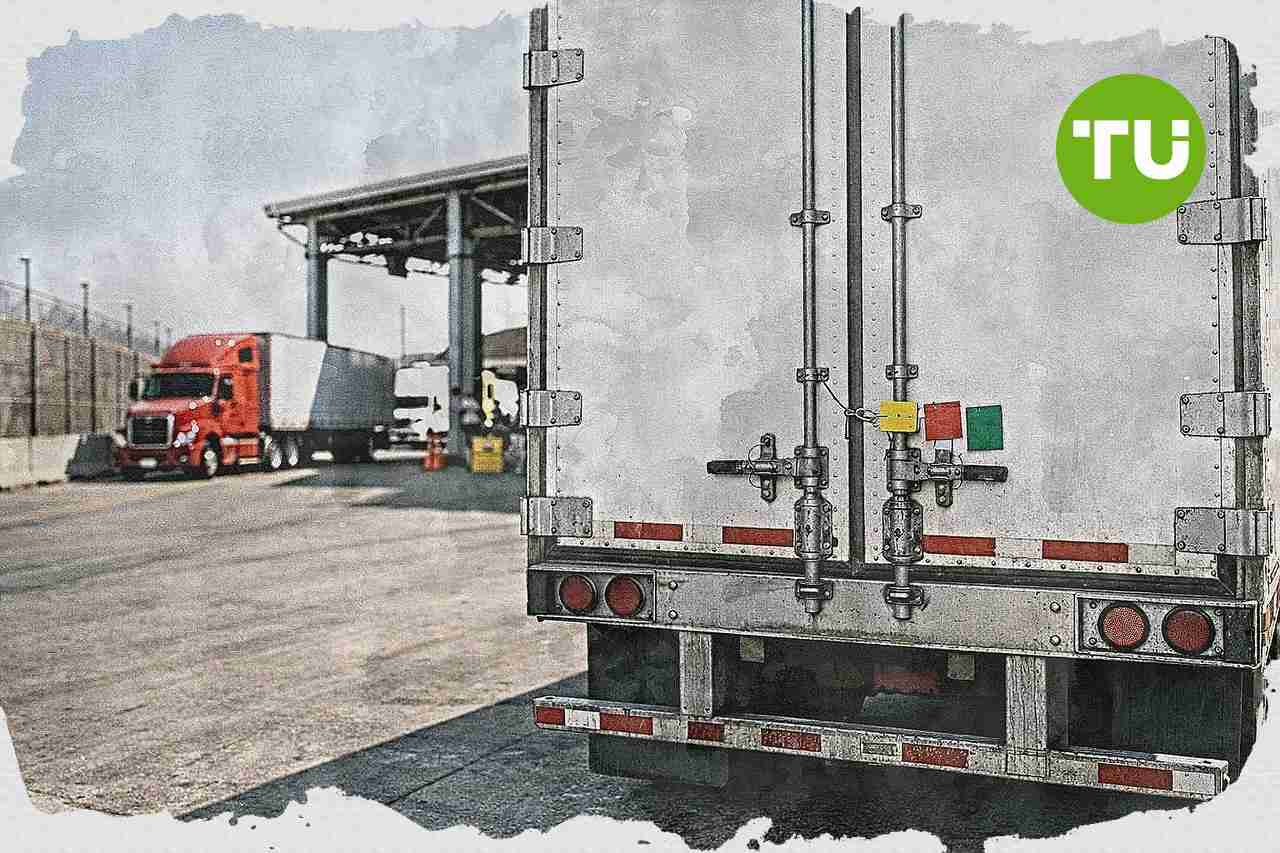
Trade tensions between the U.S. and Canada are escalating after Washington imposes new tariffs on a broad set of Canadian imports. The measures target nearly $20 billion in goods and are framed by the Trump administration as a response to Canadian duties on autos, metals, liquor and dairy-related barriers.
Highlights
- U.S. Treasury Secretary Scott Bessent defends new 50% tariffs on Canadian imports as a reciprocal response to Canadian trade barriers on U.S. dairy, alcohol, and beverages.
- President Donald Trump announced tariffs on nearly $20 billion of Canadian goods in reaction to Canada's retaliatory tariffs on U.S. autos, steel, aluminum, and liquor.
- New 50% duties on Canadian imports increase business costs and raise the risk of further retaliation, intensifying trade tensions in key North American sectors.
Administration links tariffs to Canadian trade barriers
As reported by Reuters, U.S. Treasury Secretary Scott Bessent says the 50% tariffs on a range of imports from Canada are a reciprocal response to Ottawa's trade actions against U.S. dairy, alcohol and beverages.Speaking in an interview with Fox Business Network on Tuesday, Bessent describes Canada as "highly discriminatory" on dairy products and points to U.S. alcohol and beverages being removed from Canadian shelves. He says the move is "really just reciprocity" for actions taken against U.S. companies.
President Donald Trump announced on Monday that the U.S. is imposing tariffs on nearly $20 billion worth of Canadian goods. The administration ties the step to Canada's retaliatory tariffs on U.S. autos, steel, aluminum and liquor, as well as what Washington views as high dairy tariffs.
Potential impact on North American trade flows
The latest tariff action adds pressure to cross-border trade between two closely linked economies, particularly in consumer goods, agriculture and industrial products. A 50% duty on selected imports from Canada raises the risk of higher costs for businesses and further retaliation between the two countries.The dispute also highlights longstanding friction over dairy market access and the treatment of U.S. alcohol products in Canada. For companies operating across North America, the measures signal a tougher trade environment as both sides continue to contest tariffs in key sectors.
In our earlier article on renewed tariff risks tied to U.S.-Canada trade, we outlined President Trump’s proposal to impose a 50% tariff on a broad set of Canadian goods and how the threat was already influencing market positioning. We noted that the tariff headlines coincided with elevated investor sensitivity to sector rotations and momentum pullbacks, underscoring how quickly trade-policy signals can spread into sentiment and pricing.


Latest Tariffs News







-
 Afghanistan
-
 Albania
-
 Algeria
-
 Angola
-
 Argentina
-
 Armenia
-
 Australia
-
 Austria
-
 Azerbaijan
-
 Bahamas
-
 Bahrain
-
 Bangladesh
-
 Belarus
-
 Belgium
-
 Bolivia
-
 Botswana
-
 Brazil
-
 Brunei
-
 Bulgaria
-
 Cambodia
-
 Cameroon
-
 Canada
-
 Chile
Chile
-
 China
China
-
 Colombia
-
 Congo
Congo
-
 Costa Rica
-
 Cote d'Ivoire
-
 Croatia
-
 Cuba
Cuba
-
 Cyprus
-
 Czechia
-
 DR Congo
-
 Denmark
-
 Dominican Republic
-
 Ecuador
-
 Egypt
Egypt
-
 El Salvador
-
 Estonia
-
 Eswatini
-
 Ethiopia
-
 Finland
-
 France
-
 Georgia
-
 Germany
-
 Ghana
Ghana
-
 Greece
-
 Haiti
Haiti
-
 Hong Kong
-
 Hungary
-
 India
India
-
 Indonesia
-
 Iran, Islamic republic
-
 Iraq
Iraq
-
 Ireland
-
 Israel
-
 Italy
Italy
-
 Jamaica
-
 Japan
Japan
-
 Jordan
-
 Kazakhstan
-
 Kenya
Kenya
-
 Korea
Korea
-
 Kuwait
-
 Kyrgyzstan
-
 Laos
Laos
-
 Latvia
-
 Lebanon
-
 Lesotho
-
 Libya
Libya
-
 Lithuania
-
 Luxembourg
-
 Madagascar
-
 Malaysia
-
 Malta
Malta
-
 Mauritius
-
 Mexico
-
 Moldova
-
 Mongolia
-
 Montenegro
-
 Morocco
-
 Mozambique
-
 Myanmar
-
 Namibia
-
 Nepal
Nepal
-
 Netherlands
-
 New Zealand
-
 Nigeria
-
 North Macedonia
-
 Norway
-
 Oman
Oman
-
 Pakistan
-
 Palestine
-
 Panama
-
 Papua New Guinea
-
 Paraguay
-
 Peru
Peru
-
 Philippines
-
 Poland
-
 Portugal
-
 Puerto Rico
-
 Qatar
Qatar
-
 Reunion
-
 Romania
-
 Rwanda
-
 Saudi Arabia
-
 Serbia
-
 Singapore
-
 Slovakia
-
 Slovenia
-
 Somalia
-
 South Africa
-
 Spain
Spain
-
 Sri Lanka
-
 Sweden
-
 Switzerland
-
 Syria
Syria
-
 Taiwan
-
 Tajikistan
-
 Tanzania
-
 Thailand
-
 Trinidad and Tobago
-
 Tunisia
-
 Turkey
-
 UAE
UAE
-
 Uganda
-
 Ukraine
-
 United Kingdom
-
United States
-
 Uruguay
-
 Uzbekistan
-
 Venezuela
-
 Vietnam
-
 Yemen
Yemen
-
 Zambia
-
 Zimbabwe
- Forex
- Crypto












