
U.S. weighs sanctions over alleged Chinese AI model distillation
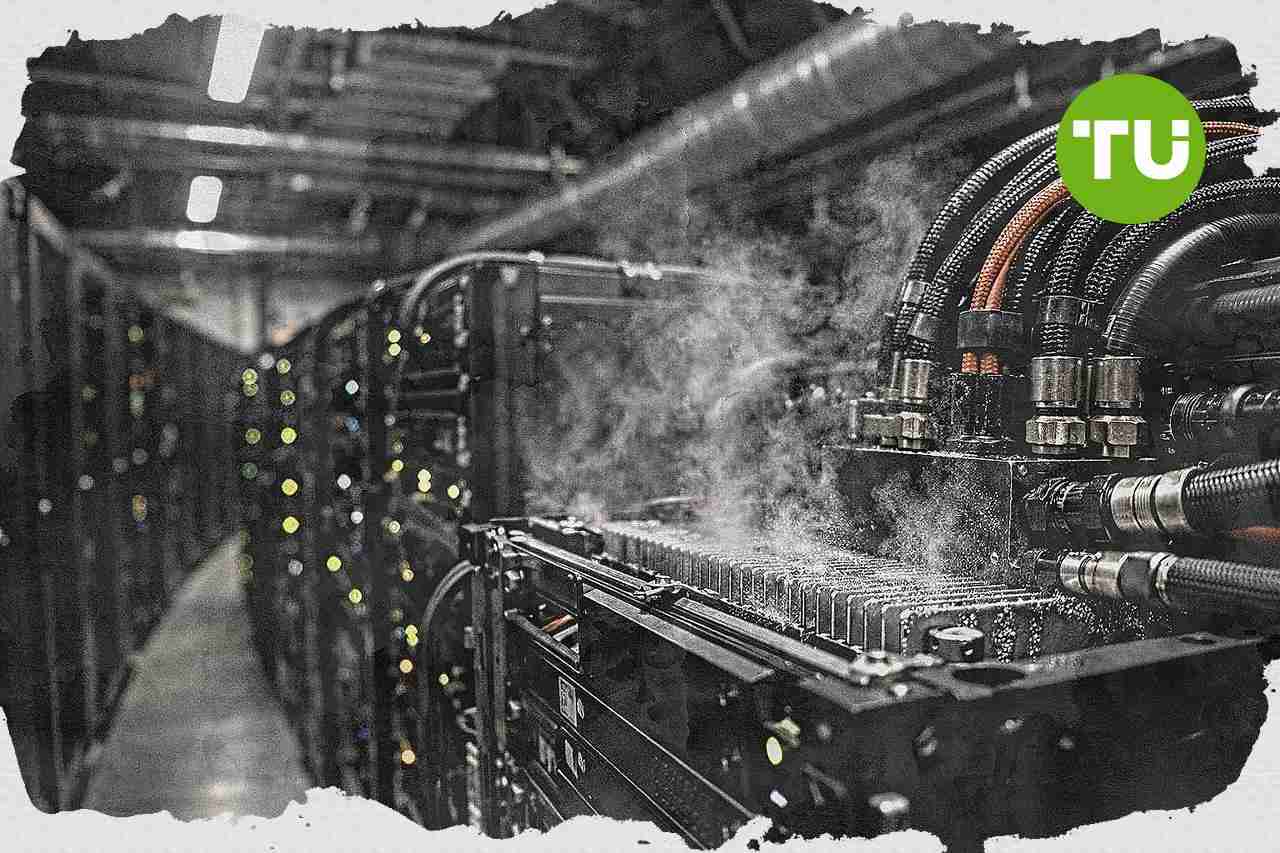
Rising competition from Chinese open-weight artificial intelligence models is intensifying pressure on U.S. officials and technology companies as concerns grow over the country’s lead in the sector. Treasury Secretary Scott Bessent says the Trump administration is examining whether Chinese models are built using outputs from leading American systems, a practice he describes as intellectual property theft.
Highlights
- The U.S. administration is considering sanctions against Chinese artificial intelligence models found to be distilled from American models, citing evidence of LLM watermarks.
- Chinese open-weight AI models, such as Moonshot AI's Kimi K3, are outperforming U.S. offerings and intensifying concerns about U.S. competitiveness in AI.
- The debate over AI model distillation and intellectual property theft will be central to U.S.-China talks on artificial intelligence scheduled for September, with Bessent representing the U.S.
Government scrutiny of alleged model theft
As reported by CNBC, Bessent says the administration will look into whether Chinese artificial intelligence models have been distilled from U.S. models and could use sanctions if it concludes theft has occurred.Speaking to Fox Business on Tuesday, Bessent says the government does not support intellectual property theft and argues that overseas models that are stealing from American companies could face penalties. He describes distillation as a training method in which a smaller, less capable model is built using outputs from a stronger existing model.
Bessent also says officials are finding watermarks from U.S. large language models on many Chinese models, calling that unacceptable. He adds that the administration is set to review the issue in the coming days or weeks.
Competitive pressure and upcoming U.S.-China talks
Chinese open-weight models are gaining traction against offerings from U.S. companies including OpenAI and Anthropic, raising concerns among technology executives and government officials about the durability of the U.S. lead in artificial intelligence.Earlier this month, Chinese startup Moonshot AI releases a model called Kimi K3 that outperforms OpenAI and Anthropic across some industry benchmarks. Last month, Anthropic sent a letter to the U.S. Senate Committee on Banking, Housing, and Urban Affairs alleging that Alibaba carried out what it called the largest known distillation attack against it to date.
The dispute is unfolding as the U.S. and China are planning talks on artificial intelligence in September, according to a Reuters report published Tuesday. Bessent is set to represent the U.S. in those discussions.
In our earlier article, we examined Donald Trump’s plan to reinstate 10% tariffs on a broad range of Chinese imports as temporary levies near expiration. We noted that the move was framed as protecting U.S. manufacturing jobs but could raise costs for businesses, add inflation pressure, and further strain supply chains.


Latest Sanctions News






-
 Afghanistan
-
 Albania
-
 Algeria
-
 Angola
-
 Argentina
-
 Armenia
-
 Australia
-
 Austria
-
 Azerbaijan
-
 Bahamas
-
 Bahrain
-
 Bangladesh
-
 Belarus
-
 Belgium
-
 Bolivia
-
 Botswana
-
 Brazil
-
 Brunei
-
 Bulgaria
-
 Cambodia
-
 Cameroon
-
 Canada
-
 Chile
Chile
-
 China
China
-
 Colombia
-
 Congo
Congo
-
 Costa Rica
-
 Cote d'Ivoire
-
 Croatia
-
 Cuba
Cuba
-
 Cyprus
-
 Czechia
-
 DR Congo
-
 Denmark
-
 Dominican Republic
-
 Ecuador
-
 Egypt
Egypt
-
 El Salvador
-
 Estonia
-
 Eswatini
-
 Ethiopia
-
 Finland
-
 France
-
 Georgia
-
 Germany
-
 Ghana
Ghana
-
 Greece
-
 Haiti
Haiti
-
 Hong Kong
-
 Hungary
-
 India
India
-
 Indonesia
-
 Iran, Islamic republic
-
 Iraq
Iraq
-
 Ireland
-
 Israel
-
 Italy
Italy
-
 Jamaica
-
 Japan
Japan
-
 Jordan
-
 Kazakhstan
-
 Kenya
Kenya
-
 Korea
Korea
-
 Kuwait
-
 Kyrgyzstan
-
 Laos
Laos
-
 Latvia
-
 Lebanon
-
 Lesotho
-
 Libya
Libya
-
 Lithuania
-
 Luxembourg
-
 Madagascar
-
 Malaysia
-
 Malta
Malta
-
 Mauritius
-
 Mexico
-
 Moldova
-
 Mongolia
-
 Montenegro
-
 Morocco
-
 Mozambique
-
 Myanmar
-
 Namibia
-
 Nepal
Nepal
-
 Netherlands
-
 New Zealand
-
 Nigeria
-
 North Macedonia
-
 Norway
-
 Oman
Oman
-
 Pakistan
-
 Palestine
-
 Panama
-
 Papua New Guinea
-
 Paraguay
-
 Peru
Peru
-
 Philippines
-
 Poland
-
 Portugal
-
 Puerto Rico
-
 Qatar
Qatar
-
 Reunion
-
 Romania
-
 Rwanda
-
 Saudi Arabia
-
 Serbia
-
 Singapore
-
 Slovakia
-
 Slovenia
-
 Somalia
-
 South Africa
-
 Spain
Spain
-
 Sri Lanka
-
 Sweden
-
 Switzerland
-
 Syria
Syria
-
 Taiwan
-
 Tajikistan
-
 Tanzania
-
 Thailand
-
 Trinidad and Tobago
-
 Tunisia
-
 Turkey
-
 UAE
UAE
-
 Uganda
-
 Ukraine
-
 United Kingdom
-
United States
-
 Uruguay
-
 Uzbekistan
-
 Venezuela
-
 Vietnam
-
 Yemen
Yemen
-
 Zambia
-
 Zimbabwe
- Forex
- Crypto












