
Trump administration to unveil forced labor trade action as tariff pressure expands
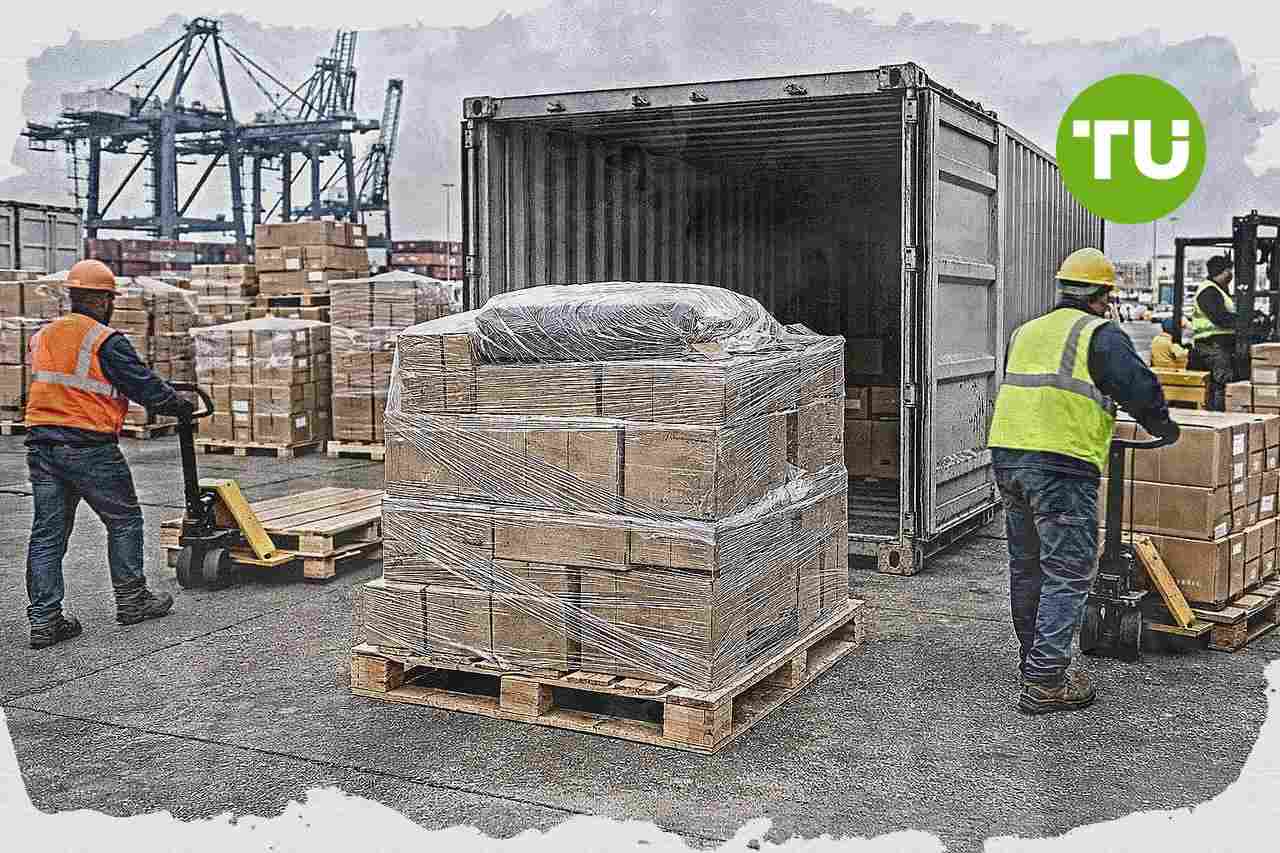
With a temporary 10% global tariff due to expire on Friday, the Trump administration is preparing new trade measures tied to forced labor under Section 301 of the Trade Act. The move forms part of a broader effort to restore tariff leverage after the U.S. Supreme Court struck down President Donald Trump's global tariff policy in February.
Highlights
- U.S. Trade Representative Jamieson Greer says the Trump administration will soon announce Section 301 trade actions targeting forced labor, without specifying a timeline.
- The new trade action could expand tariffs to dozens of countries and heighten importers' compliance risk linked to forced labor exposure.
- Last week, Brazil was targeted with 25% duties on products like furniture, ethanol and sugar, signaling policy execution may impact manufacturing, agriculture and supply chains.
Section 301 plan takes shape
As reported by Reuters, U.S. Trade Representative Jamieson Greer says the administration will soon announce trade actions linked to forced labor under Section 301, although he does not provide a specific timeline. Greer tells CNBC the action is expected shortly when asked about a Financial Times report that tariffs on dozens of countries could be announced soon.Section 301 of U.S. trade law authorizes investigations into alleged unfair trade practices. The administration has been developing the tariff approach for months as it seeks a new legal and policy route to maintain trade pressure.
Regional and sector implications widen
Any new action could broaden the administration's use of targeted tariffs beyond existing country measures and add compliance pressure for importers with exposure to forced labor risks. The timing also matters because the temporary 10% global tariff is scheduled to expire on Friday, raising the stakes for companies tracking U.S. trade policy shifts.Brazil becomes the first country targeted under the strategy last week, when 25% duties hit products including furniture, ethanol, machinery, footwear and sugar. That suggests the policy is moving from design to execution, with potential effects across manufacturing, agriculture and cross-border supply chains.
In our earlier article, we examined the White House’s plan to impose a new 50% tariff regime on a broad range of Canadian goods, with exemptions for energy, potash, critical minerals, fish and items already covered by national security tariffs. We noted that, with the expiry of temporary U.S. global duties approaching, the move could disrupt North American supply chains and add to policy uncertainty for importers and manufacturers.


Latest Supply Chain News






-
 Afghanistan
-
 Albania
-
 Algeria
-
 Angola
-
 Argentina
-
 Armenia
-
 Australia
-
 Austria
-
 Azerbaijan
-
 Bahamas
-
 Bahrain
-
 Bangladesh
-
 Belarus
-
 Belgium
-
 Bolivia
-
 Botswana
-
 Brazil
-
 Brunei
-
 Bulgaria
-
 Cambodia
-
 Cameroon
-
 Canada
-
 Chile
Chile
-
 China
China
-
 Colombia
-
 Congo
Congo
-
 Costa Rica
-
 Cote d'Ivoire
-
 Croatia
-
 Cuba
Cuba
-
 Cyprus
-
 Czechia
-
 DR Congo
-
 Denmark
-
 Dominican Republic
-
 Ecuador
-
 Egypt
Egypt
-
 El Salvador
-
 Estonia
-
 Eswatini
-
 Ethiopia
-
 Finland
-
 France
-
 Georgia
-
 Germany
-
 Ghana
Ghana
-
 Greece
-
 Haiti
Haiti
-
 Hong Kong
-
 Hungary
-
 India
India
-
 Indonesia
-
 Iran, Islamic republic
-
 Iraq
Iraq
-
 Ireland
-
 Israel
-
 Italy
Italy
-
 Jamaica
-
 Japan
Japan
-
 Jordan
-
 Kazakhstan
-
 Kenya
Kenya
-
 Korea
Korea
-
 Kuwait
-
 Kyrgyzstan
-
 Laos
Laos
-
 Latvia
-
 Lebanon
-
 Lesotho
-
 Libya
Libya
-
 Lithuania
-
 Luxembourg
-
 Madagascar
-
 Malaysia
-
 Malta
Malta
-
 Mauritius
-
 Mexico
-
 Moldova
-
 Mongolia
-
 Montenegro
-
 Morocco
-
 Mozambique
-
 Myanmar
-
 Namibia
-
 Nepal
Nepal
-
 Netherlands
-
 New Zealand
-
 Nigeria
-
 North Macedonia
-
 Norway
-
 Oman
Oman
-
 Pakistan
-
 Palestine
-
 Panama
-
 Papua New Guinea
-
 Paraguay
-
 Peru
Peru
-
 Philippines
-
 Poland
-
 Portugal
-
 Puerto Rico
-
 Qatar
Qatar
-
 Reunion
-
 Romania
-
 Rwanda
-
 Saudi Arabia
-
 Serbia
-
 Singapore
-
 Slovakia
-
 Slovenia
-
 Somalia
-
 South Africa
-
 Spain
Spain
-
 Sri Lanka
-
 Sweden
-
 Switzerland
-
 Syria
Syria
-
 Taiwan
-
 Tajikistan
-
 Tanzania
-
 Thailand
-
 Trinidad and Tobago
-
 Tunisia
-
 Turkey
-
 UAE
UAE
-
 Uganda
-
 Ukraine
-
 United Kingdom
-
United States
-
 Uruguay
-
 Uzbekistan
-
 Venezuela
-
 Vietnam
-
 Yemen
Yemen
-
 Zambia
-
 Zimbabwe
- Forex
- Crypto












