
UK government launches Manchester Number 10 operation to shift devolution powers
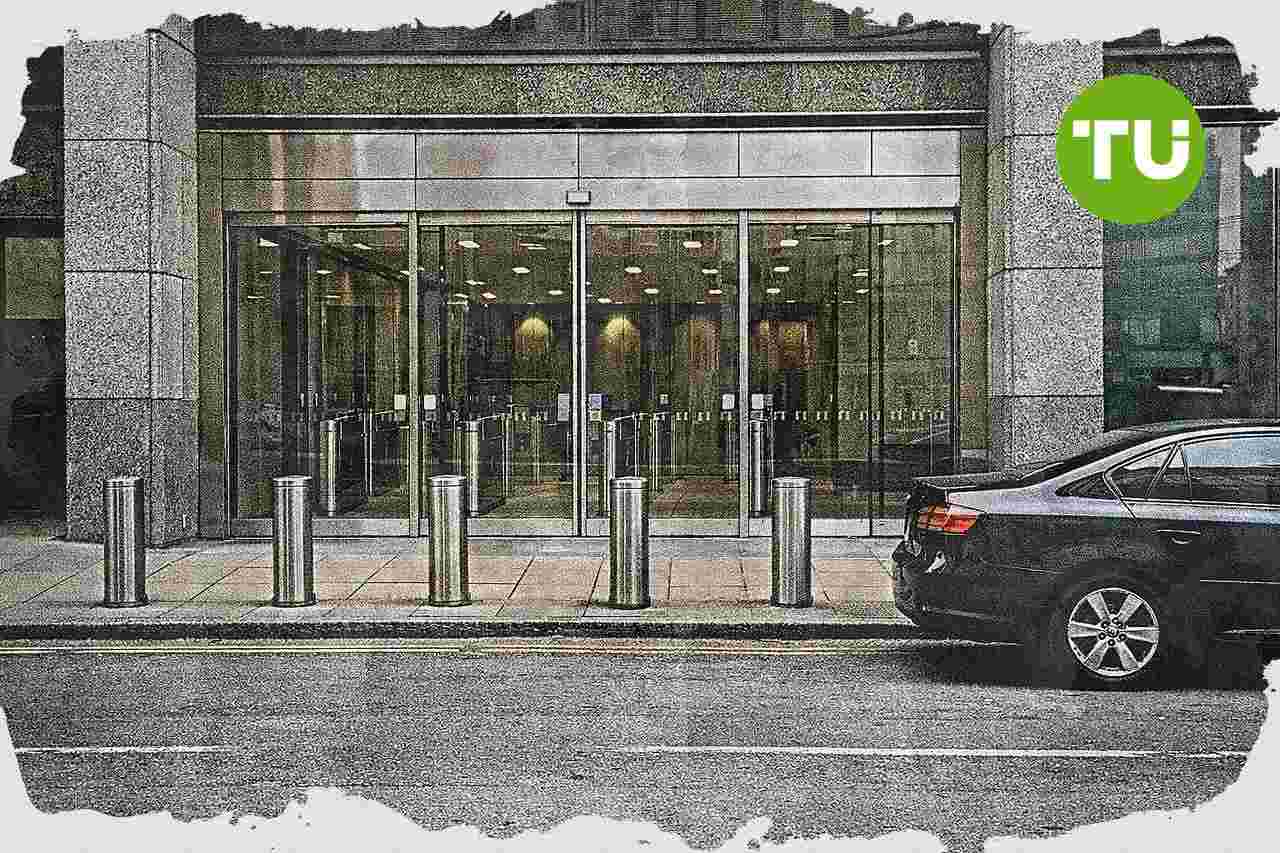
A new Manchester-based arm of Number 10 begins operating within hours of Andy Burnham entering Downing Street as prime minister. The office is designed to centralise devolution and local growth functions in northern England, with Burnham expected to work there at least one day a week.
Highlights
- The UK government has launched a Manchester-based Number 10 operation at Heron House, transferring devolution and local economic growth responsibilities from the Treasury and housing ministry.
- Senior appointments for the Manchester office include Caroline Simpson as deputy chief of staff and Sam Lister as director-general, with John Wrathmell and Tom Whitney joining the team.
- The new structure grants Andy Burnham and Louise Haigh greater oversight of London and Manchester Number 10 sites, but operational scope and long-term authority remain unclear to some Whitehall officials.
Manchester office structure and early staffing
As reported by Financial Times, a small group of officials is already working from Heron House in central Manchester before Burnham arrives there later this week. The building, opposite Manchester Town Hall and partly occupied by GCHQ, has been selected as the initial base for the new northern Number 10 operation because of its high-security capacity.The government says the office is intended to serve as "the engine room of devolution and good growth in every postcode, across government and the wider economy". Downing Street also confirms machinery-of-government changes intended to give Burnham and Louise Haigh, the chancellor of the Duchy of Lancaster, greater oversight of the London and Manchester operations.
A new Office of the Prime Minister and the Cabinet is taking responsibility for both Number 10 sites, alongside relevant Cabinet Office functions linked to Burnham's programme. Responsibility for local economic growth and devolution strategy is also being transferred to the Manchester operation from the housing and local government ministry and the Treasury.
Several senior officials are being assigned to the project. Caroline Simpson, Burnham's deputy chief of staff and former Greater Manchester mayoral chief executive, is among those appointed, while senior civil servant Sam Lister is confirmed as director-general; John Wrathmell is expected to join on secondment, and Tom Whitney is set to become a special adviser moving between Manchester and London.
Whitehall response and regional policy implications
The move is drawing a positive response from the Institute for Government, which has long argued for a stronger Number 10 and a slimmer Cabinet Office. Hannah Keenan, an associate director at the think tank, says the arrangement appears carefully designed, particularly because powers are being moved into a structure with broader authority rather than a weaker central office.The change also begins to influence Whitehall culture. In an internal note sent before Burnham's arrival, Number 10 tells officials to avoid staged handshake photographs for incoming ministers and instead adopt a style described as "less trad and more rad".
Operational questions remain unresolved. Officials considering a transfer to Manchester say the available roles and long-term authority of the office remain unclear, and some are concerned decisions could still be overridden by London.
Burnham wants the unit to move eventually into a new digital campus planned near Manchester Piccadilly station, but that site is still five years away. For now, Heron House is being used because it is regarded by one official as the only city-centre facility able to handle highly classified briefings, and armed Greater Manchester Police officers are already guarding the building.
In our earlier article on Burnham’s early cost-of-living package, we explained why the government stepped back from plans to raise the personal income tax allowance and instead prioritised targeted relief such as a temporary VAT cut on household electricity bills. We also noted how the proposed funding approach and the wider debate over fiscal credibility set the tone for policy decisions that would ultimately be pushed to the Budget.


Latest Transportation News







-
 Afghanistan
-
 Albania
-
 Algeria
-
 Angola
-
 Argentina
-
 Armenia
-
 Australia
-
 Austria
-
 Azerbaijan
-
 Bahamas
-
 Bahrain
-
 Bangladesh
-
 Belarus
-
 Belgium
-
 Bolivia
-
 Botswana
-
 Brazil
-
 Brunei
-
 Bulgaria
-
 Cambodia
-
 Cameroon
-
 Canada
-
 Chile
Chile
-
 China
China
-
 Colombia
-
 Congo
Congo
-
 Costa Rica
-
 Cote d'Ivoire
-
 Croatia
-
 Cuba
Cuba
-
 Cyprus
-
 Czechia
-
 DR Congo
-
 Denmark
-
 Dominican Republic
-
 Ecuador
-
 Egypt
Egypt
-
 El Salvador
-
 Estonia
-
 Eswatini
-
 Ethiopia
-
 Finland
-
 France
-
 Georgia
-
 Germany
-
 Ghana
Ghana
-
 Greece
-
 Haiti
Haiti
-
 Hong Kong
-
 Hungary
-
 India
India
-
 Indonesia
-
 Iran, Islamic republic
-
 Iraq
Iraq
-
 Ireland
-
 Israel
-
 Italy
Italy
-
 Jamaica
-
 Japan
Japan
-
 Jordan
-
 Kazakhstan
-
 Kenya
Kenya
-
 Korea
Korea
-
 Kuwait
-
 Kyrgyzstan
-
 Laos
Laos
-
 Latvia
-
 Lebanon
-
 Lesotho
-
 Libya
Libya
-
 Lithuania
-
 Luxembourg
-
 Madagascar
-
 Malaysia
-
 Malta
Malta
-
 Mauritius
-
 Mexico
-
 Moldova
-
 Mongolia
-
 Montenegro
-
 Morocco
-
 Mozambique
-
 Myanmar
-
 Namibia
-
 Nepal
Nepal
-
 Netherlands
-
 New Zealand
-
 Nigeria
-
 North Macedonia
-
 Norway
-
 Oman
Oman
-
 Pakistan
-
 Palestine
-
 Panama
-
 Papua New Guinea
-
 Paraguay
-
 Peru
Peru
-
 Philippines
-
 Poland
-
 Portugal
-
 Puerto Rico
-
 Qatar
Qatar
-
 Reunion
-
 Romania
-
 Rwanda
-
 Saudi Arabia
-
 Serbia
-
 Singapore
-
 Slovakia
-
 Slovenia
-
 Somalia
-
 South Africa
-
 Spain
Spain
-
 Sri Lanka
-
 Sweden
-
 Switzerland
-
 Syria
Syria
-
 Taiwan
-
 Tajikistan
-
 Tanzania
-
 Thailand
-
 Trinidad and Tobago
-
 Tunisia
-
 Turkey
-
 UAE
UAE
-
 Uganda
-
 Ukraine
-
 United Kingdom
-
United States
-
 Uruguay
-
 Uzbekistan
-
 Venezuela
-
 Vietnam
-
 Yemen
Yemen
-
 Zambia
-
 Zimbabwe
- Forex
- Crypto












