
EU sanctions deal keeps Russian LNG shipping carve-out for Dynagas
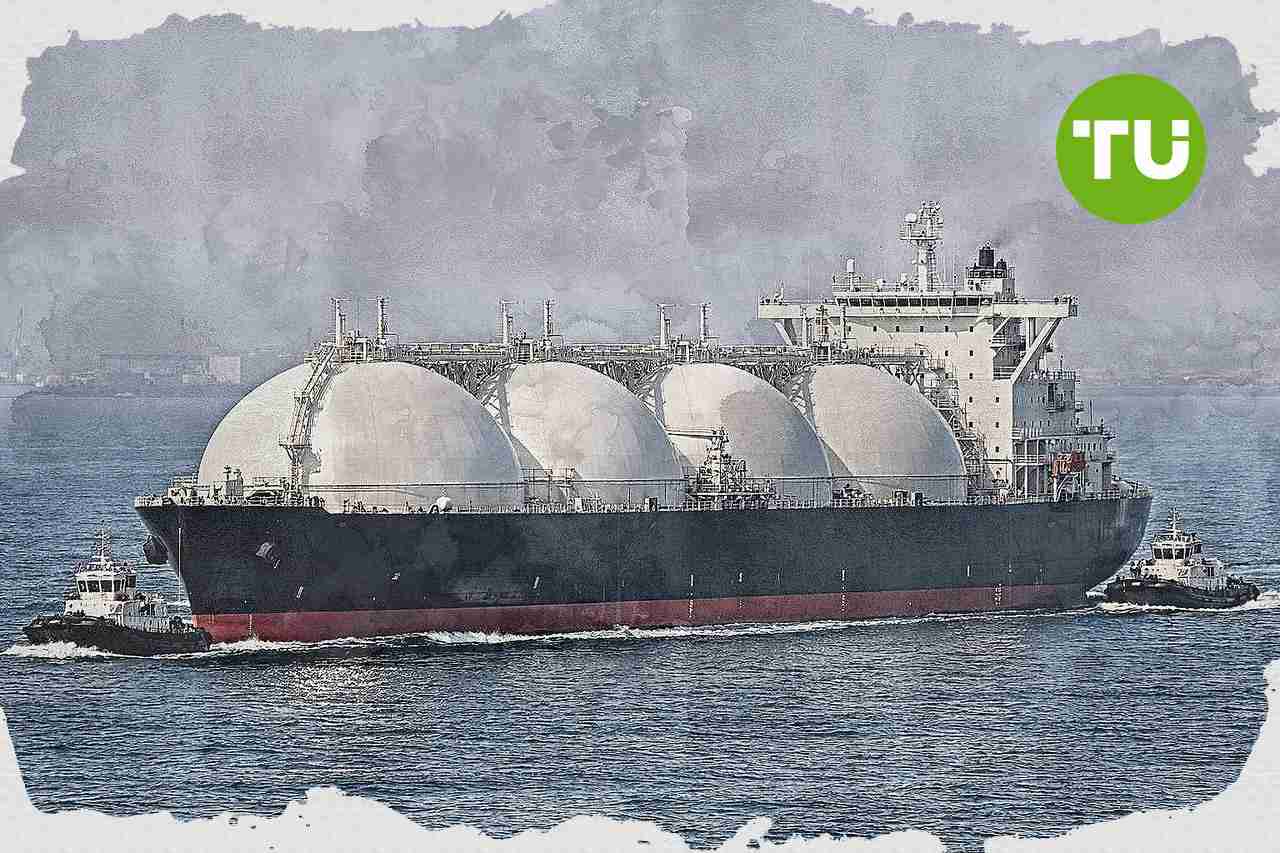
EU countries are nearing agreement on a new sanctions package against Moscow while preserving an exemption for the transport of Russian liquefied natural gas to third countries. The draft compromise would let bloc companies continue those cargoes for 12 months, with volumes capped at 2025 levels and the arrangement open to renewal.
Highlights
- EU draft sanctions package allows Dynagas and other EU-based firms to keep shipping Russian LNG to non-EU destinations, pending approval from EU27 envoys.
- EU set to extend the Russian oil price cap at $44.10 per barrel for one year, averting an automatic increase tied to global crude prices.
- Greek opposition to tougher Russian LNG restrictions, aimed at protecting Dynagas' fleet of 27 gas tankers, delayed the 21st sanctions package and exposed deeper divisions within the EU.
Compromise on LNG transport and oil cap
As first reported by the Financial Times, the draft agreement allows Greek shipping company Dynagas and other EU-based operators to keep carrying Russian LNG to non-EU destinations under the bloc's latest sanctions package.The measure still requires approval from the EU27 envoys on Thursday, but diplomats briefed on the negotiations say the exemption is part of a broader compromise after resistance from member states concerned about the effect on domestic business interests.
Countries are also due to approve a one-year extension of the price cap on Russian oil at $44.10 a barrel. The cap would otherwise automatically rise on Thursday under a mechanism linked to global crude prices.
Oil markets remain volatile, with crude earlier on Wednesday climbing above $95 a barrel, a six-week high, after more than a week of strikes by the U.S. and Iran and severe disruption to shipping through the Strait of Hormuz.
Greek opposition slows broader sanctions push
Brussels has introduced 20 sanctions packages against Moscow since Russia's full-scale invasion of Ukraine in February 2022, but the latest round highlights growing difficulty in securing consensus across the bloc.Some member states and the European Commission have pushed to ban the transport of Russian LNG to third countries, yet Athens and other capitals oppose that move, arguing it would damage specific industries and companies. Greece in particular resists the package in support of Dynagas, owned by billionaire George Prokopiou, which operates 27 gas tankers, according to Equasis maritime data.
That fleet includes about a third of the Arc7 tankers designed for Arctic conditions around Russia's Yamal LNG plant. Greece's objections have delayed approval of the EU's 21st sanctions package for more than a week, leaving other measures targeting banks, cryptocurrency networks and military-industrial companies pending.
One senior EU official late on Wednesday describes the proposed agreement as "outrageous", underscoring the sharper divisions inside the bloc over further restrictions on Russia's fossil-fuel revenues.
In our earlier report on surging European gas prices amid heatwave-driven demand and tighter global LNG supply, we explained how cargo diversions to higher-paying Asian buyers and disruption risks in the Strait of Hormuz were pushing benchmarks higher. We also highlighted mounting worries that Europe could struggle to refill gas storage ahead of winter, leaving the region vulnerable to sharp price swings if Gulf export delays persist.


Latest Brent News






-
 Afghanistan
-
 Albania
-
 Algeria
-
 Angola
-
 Argentina
-
 Armenia
-
 Australia
-
 Austria
-
 Azerbaijan
-
 Bahamas
-
 Bahrain
-
 Bangladesh
-
 Belarus
-
 Belgium
-
 Bolivia
-
 Botswana
-
 Brazil
-
 Brunei
-
 Bulgaria
-
 Cambodia
-
 Cameroon
-
 Canada
-
 Chile
Chile
-
 China
China
-
 Colombia
-
 Congo
Congo
-
 Costa Rica
-
 Cote d'Ivoire
-
 Croatia
-
 Cuba
Cuba
-
 Cyprus
-
 Czechia
-
 DR Congo
-
 Denmark
-
 Dominican Republic
-
 Ecuador
-
 Egypt
Egypt
-
 El Salvador
-
 Estonia
-
 Eswatini
-
 Ethiopia
-
 Finland
-
 France
-
 Georgia
-
 Germany
-
 Ghana
Ghana
-
 Greece
-
 Haiti
Haiti
-
 Hong Kong
-
 Hungary
-
 India
India
-
 Indonesia
-
 Iran, Islamic republic
-
 Iraq
Iraq
-
 Ireland
-
 Israel
-
 Italy
Italy
-
 Jamaica
-
 Japan
Japan
-
 Jordan
-
 Kazakhstan
-
 Kenya
Kenya
-
 Korea
Korea
-
 Kuwait
-
 Kyrgyzstan
-
 Laos
Laos
-
 Latvia
-
 Lebanon
-
 Lesotho
-
 Libya
Libya
-
 Lithuania
-
 Luxembourg
-
 Madagascar
-
 Malaysia
-
 Malta
Malta
-
 Mauritius
-
 Mexico
-
 Moldova
-
 Mongolia
-
 Montenegro
-
 Morocco
-
 Mozambique
-
 Myanmar
-
 Namibia
-
 Nepal
Nepal
-
 Netherlands
-
 New Zealand
-
 Nigeria
-
 North Macedonia
-
 Norway
-
 Oman
Oman
-
 Pakistan
-
 Palestine
-
 Panama
-
 Papua New Guinea
-
 Paraguay
-
 Peru
Peru
-
 Philippines
-
 Poland
-
 Portugal
-
 Puerto Rico
-
 Qatar
Qatar
-
 Reunion
-
 Romania
-
 Rwanda
-
 Saudi Arabia
-
 Serbia
-
 Singapore
-
 Slovakia
-
 Slovenia
-
 Somalia
-
 South Africa
-
 Spain
Spain
-
 Sri Lanka
-
 Sweden
-
 Switzerland
-
 Syria
Syria
-
 Taiwan
-
 Tajikistan
-
 Tanzania
-
 Thailand
-
 Trinidad and Tobago
-
 Tunisia
-
 Turkey
-
 UAE
UAE
-
 Uganda
-
 Ukraine
-
 United Kingdom
-
United States
-
 Uruguay
-
 Uzbekistan
-
 Venezuela
-
 Vietnam
-
 Yemen
Yemen
-
 Zambia
-
 Zimbabwe
- Forex
- Crypto












