
India student protests escalate as Cockroach Janta Party tests government response
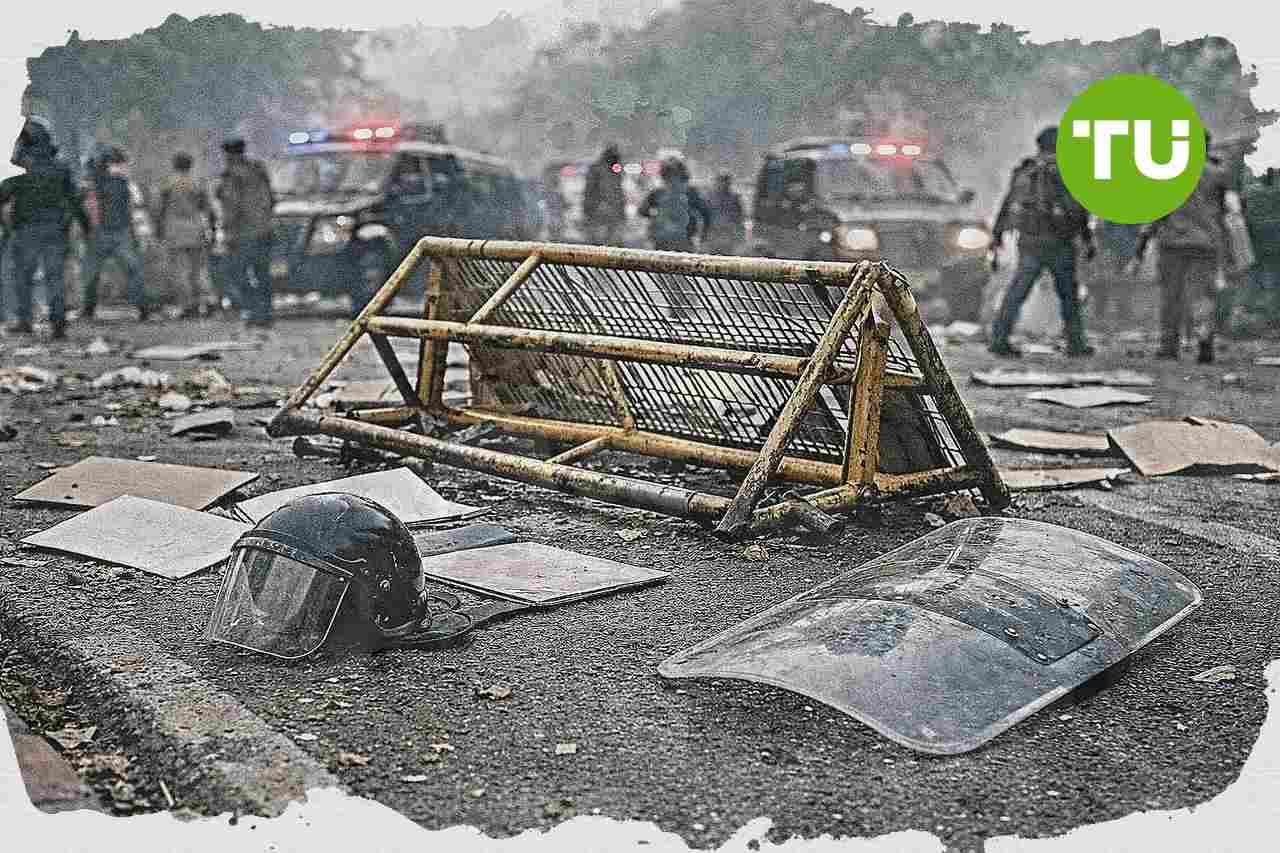
Mounting student anger over exam paper leaks and weak economic prospects is drawing thousands of Gen Z protesters into the streets of New Delhi. The demonstrations, which began on June 6, are broadening into a wider political test for Prime Minister Narendra Modi as opposition parties and regional groups add pressure on the government.
Highlights
- Student-led Cockroach Janta Party protests intensify in New Delhi after May exam paper leaks, with police using tear gas and over 100 officers injured.
- Support for protests grows nationwide as CJP's social media following surpasses 22 million before takedown and opposition figures like Rahul Gandhi join demonstrations.
- Analysts warn unrest now channels widespread anti-government frustration, with protest participation more than doubling year-on-year and mobilizations spreading to cities like Bengaluru.
Protests widen after exam leak backlash
As reported by CNBC, the Cockroach Janta Party, or CJP, continues to lead student protests in New Delhi despite a police crackdown, with demonstrators demanding the resignation of Education Minister Dharmendra Pradhan over exam paper leaks in May.The movement starts as online political satire but develops into what analysts describe as a serious real-world protest campaign. Atman Trivedi, a partner at DGA Albright Stonebridge Group, says the ongoing demonstrations could represent the biggest public challenge to the government since the farmers' mobilization in 2020-2021.
Protests intensify this week after students breach barricades on Monday while marching toward parliament, and Delhi Police respond with tear gas and force. Police say more than 100 personnel are injured in what they call violent protests, while participants accuse authorities of using excessive force.
The unrest is also fueled by a broader sense of betrayal among young people facing unemployment and limited economic mobility. Support for the protest campaign grows after activist and educator Sonam Wangchuk backs the students while on a hunger strike and receiving medical care.
Political pressure builds ahead of wider unrest risks
The CJP is launched on May 16 by political communications strategist and Boston University student Abhijeet Dipke after remarks by Chief Justice of India Surya Kant trigger backlash. The group quickly goes viral on social media, amassing more than 22 million followers before its account is taken down on Wednesday, with Dipke blaming Modi in a post on X.Opposition leader Rahul Gandhi, briefly detained on Tuesday during a solidarity protest, says around 152 exam paper leaks occur over the last 10 years and affect more than 75 million students. The ruling Bharatiya Janata Party says the government will investigate those claims, while Pradhan says on Wednesday that the government remains fully committed to discussing the exam leak issue and addressing genuine concerns of young people.
The protests are also spreading beyond Delhi, with students rallying in cities including Bengaluru. Verisk Maplecroft ranks India as the highest-risk country in its Civil Unrest Index, and Reema Bhattacharya, head of Asia research, says protest participation has more than doubled over the past year as unrest becomes more geographically dispersed.
Analysts say the movement is turning into a broader outlet for anti-government grievances as it attracts support from regional parties and farmers' groups, including leader Rakesh Tikait. Pramit Pal Chaudhuri of Eurasia Group says the CJP is becoming a lightning rod for a wide range of public complaints, though that also makes the movement increasingly chaotic.
Our earlier coverage of the exam paper leak scandal in India explained how Gen Z-led protests in New Delhi, sparked by allegations of leaked questions in a major medical entrance test, quickly evolved into a wider challenge for Prime Minister Narendra Modi’s government. We noted that demonstrators demanded education reforms and the education minister’s resignation, while the unrest also reflected deeper worries about limited access to elite colleges and weak job prospects for graduates.


Latest Law Enforcement News






-
 Afghanistan
-
 Albania
-
 Algeria
-
 Angola
-
 Argentina
-
 Armenia
-
 Australia
-
 Austria
-
 Azerbaijan
-
 Bahamas
-
 Bahrain
-
 Bangladesh
-
 Belarus
-
 Belgium
-
 Bolivia
-
 Botswana
-
 Brazil
-
 Brunei
-
 Bulgaria
-
 Cambodia
-
 Cameroon
-
 Canada
-
 Chile
Chile
-
 China
China
-
 Colombia
-
 Congo
Congo
-
 Costa Rica
-
 Cote d'Ivoire
-
 Croatia
-
 Cuba
Cuba
-
 Cyprus
-
 Czechia
-
 DR Congo
-
 Denmark
-
 Dominican Republic
-
 Ecuador
-
 Egypt
Egypt
-
 El Salvador
-
 Estonia
-
 Eswatini
-
 Ethiopia
-
 Finland
-
 France
-
 Georgia
-
 Germany
-
 Ghana
Ghana
-
 Greece
-
 Haiti
Haiti
-
 Hong Kong
-
 Hungary
-
 India
India
-
 Indonesia
-
 Iran, Islamic republic
-
 Iraq
Iraq
-
 Ireland
-
 Israel
-
 Italy
Italy
-
 Jamaica
-
 Japan
Japan
-
 Jordan
-
 Kazakhstan
-
 Kenya
Kenya
-
 Korea
Korea
-
 Kuwait
-
 Kyrgyzstan
-
 Laos
Laos
-
 Latvia
-
 Lebanon
-
 Lesotho
-
 Libya
Libya
-
 Lithuania
-
 Luxembourg
-
 Madagascar
-
 Malaysia
-
 Malta
Malta
-
 Mauritius
-
 Mexico
-
 Moldova
-
 Mongolia
-
 Montenegro
-
 Morocco
-
 Mozambique
-
 Myanmar
-
 Namibia
-
 Nepal
Nepal
-
 Netherlands
-
 New Zealand
-
 Nigeria
-
 North Macedonia
-
 Norway
-
 Oman
Oman
-
 Pakistan
-
 Palestine
-
 Panama
-
 Papua New Guinea
-
 Paraguay
-
 Peru
Peru
-
 Philippines
-
 Poland
-
 Portugal
-
 Puerto Rico
-
 Qatar
Qatar
-
 Reunion
-
 Romania
-
 Rwanda
-
 Saudi Arabia
-
 Serbia
-
 Singapore
-
 Slovakia
-
 Slovenia
-
 Somalia
-
 South Africa
-
 Spain
Spain
-
 Sri Lanka
-
 Sweden
-
 Switzerland
-
 Syria
Syria
-
 Taiwan
-
 Tajikistan
-
 Tanzania
-
 Thailand
-
 Trinidad and Tobago
-
 Tunisia
-
 Turkey
-
 UAE
UAE
-
 Uganda
-
 Ukraine
-
 United Kingdom
-
United States
-
 Uruguay
-
 Uzbekistan
-
 Venezuela
-
 Vietnam
-
 Yemen
Yemen
-
 Zambia
-
 Zimbabwe
- Forex
- Crypto












