

U.S. defense contractors lift forecasts as missile demand drives record backlogs
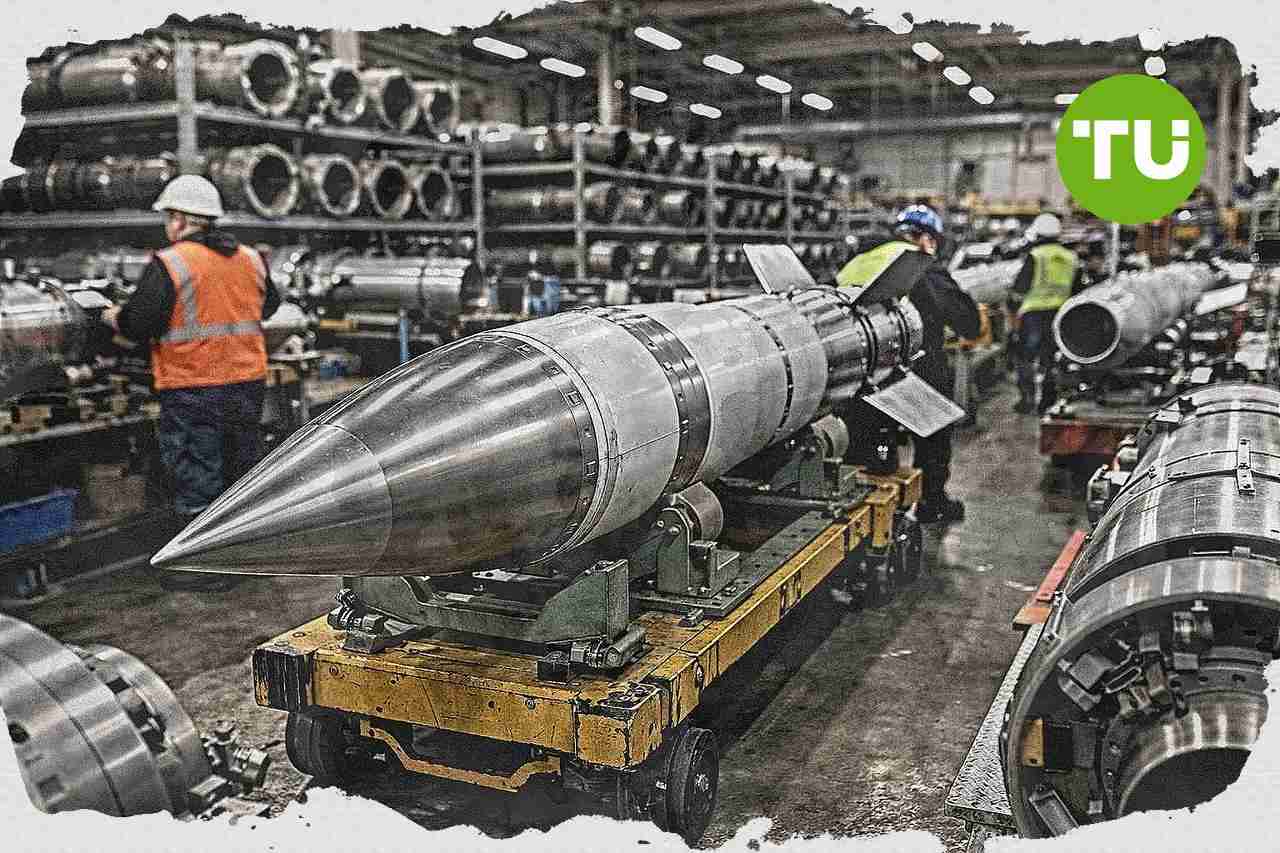
Rising Pentagon spending to rebuild missile inventories is pushing major U.S. defense groups to expand production and increase capacity. The surge follows heavy weapons use in the Iran conflict and continued support for Ukraine, which have strained stockpiles and extended order visibility for years.
Highlights
- Lockheed Martin's missile business Q2 revenue rises 19 percent to $4.1bn, backlog hits $230bn boosted by a $35bn THAAD order.
- RTX reports 18 percent Q2 sales growth as Pentagon requests 785 Tomahawk missiles for 2027, far above prior annual averages.
- Lockheed shares jump over 11 percent and RTX shares rise 9 percent after the U.S. defense budget request exceeds $1tn and multi-year purchase frameworks are expanded.
Missile orders expand production outlook
As reported by Financial Times, Lockheed Martin, Northrop Grumman and RTX are reporting stronger sales and higher backlogs as the Pentagon shifts the defense industrial base onto a war footing and presses contractors to replenish depleted inventories.Lockheed says second-quarter revenue in its missile business rises 19 per cent from a year earlier to $4.1bn, helped by increased production of Patriot and Precision Strike missiles used by the U.S. in its Iran war. A $35bn order from the U.S. Missile Defense Agency to quadruple production of the Terminal High Altitude Area Defense anti-ballistic missile system helps lift the Maryland-based company’s backlog to $230bn.
RTX reports second-quarter sales growth of 18 per cent. The company makes the Tomahawk missile, which features prominently in the U.S. military campaign against Iran, and the Pentagon has requested 785 Tomahawks for the 2027 budget after procuring an average of 86 a year over the past decade.
Northrop Grumman says its backlog reaches a record $105bn after second-quarter contract awards totaling $20bn, including $7.6bn for the Sentinel intercontinental ballistic missile program, part of the land-based leg of the U.S. nuclear triad deterrence strategy.
Conflict-driven demand supports longer-term investment
The Center for Strategic and International Studies says in May that the U.S. has expended between 1,000 and 1,400 Patriot missiles in Iran, and that this, combined with aid to Ukraine, creates deep order bottlenecks that may take until mid-2029 to clear. Scott Mikus, an analyst at Melius Research, says hostilities between Iran and the U.S. will further deplete inventories of missiles and interceptors sold by RTX, while overseas buyers still account for 48 per cent of Raytheon’s backlog.The Pentagon is increasing pressure on prime contractors to raise output and is using longer seven-year framework agreements for munitions purchases to give companies and suppliers firmer demand signals. Lockheed breaks ground in May on a new facility in Alabama, while Northrop, Raytheon and L3Harris are investing billions of dollars to expand manufacturing capacity.
Investor reaction is also strong, with Lockheed shares rising more than 11 per cent on Thursday morning and RTX shares up 9 per cent. RTX chief executive Christopher Calio says the U.S. base defense budget request crossing $1tn is significant, while Lockheed chief executive Jim Taiclet tells investors the new framework agreements support investment in manufacturing and design before orders arrive.
Our earlier coverage of Lockheed Martin and RTX’s upgraded 2026 outlook explained how conflict-driven replenishment needs are lifting missile-related sales and pushing backlogs higher. We noted that stronger orders for systems such as Patriot, precision strike munitions and THAAD supported guidance increases, as the Pentagon and international customers move to rebuild stockpiles.






Latest Northrop Grumman Corporation News




-
 Afghanistan
-
 Albania
-
 Algeria
-
 Angola
-
 Argentina
-
 Armenia
-
 Australia
-
 Austria
-
 Azerbaijan
-
 Bahamas
-
 Bahrain
-
 Bangladesh
-
 Belarus
-
 Belgium
-
 Bolivia
-
 Botswana
-
 Brazil
-
 Brunei
-
 Bulgaria
-
 Cambodia
-
 Cameroon
-
 Canada
-
 Chile
-
 China
-
 Colombia
-
 Congo
-
 Costa Rica
-
 Cote d'Ivoire
-
 Croatia
-
 Cuba
-
 Cyprus
-
 Czechia
-
 DR Congo
-
 Denmark
-
 Dominican Republic
-
 Ecuador
-
 Egypt
-
 El Salvador
-
 Estonia
-
 Eswatini
-
 Ethiopia
-
 Finland
-
 France
-
 Georgia
-
 Germany
-
 Ghana
-
 Greece
-
 Haiti
-
 Hong Kong
-
 Hungary
-
 India
-
 Indonesia
-
 Iran, Islamic republic
-
 Iraq
-
 Ireland
-
 Israel
-
 Italy
-
 Jamaica
-
 Japan
-
 Jordan
-
 Kazakhstan
-
 Kenya
-
 Korea
-
 Kuwait
-
 Kyrgyzstan
-
 Laos
-
 Latvia
-
 Lebanon
-
 Lesotho
-
 Libya
-
 Lithuania
-
 Luxembourg
-
 Madagascar
-
 Malaysia
-
 Malta
-
 Mauritius
-
 Mexico
-
 Moldova
-
 Mongolia
-
 Montenegro
-
 Morocco
-
 Mozambique
-
 Myanmar
-
 Namibia
-
 Nepal
-
 Netherlands
-
 New Zealand
-
 Nigeria
-
 North Macedonia
-
 Norway
-
 Oman
-
 Pakistan
-
 Palestine
-
 Panama
-
 Papua New Guinea
-
 Paraguay
-
 Peru
-
 Philippines
-
 Poland
-
 Portugal
-
 Puerto Rico
-
 Qatar
-
 Reunion
-
 Romania
-
 Rwanda
-
 Saudi Arabia
-
 Serbia
-
 Singapore
-
 Slovakia
-
 Slovenia
-
 Somalia
-
 South Africa
-
 Spain
-
 Sri Lanka
-
 Sweden
-
 Switzerland
-
 Syria
-
 Taiwan
-
 Tajikistan
-
 Tanzania
-
 Thailand
-
 Trinidad and Tobago
-
 Tunisia
-
 Turkey
-
 UAE
-
 Uganda
-
 Ukraine
-
 United Kingdom
-
United States
-
 Uruguay
-
 Uzbekistan
-
 Venezuela
-
 Vietnam
-
 Yemen
-
 Zambia
-
 Zimbabwe
- Forex
- Crypto












