

Alibaba shares rise as company unveils AI chip and data center expansion plan

Alibaba shares rise about 3% in Hong Kong on Tuesday as the Chinese technology group sets out a broader artificial intelligence infrastructure push at its annual Apsara Conference in Hangzhou. The plan combines a new in-house chip, a major global data center capacity target through 2032 and updated timelines for the company’s next Qwen model series.
Highlights
- Alibaba unveils the Zhenwu V900 AI chip, offering triple the performance of the M890, with mass production and commercial release slated for Q1 2027.
- Alibaba Cloud aims to expand global data center capacity to over 20 gigawatts by 2032, supporting broader infrastructure and AI model development including the upcoming Qwen 4, 4.5, and 5 series.
- Rising competition is evident as Alibaba, Nvidia, Meta, and Huawei announce multi-gigawatt AI infrastructure projects, underscoring intensifying demand for computing power and data center expansion.
AI chip launch and infrastructure roadmap
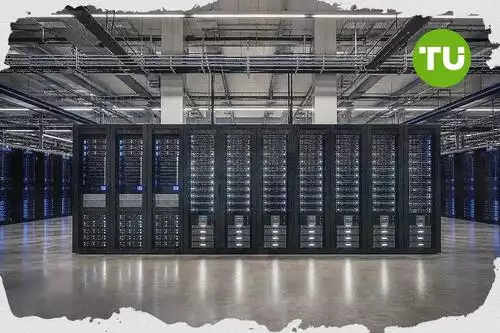
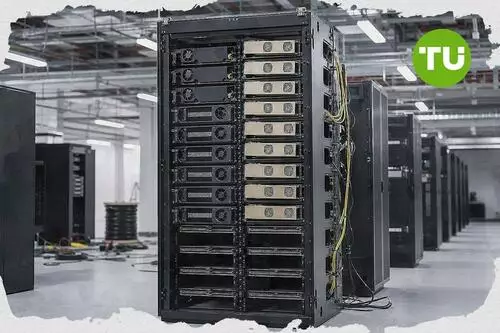
As reported by CNBC, Alibaba presents the Zhenwu V900 at its cloud unit’s flagship event, saying the next-generation AI chip delivers three times the performance of its predecessor, the Zhenwu M890, which the company released in May.The company also says it plans to expand Alibaba Cloud’s global data center capacity to more than 20 gigawatts by 2032, positioning the investment as part of a wider roadmap covering chips, cloud infrastructure and AI models. Alibaba says the new Zhenwu chip is scheduled for mass production and commercial release in the first quarter of 2027, while its existing Zhenwu chips are already used by more than 650 customers in sectors including automotive, finance, energy and manufacturing.
Alibaba adds that its next-generation Qwen 4 model is currently in training and outlines plans for future Qwen 4.5 and Qwen 5 model series. Eddie Wu, CEO of Alibaba Group, says machine thinking still has an "enormous growth runway" and compares current AI development with the early stages of electrification, adding that "AI coding is simply the light bulb of the machine intelligence era."
Competitive pressure in global AI buildout
The announcements highlight Alibaba’s effort to deepen its role in the infrastructure behind the AI boom as competition for computing power intensifies across global technology markets. The move places the company alongside Western peers that are committing heavily to chips, power capacity and large-scale data center networks.Earlier this month, Nvidia outlined plans to work with Australian partners to support up to 2 gigawatts of AI infrastructure in the country by 2027. Meta also unveiled plans in July for its first data center in Canada, a 1-gigawatt facility in Alberta that is expected to cost about $9 billion and take up to three years to complete.
Competition is also increasing within China. Alibaba’s domestic peer Huawei unveils new AI infrastructure last week that it says can scale to as many as one million processors.
Our earlier report on China’s nuclear buildout highlighted how surging electricity demand from AI data centers is reshaping the country’s power strategy and investment priorities. We noted that China is accelerating conventional nuclear construction while also backing small modular reactors and fusion ventures, aiming to secure reliable, clean power for fast-growing computing needs and broader energy security goals.






Latest Alibaba News



-
 Afghanistan
-
 Albania
-
 Algeria
-
 Angola
-
 Argentina
-
 Armenia
-
 Australia
-
 Austria
-
 Azerbaijan
-
 Bahamas
-
 Bahrain
-
 Bangladesh
-
 Belarus
-
 Belgium
-
 Bolivia
-
 Botswana
-
 Brazil
-
 Brunei
-
 Bulgaria
-
 Cambodia
-
 Cameroon
-
 Canada
-
 Chile
-
 China
-
 Colombia
-
 Congo
-
 Costa Rica
-
 Cote d'Ivoire
-
 Croatia
-
 Cuba
-
 Cyprus
-
 Czechia
-
 DR Congo
-
 Denmark
-
 Dominican Republic
-
 Ecuador
-
 Egypt
-
 El Salvador
-
 Estonia
-
 Eswatini
-
 Ethiopia
-
 Finland
-
 France
-
 Georgia
-
 Germany
-
 Ghana
-
 Greece
-
 Haiti
-
 Hong Kong
-
 Hungary
-
 India
-
 Indonesia
-
 Iran, Islamic republic
-
 Iraq
-
 Ireland
-
 Israel
-
 Italy
-
 Jamaica
-
 Japan
-
 Jordan
-
 Kazakhstan
-
 Kenya
-
 Korea
-
 Kuwait
-
 Kyrgyzstan
-
 Laos
-
 Latvia
-
 Lebanon
-
 Lesotho
-
 Libya
-
 Lithuania
-
 Luxembourg
-
 Madagascar
-
 Malaysia
-
 Malta
-
 Mauritius
-
 Mexico
-
 Moldova
-
 Mongolia
-
 Montenegro
-
 Morocco
-
 Mozambique
-
 Myanmar
-
 Namibia
-
 Nepal
-
 Netherlands
-
 New Zealand
-
 Nigeria
-
 North Macedonia
-
 Norway
-
 Oman
-
 Pakistan
-
 Palestine
-
 Panama
-
 Papua New Guinea
-
 Paraguay
-
 Peru
-
 Philippines
-
 Poland
-
 Portugal
-
 Puerto Rico
-
 Qatar
-
 Reunion
-
 Romania
-
 Rwanda
-
 Saudi Arabia
-
 Serbia
-
 Singapore
-
 Slovakia
-
 Slovenia
-
 Somalia
-
 South Africa
-
 Spain
-
 Sri Lanka
-
 Sweden
-
 Switzerland
-
 Syria
-
 Taiwan
-
 Tajikistan
-
 Tanzania
-
 Thailand
-
 Trinidad and Tobago
-
 Tunisia
-
 Turkey
-
 UAE
-
 Uganda
-
 Ukraine
-
 United Kingdom
-
United States
-
 Uruguay
-
 Uzbekistan
-
 Venezuela
-
 Vietnam
-
 Yemen
-
 Zambia
-
 Zimbabwe
- Forex
- Crypto












