

France to release diesel reserves as protests add pressure to budget cuts

France is moving to lower diesel costs as student protests over education funding intensify and broader frustration over living standards spreads. The planned release of 10 million barrels from strategic diesel reserves comes as Prime Minister Sebastien Lecornu also pushes a 43 billion euro spending-cut plan through a divided parliament.
Highlights
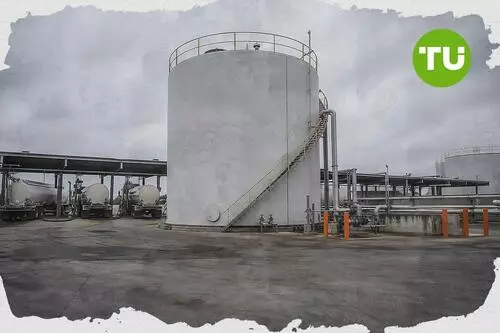
- France will release 10 million barrels from strategic diesel reserves at cost price, aiming to lower pump prices by 12 to 18 euro cents per litre.
- Hundreds of schools will close and student protests escalate as government faces criticism over underfunded public services and suspends stun grenade use following police injury incident.
- Lecornu seeks to cut 43 billion euros ($48.1 billion) from the budget amid social unrest, as France's 10-year OAT yield rises to 4.9% and its risk premium over Germany nearly doubles.
Diesel release and protest backdrop
As reported by CNBC, Lecornu says France will release 10 million barrels from its strategic diesel reserves at cost price, using stocks bought before the U.S.-Iran war drove a global energy price surge. He says the measure is set to cut diesel prices at the pump by 12 to 18 euro cents per litre.In a televised address on Wednesday, Lecornu says the anger behind the protests "did not come out of nowhere" and acknowledges that the public feels "fatigue" after a series of crises. Hundreds of French schools are due to close on Thursday during the nationwide student protest dubbed "semaine noire," or "black week," with blockades reported in many cities.
The government also suspends the use of stun grenades after a 15-year-old boy loses a hand earlier in the week, adding to accusations of police brutality. Protesters say years of underinvestment have left schools overcrowded, deteriorating, under-resourced and short-staffed.
Market pressure and fiscal risks
France's attempt to calm social unrest unfolds as the government seeks to reassure bond markets by cutting spending. Wider dissatisfaction in the country spans wages, public services, political dysfunction, immigration and security, while support rises for the far-right National Rally and the left-wing New Popular Front alliance at the expense of the center-right government.Lecornu is trying to pass a budget that cuts about 43 billion euros, or $48.1 billion, in public spending without a parliamentary majority. Analysts say he may have to use emergency powers, a step that has helped topple some predecessors.
French borrowing costs have risen sharply this year during a wider bond market selloff. France's benchmark borrowing cost has climbed by about 1.26 percentage points to its highest level since 2002, its risk premium over Germany has nearly doubled, and the yield on 10-year OATs is last seen 3 basis points higher at about 4.9% on Thursday.
Lecornu says the fiscal consolidation drive is intended to prevent harsher steps later. In his Wednesday speech, he says making decisions now and sharing the burden fairly will help avoid far more drastic measures down the line.
European banking stocks have come under renewed pressure as a bond market selloff pushes yields higher and widens sovereign spreads, raising concerns about lenders’ debt holdings and rate-sensitive exposure. Our earlier coverage also noted that rising oil prices can revive inflation fears and worsen market sentiment, reinforcing volatility across European financial assets.





Latest AMF France News





-
 Afghanistan
-
 Albania
-
 Algeria
-
 Angola
-
 Argentina
-
 Armenia
-
 Australia
-
 Austria
-
 Azerbaijan
-
 Bahamas
-
 Bahrain
-
 Bangladesh
-
 Belarus
-
 Belgium
-
 Bolivia
-
 Botswana
-
 Brazil
-
 Brunei
-
 Bulgaria
-
 Cambodia
-
 Cameroon
-
 Canada
-
 Chile
Chile
-
 China
China
-
 Colombia
-
 Congo
Congo
-
 Costa Rica
-
 Cote d'Ivoire
-
 Croatia
-
 Cuba
Cuba
-
 Cyprus
-
 Czechia
-
 DR Congo
-
 Denmark
-
 Dominican Republic
-
 Ecuador
-
 Egypt
Egypt
-
 El Salvador
-
 Estonia
-
 Eswatini
-
 Ethiopia
-
 Finland
-
 France
-
 Georgia
-
 Germany
-
 Ghana
Ghana
-
 Greece
-
 Haiti
Haiti
-
 Hong Kong
-
 Hungary
-
 India
India
-
 Indonesia
-
 Iran, Islamic republic
-
 Iraq
Iraq
-
 Ireland
-
 Israel
-
 Italy
Italy
-
 Jamaica
-
 Japan
Japan
-
 Jordan
-
 Kazakhstan
-
 Kenya
Kenya
-
 Korea
Korea
-
 Kuwait
-
 Kyrgyzstan
-
 Laos
Laos
-
 Latvia
-
 Lebanon
-
 Lesotho
-
 Libya
Libya
-
 Lithuania
-
 Luxembourg
-
 Madagascar
-
 Malaysia
-
 Malta
Malta
-
 Mauritius
-
 Mexico
-
 Moldova
-
 Mongolia
-
 Montenegro
-
 Morocco
-
 Mozambique
-
 Myanmar
-
 Namibia
-
 Nepal
Nepal
-
 Netherlands
-
 New Zealand
-
 Nigeria
-
 North Macedonia
-
 Norway
-
 Oman
Oman
-
 Pakistan
-
 Palestine
-
 Panama
-
 Papua New Guinea
-
 Paraguay
-
 Peru
Peru
-
 Philippines
-
 Poland
-
 Portugal
-
 Puerto Rico
-
 Qatar
Qatar
-
 Reunion
-
 Romania
-
 Rwanda
-
 Saudi Arabia
-
 Serbia
-
 Singapore
-
 Slovakia
-
 Slovenia
-
 Somalia
-
 South Africa
-
 Spain
Spain
-
 Sri Lanka
-
 Sweden
-
 Switzerland
-
 Syria
Syria
-
 Taiwan
-
 Tajikistan
-
 Tanzania
-
 Thailand
-
 Trinidad and Tobago
-
 Tunisia
-
 Turkey
-
 UAE
UAE
-
 Uganda
-
 Ukraine
-
 United Kingdom
-
United States
-
 Uruguay
-
 Uzbekistan
-
 Venezuela
-
 Vietnam
-
 Yemen
Yemen
-
 Zambia
-
 Zimbabwe
- Forex
- Crypto












