
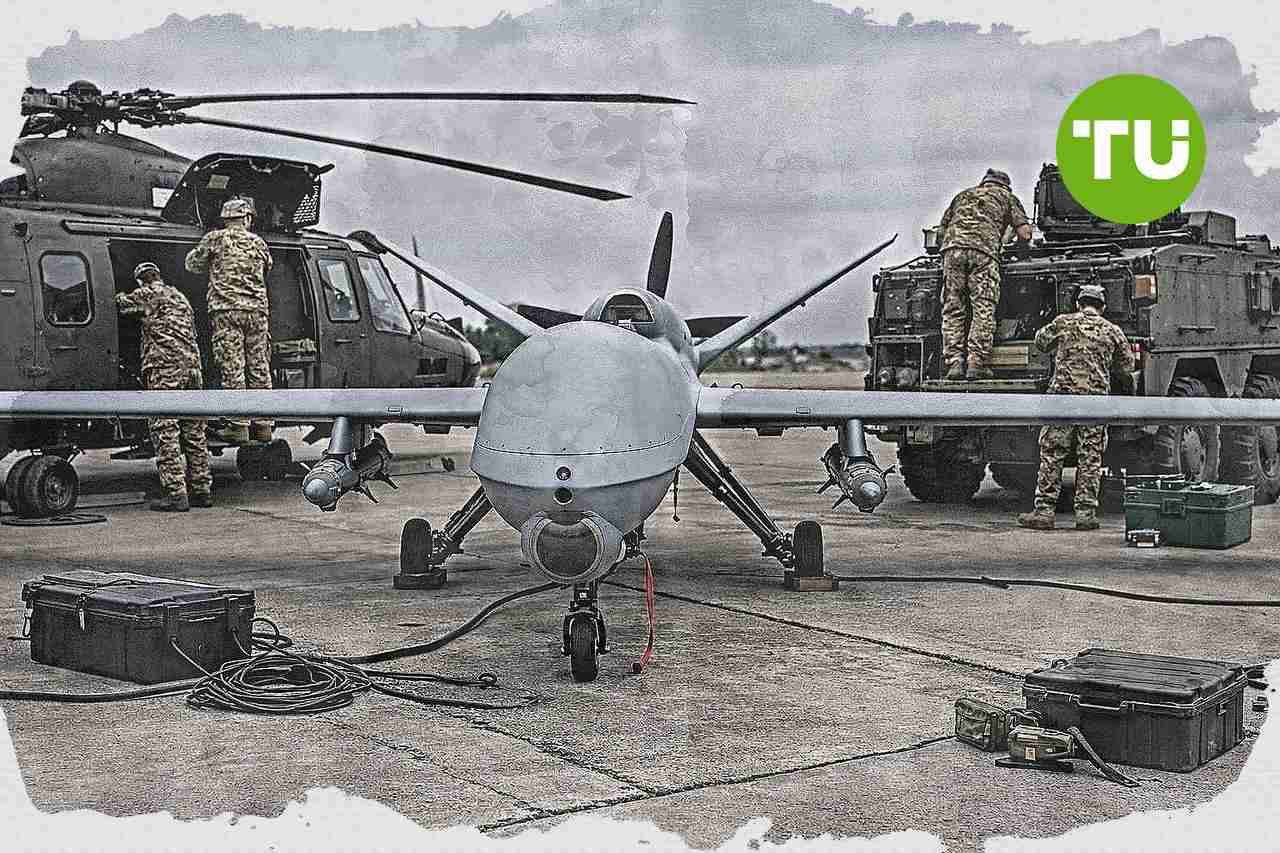
Britain is expanding the role of drones and autonomous systems across its Armed Forces under a new defence investment push. The plan is backed by more than £5 billion and is intended to support military capability as well as create thousands of British jobs.
Highlights
- The UK Defence Investment Plan allocates more than £5 billion to accelerate adoption of drones and autonomous systems across the military starting 30 June.
- The Royal Navy, Army and RAF will deploy attack drones, autonomous mine-hunting platforms, loitering munitions and develop an autonomous fighter jet demonstrator by 2030.
- The plan responds to lessons from conflicts in Iran and Ukraine by prioritizing cheaper, rapidly innovating autonomous systems and prompting a major procurement and force design shift.
Defence investment plan targets drone capability
As stated on GOV.UK, the Prime Minister is unveiling the Defence Investment Plan in a speech at a British defence company on Tuesday 30 June, setting out new spending to speed the adoption of drones and autonomous systems across the military. The government says the programme is designed to strengthen national security for the long term while reshaping how the Armed Forces operate.The investment aims to build a more flexible and integrated force, with attack drones operating alongside Army helicopters, new drones helping RAF jets avoid enemy detection, and the Royal Navy combining crewed and uncrewed vessels. The programme covers a broad range of systems, from autonomous mine-hunting platforms to small tactical quadcopters and low-cost one-way attack drones.
Armed Forces overhaul carries industrial impact
The government links the spending programme to lessons from current conflicts in Iran and Ukraine, where drones are changing warfare by allowing relatively cheap systems to strike high-value targets and by shortening innovation cycles. That assessment supports a wider shift in procurement and force design across the defence sector.Under the plan, the Royal Navy is moving toward a hybrid model that combines autonomous vessels and AI with conventional warships and aircraft. The British Army is increasing investment in expendable autonomous systems, loitering munitions and uncrewed ground vehicles, while the Royal Air Force is developing autonomous fighter jets, with a demonstrator due to fly by at least 2030.
Applied Aerospace & Defense’s post-IPO outlook was the focus of our earlier coverage, highlighting how new analyst initiations followed the company’s $650 million market debut and pointed to further upside for the stock. We noted that the newly listed supplier is positioned across defence aviation, missiles, munitions, radar and space systems, with analysts expecting solid revenue growth through 2030 as national-security spending and defence-industrial rebuilding remain supportive.





Latest OFSI News










-
 Afghanistan
-
 Albania
-
 Algeria
-
 Angola
-
 Argentina
-
 Armenia
-
 Australia
-
 Austria
-
 Azerbaijan
-
 Bahamas
-
 Bahrain
-
 Bangladesh
-
 Belarus
-
 Belgium
-
 Bolivia
-
 Botswana
-
 Brazil
-
 Brunei
-
 Bulgaria
-
 Cambodia
-
 Cameroon
-
 Canada
-
 Chile
Chile
-
 China
China
-
 Colombia
-
 Congo
Congo
-
 Costa Rica
-
 Cote d'Ivoire
-
 Croatia
-
 Cuba
Cuba
-
 Cyprus
-
 Czechia
-
 DR Congo
-
 Denmark
-
 Dominican Republic
-
 Ecuador
-
 Egypt
Egypt
-
 El Salvador
-
 Estonia
-
 Eswatini
-
 Ethiopia
-
 Finland
-
 France
-
 Georgia
-
 Germany
-
 Ghana
Ghana
-
 Greece
-
 Haiti
Haiti
-
 Hong Kong
-
 Hungary
-
 India
India
-
 Indonesia
-
 Iran, Islamic republic
-
 Iraq
Iraq
-
 Ireland
-
 Israel
-
 Italy
Italy
-
 Jamaica
-
 Japan
Japan
-
 Jordan
-
 Kazakhstan
-
 Kenya
Kenya
-
 Korea
Korea
-
 Kuwait
-
 Kyrgyzstan
-
 Laos
Laos
-
 Latvia
-
 Lebanon
-
 Lesotho
-
 Libya
Libya
-
 Lithuania
-
 Luxembourg
-
 Madagascar
-
 Malaysia
-
 Malta
Malta
-
 Mauritius
-
 Mexico
-
 Moldova
-
 Mongolia
-
 Montenegro
-
 Morocco
-
 Mozambique
-
 Myanmar
-
 Namibia
-
 Nepal
Nepal
-
 Netherlands
-
 New Zealand
-
 Nigeria
-
 North Macedonia
-
 Norway
-
 Oman
Oman
-
 Pakistan
-
 Palestine
-
 Panama
-
 Papua New Guinea
-
 Paraguay
-
 Peru
Peru
-
 Philippines
-
 Poland
-
 Portugal
-
 Puerto Rico
-
 Qatar
Qatar
-
 Reunion
-
 Romania
-
 Rwanda
-
 Saudi Arabia
-
 Serbia
-
 Singapore
-
 Slovakia
-
 Slovenia
-
 Somalia
-
 South Africa
-
 Spain
Spain
-
 Sri Lanka
-
 Sweden
-
 Switzerland
-
 Syria
Syria
-
 Taiwan
-
 Tajikistan
-
 Tanzania
-
 Thailand
-
 Trinidad and Tobago
-
 Tunisia
-
 Turkey
-
 UAE
UAE
-
 Uganda
-
 Ukraine
-
 United Kingdom
-
United States
-
 Uruguay
-
 Uzbekistan
-
 Venezuela
-
 Vietnam
-
 Yemen
Yemen
-
 Zambia
-
 Zimbabwe
- Forex
- Crypto











