
EU steel rules tighten import quotas as overcapacity protections take effect
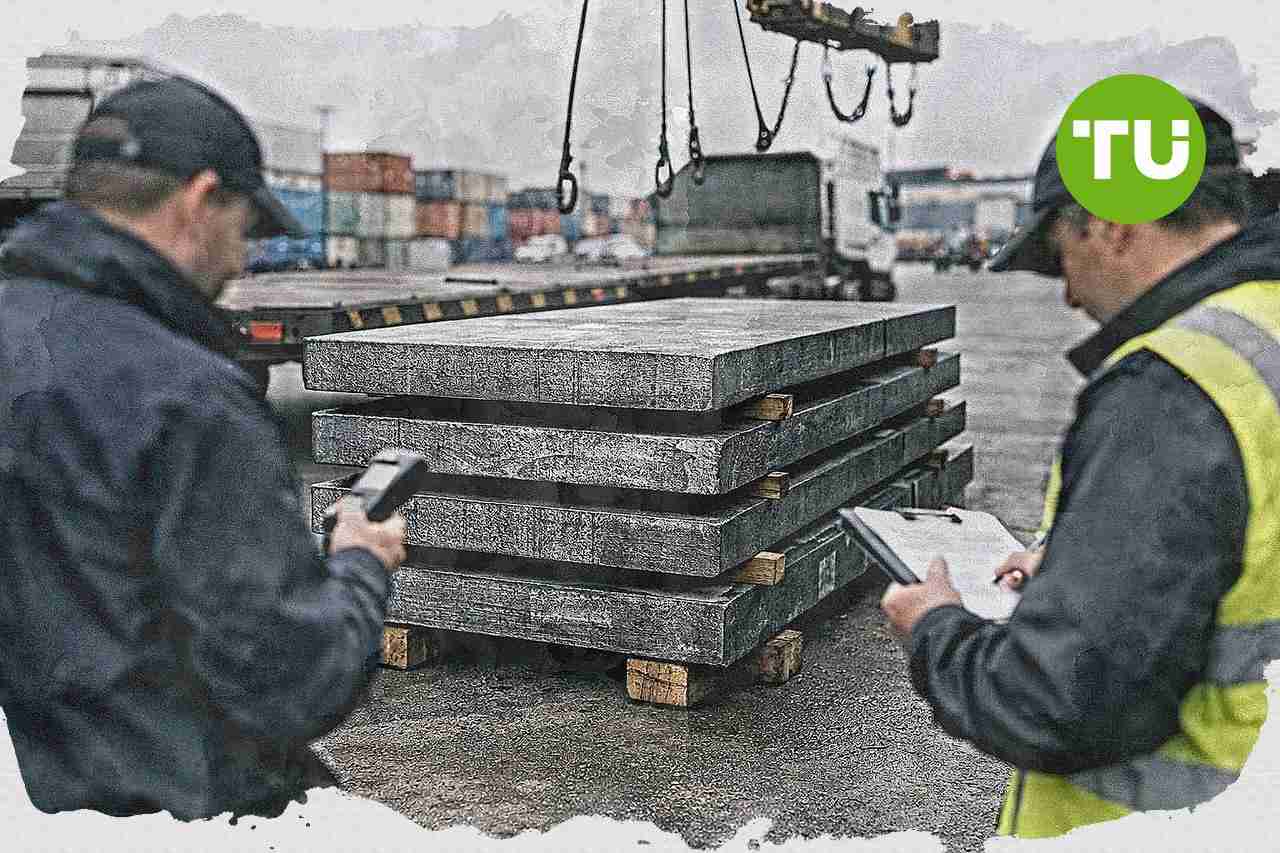
The European Union is putting a new steel trade regime into force on 1 July 2026 as it seeks to shield a strategically important industry from persistent global overcapacity. The framework combines lower overall tariff quotas with a higher duty on out-of-quota imports, while preserving preferential access for Free Trade Agreement partners.
Highlights
- New EU implementing regulation published today allocates reduced steel import quotas totaling 18.3 million tonnes annually with a 50% duty on out-of-quota imports.
- Half the EU steel quota is reserved for preferential trading partners, allowing FTA partners substantially more access despite an average 47% quota reduction under the Steel Regulation.
- The measure, effective from 1 July for six months, requires traceability disclosure and is part of the EU's effort to address global steel overcapacity and support domestic producers.
Quota allocation and implementation timeline
As reported by the European Commission, the implementing regulation published today sets out how tariff quotas are distributed among the EU's trading partners under the new Steel Regulation. The system is designed to replace the expiring steel safeguard with reduced overall quotas and a higher out-of-quota duty, while maintaining predictable access to the EU market for third-country suppliers.The quota distribution follows criteria defined in the Steel Regulation and is intended to preserve supply diversity for EU downstream users through what the Commission describes as a fair and objective methodology. The implementing regulation also seeks to limit the impact on Free Trade Agreement partners without weakening the measure, with 80% of EU steel imports coming from those countries.
Half of the EU's annual import quota, set at 18.3 million tonnes, is reserved exclusively for preferential trading partners, while the other half remains open to all partners without discrimination, including FTA countries. As a result, FTA partners retain a significantly larger share of EU market access than the average 47% reduction foreseen under the Steel Regulation.
Because quotas need to be distributed from 1 July, the measure uses an urgency procedure. Member States are due to vote within 14 days of the College of Commissioners adopting the implementing regulation, and the measure remains in force for a maximum of six months before being resubmitted under the normal comitology procedure before the end of 2026.
Trade negotiations and industry impact
The EU says it has addressed trading partners' concerns through discussions at the World Trade Organization under Article XXVIII of the GATT, and a significant number of partners have provisionally agreed to their allocated quotas. The Commission says it will continue engaging with partners at the WTO under ongoing GATT negotiations.The broader Steel Regulation sets tariff-free quotas at 18.3 million tonnes a year and imposes a 50% duty on imports above those limits across 26 steel product categories. It also introduces a traceability requirement, obliging companies to disclose where the melt and pour stage of imported steel production takes place to improve supply-chain transparency.
Brussels presents the measure as part of its response to global steel overcapacity, which it says continues to distort international markets and pressure European producers. The policy is intended to restore fairer competition, protect jobs in EU steelmaking and give producers more room to invest in cleaner and more innovative production, while balancing the needs of steel users, importers and the bloc's international obligations.
The move follows the EU's wider industrial strategy for metals. The Competitiveness Compass adopted in January 2025 identified steel and metals as a key action area, and the Steel and Metals Action Plan adopted in March 2025 set out the trade measure intended to replace the safeguard first introduced in July 2018.
In our earlier coverage of the EU tightening its steel import regime, we explained that Brussels plans to cap tariff-free imports at 18.3 million tonnes a year and apply a 50% duty on volumes above the quotas across 26 product categories from 1 July. We also noted how quota shares differ for FTA and non-FTA partners and that the package adds a melt-and-pour traceability requirement as the EU responds to global overcapacity and rising pressure on domestic steelmakers.


Latest Tariffs News





-
 Afghanistan
-
 Albania
-
 Algeria
-
 Angola
-
 Argentina
-
 Armenia
-
 Australia
-
 Austria
-
 Azerbaijan
-
 Bahamas
-
 Bahrain
-
 Bangladesh
-
 Belarus
-
 Belgium
-
 Bolivia
-
 Botswana
-
 Brazil
-
 Brunei
-
 Bulgaria
-
 Cambodia
-
 Cameroon
-
 Canada
-
 Chile
Chile
-
 China
China
-
 Colombia
-
 Congo
Congo
-
 Costa Rica
-
 Cote d'Ivoire
-
 Croatia
-
 Cuba
Cuba
-
 Cyprus
-
 Czechia
-
 DR Congo
-
 Denmark
-
 Dominican Republic
-
 Ecuador
-
 Egypt
Egypt
-
 El Salvador
-
 Estonia
-
 Eswatini
-
 Ethiopia
-
 Finland
-
 France
-
 Georgia
-
 Germany
-
 Ghana
Ghana
-
 Greece
-
 Haiti
Haiti
-
 Hong Kong
-
 Hungary
-
 India
India
-
 Indonesia
-
 Iran, Islamic republic
-
 Iraq
Iraq
-
 Ireland
-
 Israel
-
 Italy
Italy
-
 Jamaica
-
 Japan
Japan
-
 Jordan
-
 Kazakhstan
-
 Kenya
Kenya
-
 Korea
Korea
-
 Kuwait
-
 Kyrgyzstan
-
 Laos
Laos
-
 Latvia
-
 Lebanon
-
 Lesotho
-
 Libya
Libya
-
 Lithuania
-
 Luxembourg
-
 Madagascar
-
 Malaysia
-
 Malta
Malta
-
 Mauritius
-
 Mexico
-
 Moldova
-
 Mongolia
-
 Montenegro
-
 Morocco
-
 Mozambique
-
 Myanmar
-
 Namibia
-
 Nepal
Nepal
-
 Netherlands
-
 New Zealand
-
 Nigeria
-
 North Macedonia
-
 Norway
-
 Oman
Oman
-
 Pakistan
-
 Palestine
-
 Panama
-
 Papua New Guinea
-
 Paraguay
-
 Peru
Peru
-
 Philippines
-
 Poland
-
 Portugal
-
 Puerto Rico
-
 Qatar
Qatar
-
 Reunion
-
 Romania
-
 Rwanda
-
 Saudi Arabia
-
 Serbia
-
 Singapore
-
 Slovakia
-
 Slovenia
-
 Somalia
-
 South Africa
-
 Spain
Spain
-
 Sri Lanka
-
 Sweden
-
 Switzerland
-
 Syria
Syria
-
 Taiwan
-
 Tajikistan
-
 Tanzania
-
 Thailand
-
 Trinidad and Tobago
-
 Tunisia
-
 Turkey
-
 UAE
UAE
-
 Uganda
-
 Ukraine
-
 United Kingdom
-
United States
-
 Uruguay
-
 Uzbekistan
-
 Venezuela
-
 Vietnam
-
 Yemen
Yemen
-
 Zambia
-
 Zimbabwe
- Forex
- Crypto












