
EU raises steel import tariffs as quota cuts tighten market protection
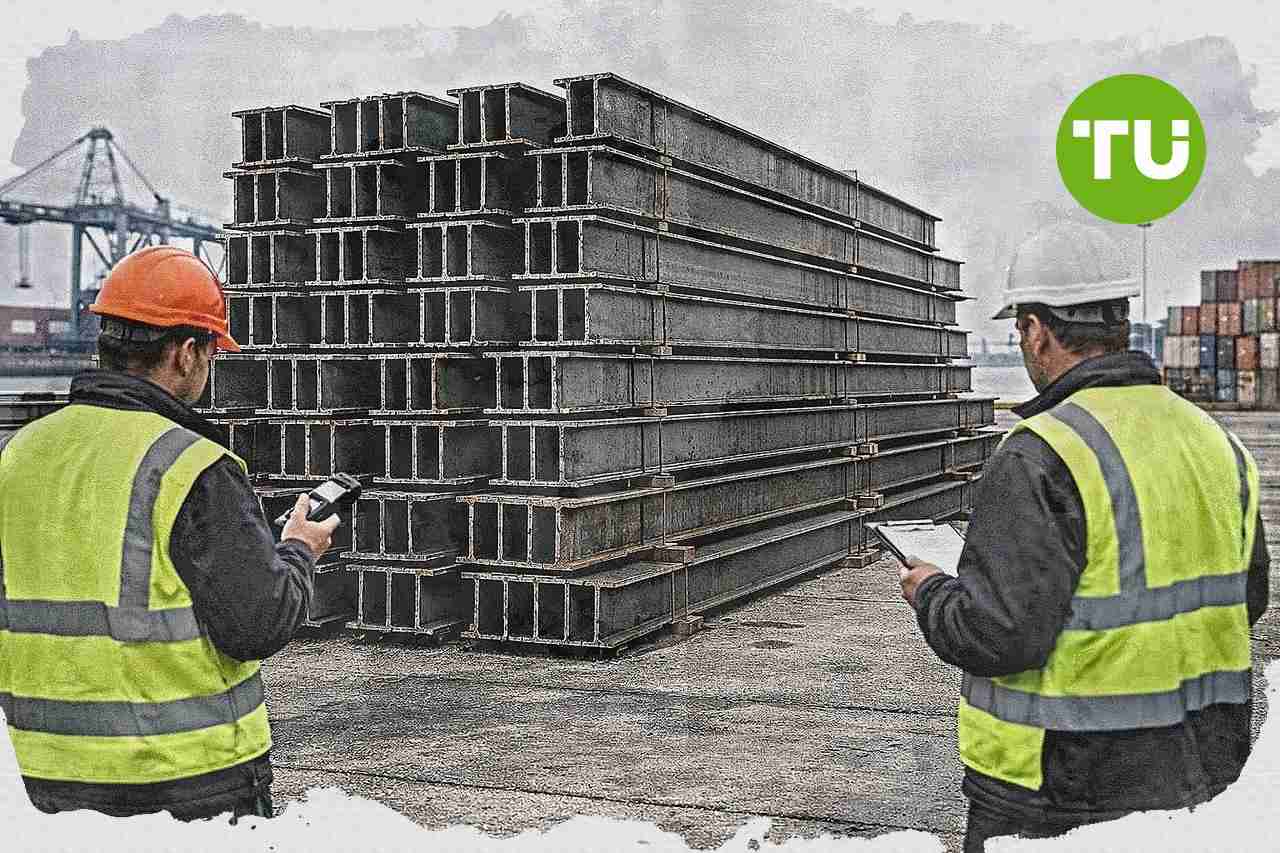
The European Union is tightening safeguards for its steel sector by reducing duty-free import volumes and applying a 50 percent tariff on a broader share of incoming steel from July 1. The move affects key trading partners, including countries with free trade agreements, and comes as Brussels responds to rising import pressure after similar restrictions in the U.S., UK and Canada.
Highlights
- From July 1, Brussels will cap tariff-free steel imports at 18.3 million tonnes yearly and impose a 50 percent out-of-quota duty across 26 product categories.
- Countries with FTAs receive quotas equal to 66 percent of historic exports while non-FTA countries, including China, get only 31 percent, intensifying trade tensions with Japan, South Korea, and the UK.
- OECD projects global steel overcapacity to surpass 720 million tonnes by 2027, pressuring EU steelmakers who cut 18,000 jobs in 2024 amid rising imports and shrinking exports.
Quota cuts and tariff increase from July 1
As reported by Financial Times, Brussels is implementing a previously announced regime that sets tariff-free quotas at 18.3 million tonnes a year and imposes a 50 percent out-of-quota duty across 26 categories of steel products. EU member states still need to endorse the proposal before it takes effect on July 1.The bloc says the quota allocation gives market participants greater predictability while remaining consistent with World Trade Organization rules. EU trade commissioner Maroš Šefčovič says the approach balances the bloc's free trade agreement commitments, its Article XXVIII negotiations at the WTO and the need to preserve diversified supply.
A senior EU official says the reduction in quotas and the doubling of the tariff rate has already created tension with major trading partners during compensation talks with Brussels. Under Article XXVIII of the General Agreement on Tariffs and Trade, countries affected by tariff changes are entitled to compensation for resulting injury, with Japan, South Korea and the UK among those significantly affected.
Under the new system, about 80 percent of EU steel imports coming from FTA partners are treated more favorably, with countries that accept the new regime receiving quotas equal to an average 66 percent of their historic exports. Countries without an FTA or a separate deal, including China, receive only about 31 percent of their historic quota on average.
The measures also add a U.S.-style traceability rule aimed at preventing Chinese steel from entering through third countries. Importers must provide information showing where the melt-and-pour stage of steel production takes place.
Pressure on EU industry and wider trade fallout
The tariff tightening reflects growing concern in Brussels over global steel oversupply and the vulnerability of the EU's steel industry. Officials say the latest U.S. decision to raise steel tariffs to 50 percent is diverting Asian exports toward Europe, increasing pressure on the bloc's domestic producers.One senior EU official says the U.S. has effectively built a barrier that causes steel to rebound into the European market. The same official argues the bloc must respond to structural overcapacity driven by non-market policies and practices, language often used by European policymakers in reference to China.
The UK recently finalized a similar plan to cut tariff-free steel quotas by 51 percent and double tariffs to 50 percent, aligning its stance more closely with Brussels as well as with measures already in place in the U.S. and Canada. The OECD says global excess steelmaking capacity is set to exceed 720 million tonnes by 2027, with China accounting for most of the glut.
EU steelmakers remain under strain. Trade body Eurofer says the sector cut 18,000 jobs in 2024, adding to 90,000 layoffs since 2008, while steel imports have doubled since 2012-13 and exports to the U.S. have fallen after Donald Trump's 50 percent levies.
Brussels is also hoping to build a joint steel club with other advanced economies, including the U.S., to reduce barriers between participating countries. For now, however, the immediate policy focus remains on shielding the EU market from redirected imports and stabilizing conditions for regional producers.
In our earlier report on U.S. retailers frontloading orders from China ahead of expected tariff increases, we noted that shipments were being pulled forward by four to six weeks to secure holiday-season inventory. That early demand tightened container capacity on China–U.S. routes and lifted spot freight rates, while analysts cautioned the spike was largely driven by frontloading and capacity management rather than a broad-based rebound in underlying import demand.


Latest Tariffs News





-
 Afghanistan
-
 Albania
-
 Algeria
-
 Angola
-
 Argentina
-
 Armenia
-
 Australia
-
 Austria
-
 Azerbaijan
-
 Bahamas
-
 Bahrain
-
 Bangladesh
-
 Belarus
-
 Belgium
-
 Bolivia
-
 Botswana
-
 Brazil
-
 Brunei
-
 Bulgaria
-
 Cambodia
-
 Cameroon
-
 Canada
-
 Chile
Chile
-
 China
China
-
 Colombia
-
 Congo
Congo
-
 Costa Rica
-
 Cote d'Ivoire
-
 Croatia
-
 Cuba
Cuba
-
 Cyprus
-
 Czechia
-
 DR Congo
-
 Denmark
-
 Dominican Republic
-
 Ecuador
-
 Egypt
Egypt
-
 El Salvador
-
 Estonia
-
 Eswatini
-
 Ethiopia
-
 Finland
-
 France
-
 Georgia
-
 Germany
-
 Ghana
Ghana
-
 Greece
-
 Haiti
Haiti
-
 Hong Kong
-
 Hungary
-
 India
India
-
 Indonesia
-
 Iran, Islamic republic
-
 Iraq
Iraq
-
 Ireland
-
 Israel
-
 Italy
Italy
-
 Jamaica
-
 Japan
Japan
-
 Jordan
-
 Kazakhstan
-
 Kenya
Kenya
-
 Korea
Korea
-
 Kuwait
-
 Kyrgyzstan
-
 Laos
Laos
-
 Latvia
-
 Lebanon
-
 Lesotho
-
 Libya
Libya
-
 Lithuania
-
 Luxembourg
-
 Madagascar
-
 Malaysia
-
 Malta
Malta
-
 Mauritius
-
 Mexico
-
 Moldova
-
 Mongolia
-
 Montenegro
-
 Morocco
-
 Mozambique
-
 Myanmar
-
 Namibia
-
 Nepal
Nepal
-
 Netherlands
-
 New Zealand
-
 Nigeria
-
 North Macedonia
-
 Norway
-
 Oman
Oman
-
 Pakistan
-
 Palestine
-
 Panama
-
 Papua New Guinea
-
 Paraguay
-
 Peru
Peru
-
 Philippines
-
 Poland
-
 Portugal
-
 Puerto Rico
-
 Qatar
Qatar
-
 Reunion
-
 Romania
-
 Rwanda
-
 Saudi Arabia
-
 Serbia
-
 Singapore
-
 Slovakia
-
 Slovenia
-
 Somalia
-
 South Africa
-
 Spain
Spain
-
 Sri Lanka
-
 Sweden
-
 Switzerland
-
 Syria
Syria
-
 Taiwan
-
 Tajikistan
-
 Tanzania
-
 Thailand
-
 Trinidad and Tobago
-
 Tunisia
-
 Turkey
-
 UAE
UAE
-
 Uganda
-
 Ukraine
-
 United Kingdom
-
United States
-
 Uruguay
-
 Uzbekistan
-
 Venezuela
-
 Vietnam
-
 Yemen
Yemen
-
 Zambia
-
 Zimbabwe
- Forex
- Crypto












