
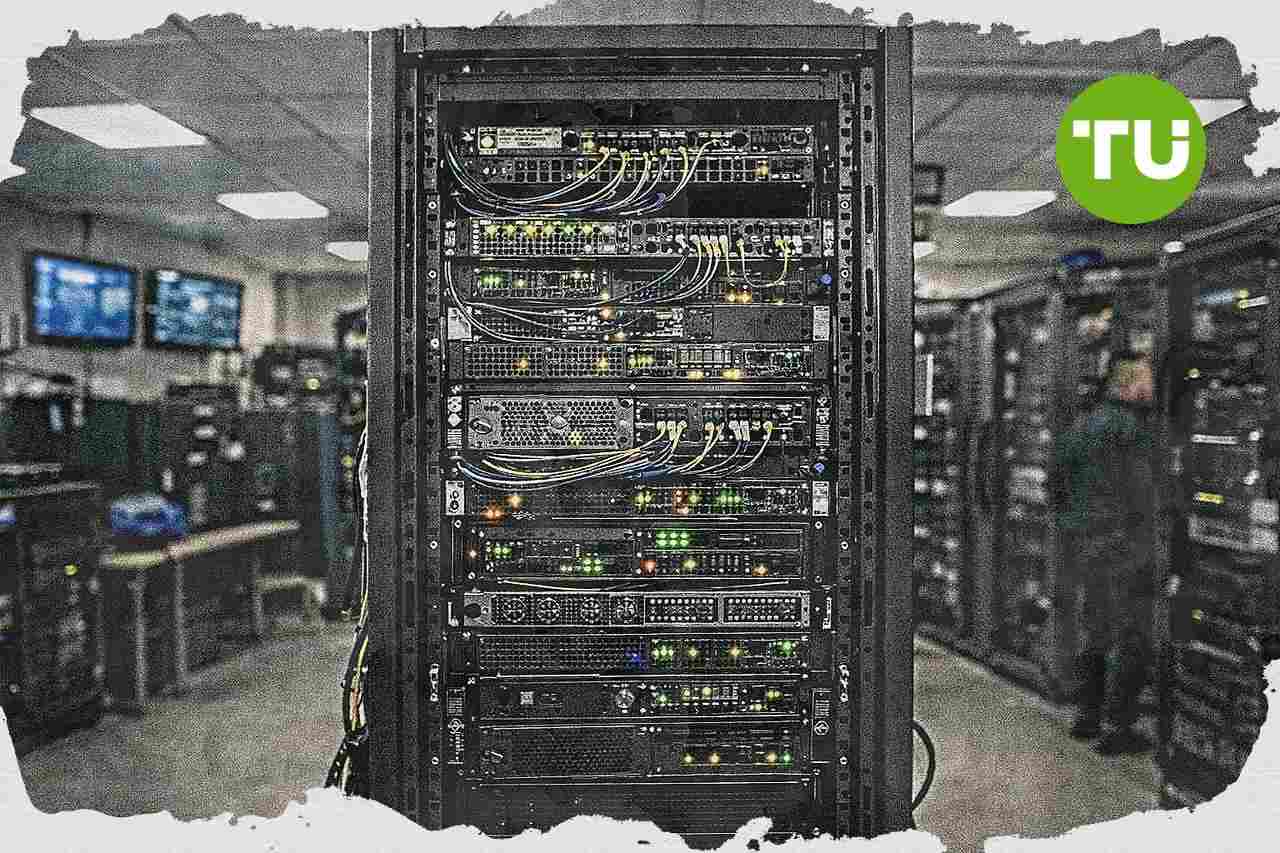
Britain and the European Union are rolling out their first joint cyber sanctions package as Western governments step up pressure on Russian-linked digital and disinformation operations across Europe. The measures cover 24 individuals and entities, including figures tied to Russian intelligence, cybercrime networks and a media company accused of spreading anti-Ukraine narratives and interfering in elections.
Highlights
- UK and EU jointly sanctioned 24 Russian-linked individuals and entities, including GRU leadership and cybercriminal proxies, for cyber-attacks, disinformation, and election interference.
- The sanctions follow attribution of a failed Russian FSB Centre 16 cyberattack on Poland's energy grid, which could have cut power to 500,000 residents and highlighted infrastructure risk.
- The measures target actors behind malware like Lumma Stealer—linked to at least 2,100 UK victims in six months—bringing total UK Russia-related sanctions to over 3,400.
Sanctions package targets cyber proxies
As reported by GOV.UK, the UK is sanctioning Russian state-linked actors and cybercriminal proxies that it says are responsible for cyber-attacks, election interference and anti-Ukraine disinformation campaigns across Europe.The package targets 24 individuals and entities involved in cyber and hybrid operations, including people linked to Russian Intelligence Services. Among those named are GRU senior leadership figures Vyacheslav Stafeyev, Ivan Senin and Ivan Kasyanenko, who the UK says direct GRU cyber and hybrid threat operations.
The measures also cover GRU Unit 29155's cyber division, which the UK says works with cybercriminals, including IMPULS, to recruit hackers and cyber specialists from universities and academies across Russia. In parallel, the UK is sanctioning individuals tied to Lumma Stealer, malware that enables cybercriminals to harvest sensitive information from compromised devices at scale.
Foreign Secretary Yvette Cooper says the sanctions are aimed at the core networks supporting Russian state aggression and are intended to show that Moscow cannot shield itself behind proxy groups. The UK also says Russia has used credentials stolen through Lumma Stealer in cyber espionage operations against targets around the world in support of Kremlin objectives.
European security and business risks in focus
The UK and EU member states are also attributing an attack on Poland's energy grid to Russia's FSB Centre 16. British authorities say the attack failed, but could have left 500,000 citizens without electricity in winter, underscoring the potential economic and security risks posed by cyber operations against critical infrastructure.British officials argue that, as Russia struggles to sustain its war effort in Ukraine, Russian intelligence agencies are tasking cybercriminals with gathering intelligence that supports military and foreign policy goals. That assessment frames the sanctions as part of a broader effort to curb the use of criminal networks for state-directed activity across Europe.
The package further targets 10 individuals behind Rybar LLC, including directors, senior management and content designers. The UK says the company is backed by the Russian state and is involved in spreading false narratives about Ukraine and interfering in elections in countries including Moldova and Armenia.
According to the National Crime Agency, there have been at least 2,100 Lumma Stealer victims in the UK over the last six months. The government says the latest measures are designed to limit direct harm to British businesses while adding to the more than 3,400 sanctions targets the UK has imposed in connection with Russia's war effort.
Europe’s record purchases of LNG from Russia’s Yamal LNG project in H1 2026 highlighted how EU buyers were still absorbing nearly all of the plant’s output ahead of tighter restrictions. Our earlier article noted that France, Belgium and Spain led the imports, while shipments to Asia fell sharply amid shipping, insurance and sanctions-related concerns. The piece also outlined the EU timetable toward a broader ban on long-term Russian LNG imports from January 1, 2027, underscoring how sanctions policy is reshaping trade flows and raising compliance risks for buyers.


Latest General Dynamics Corporation News





-
 Afghanistan
-
 Albania
-
 Algeria
-
 Angola
-
 Argentina
-
 Armenia
-
 Australia
-
 Austria
-
 Azerbaijan
-
 Bahamas
-
 Bahrain
-
 Bangladesh
-
 Belarus
-
 Belgium
-
 Bolivia
-
 Botswana
-
 Brazil
-
 Brunei
-
 Bulgaria
-
 Cambodia
-
 Cameroon
-
 Canada
-
 Chile
Chile
-
 China
China
-
 Colombia
-
 Congo
Congo
-
 Costa Rica
-
 Cote d'Ivoire
-
 Croatia
-
 Cuba
Cuba
-
 Cyprus
-
 Czechia
-
 DR Congo
-
 Denmark
-
 Dominican Republic
-
 Ecuador
-
 Egypt
Egypt
-
 El Salvador
-
 Estonia
-
 Eswatini
-
 Ethiopia
-
 Finland
-
 France
-
 Georgia
-
 Germany
-
 Ghana
Ghana
-
 Greece
-
 Haiti
Haiti
-
 Hong Kong
-
 Hungary
-
 India
India
-
 Indonesia
-
 Iran, Islamic republic
-
 Iraq
Iraq
-
 Ireland
-
 Israel
-
 Italy
Italy
-
 Jamaica
-
 Japan
Japan
-
 Jordan
-
 Kazakhstan
-
 Kenya
Kenya
-
 Korea
Korea
-
 Kuwait
-
 Kyrgyzstan
-
 Laos
Laos
-
 Latvia
-
 Lebanon
-
 Lesotho
-
 Libya
Libya
-
 Lithuania
-
 Luxembourg
-
 Madagascar
-
 Malaysia
-
 Malta
Malta
-
 Mauritius
-
 Mexico
-
 Moldova
-
 Mongolia
-
 Montenegro
-
 Morocco
-
 Mozambique
-
 Myanmar
-
 Namibia
-
 Nepal
Nepal
-
 Netherlands
-
 New Zealand
-
 Nigeria
-
 North Macedonia
-
 Norway
-
 Oman
Oman
-
 Pakistan
-
 Palestine
-
 Panama
-
 Papua New Guinea
-
 Paraguay
-
 Peru
Peru
-
 Philippines
-
 Poland
-
 Portugal
-
 Puerto Rico
-
 Qatar
Qatar
-
 Reunion
-
 Romania
-
 Rwanda
-
 Saudi Arabia
-
 Serbia
-
 Singapore
-
 Slovakia
-
 Slovenia
-
 Somalia
-
 South Africa
-
 Spain
Spain
-
 Sri Lanka
-
 Sweden
-
 Switzerland
-
 Syria
Syria
-
 Taiwan
-
 Tajikistan
-
 Tanzania
-
 Thailand
-
 Trinidad and Tobago
-
 Tunisia
-
 Turkey
-
 UAE
UAE
-
 Uganda
-
 Ukraine
-
 United Kingdom
-
United States
-
 Uruguay
-
 Uzbekistan
-
 Venezuela
-
 Vietnam
-
 Yemen
Yemen
-
 Zambia
-
 Zimbabwe
- Forex
- Crypto











